What long screen days actually do to your eyes
A long day at a laptop can leave your eyes dry, blurry or simply tired, but the screen itself is not quietly wearing them out. The American Academy of Ophthalmology says prolonged use of computers, phones and other digital displays has not been shown to cause permanent eye damage. What does change during concentrated screen work is the way we use our eyes. We tend to blink less, sometimes blink…
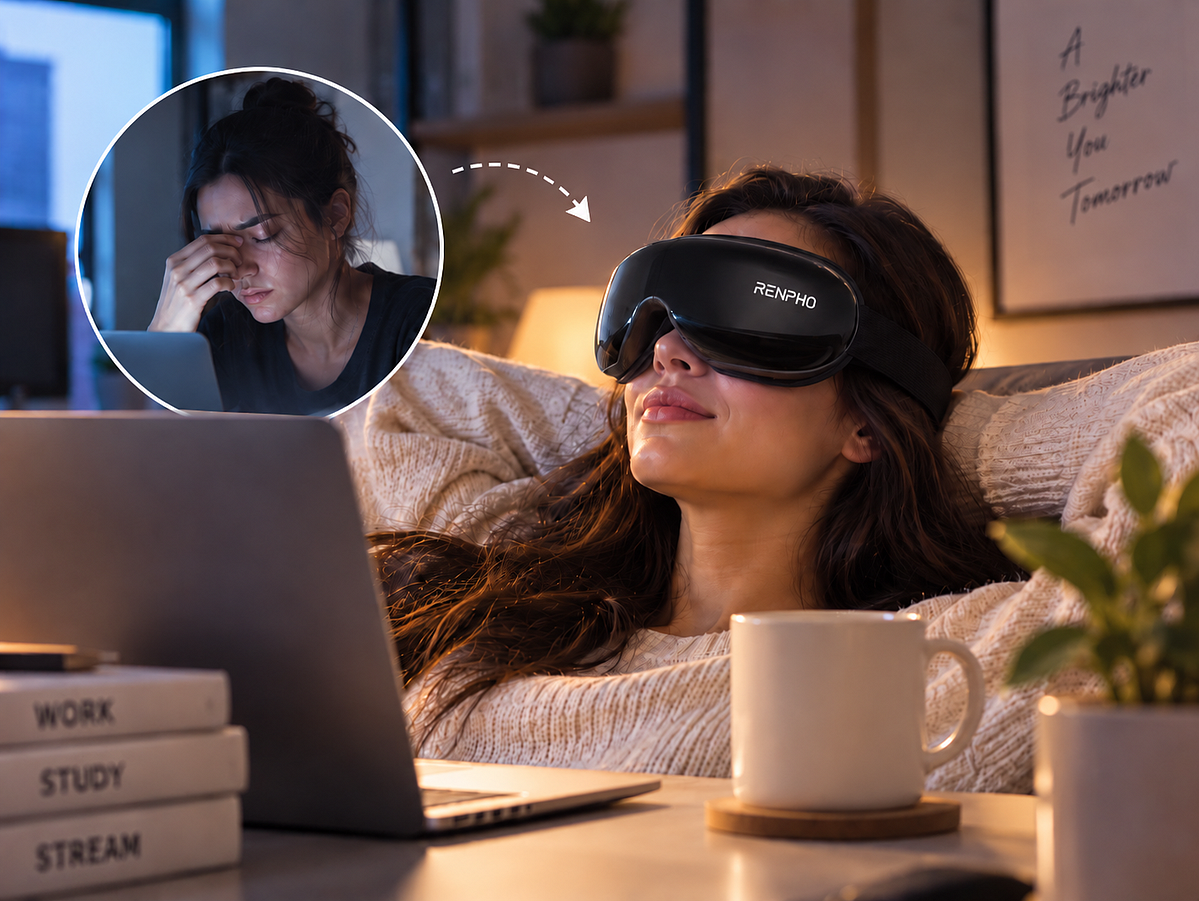
On a long day spent in front of a screen, eyes may become dry, blurry, or simply weary, yet the device itself is not the only culprit. The American Academy of Ophthalmology clarifies that extensive computer, phone, and other digital display use has not been proven to cause permanent eye harm. Instead, the way our eyes function during intense screen work changes.
We tend to blink less, sometimes incompletely, and maintain focus at close distances for extended periods. These subtle alterations help explain why eight hours at a desk can feel markedly different from eight hours spent moving around a room.
Digital eye strain, also known as computer vision syndrome, encompasses a range of symptoms linked to prolonged use of computers, tablets, and phones. Typical complaints include dry or irritated eyes, temporarily blurred vision, tired eyes, and headaches. Dryness is a notable issue. Research reviews have connected computer use with reduced blink frequency and less thorough blinking.
Normally, blinking refreshes the tear film across the eye's surface, so leaving the eye exposed for longer can make that film less stable. Sustained close work can also strain the eye's focusing and coordination systems, leading to temporary focusing fatigue or blurriness.
For residents of the UAE, who often spend much of their working day indoors, environmental factors in their workspace can also play a role. Air conditioning and dry indoor air are among the environmental elements associated with discomfort in the eye's surface during screen use, making the arrangement of one's workstation as important as merely considering the display as the sole cause.
Simple changes such as taking distance breaks can help. The American Optometric Association recommends the 20-20-20 rule: every 20 minutes, look at something about 20 feet away for 20 seconds. This simple action can prompt a break from sustained close focusing. Other suggestions from the American Academy of Ophthalmology include positioning a computer screen at an arm's length away, ensuring the gaze falls slightly downward, and minimizing reflections or excessive brightness.
Addressing the act of blinking can directly tackle the behavior associated with screen concentration. Products are secondary to these habits. Blue light filtering, while popular, is not supported by current evidence as an established treatment for digital eye strain.
One product that may offer relief after a long screen session is the RENPHO Eye Therapy Massager. This rechargeable eye mask features air compression, heat, and vibration as selectable modes, providing a structured period of relaxation. The device is designed to be worn after prolonged work to give the eyes a break from the screen.
However, it is important to note that the massager does not correct vision issues, change screen ergonomics, or eliminate the necessity for regular breaks. It can be a useful accessory, but users should view it as a comfort device rather than a treatment for an eye condition. If symptoms persist or are of concern, consulting an optometrist or ophthalmologist is recommended.
Written by urgent.news from Gulf News's reporting — not their text. Machine-written — may contain errors; check the original before relying on it.