‘Viksit Bharat depends on Viksit Rajya’: CEA calls for more private capital, higher state capex
Chief Economic Adviser V Anantha Nageswaran said India will need greater private-capital participation to finance its development ambitions towards 2047, urging states to create an investment-friendly ecosystem and strengthen capital expenditure. At a two-day conference on financing Viksit Bharat, Nageswaran said, “Viksit Bharat depends on Viksit Rajya”, while discussions also focused on savings,…
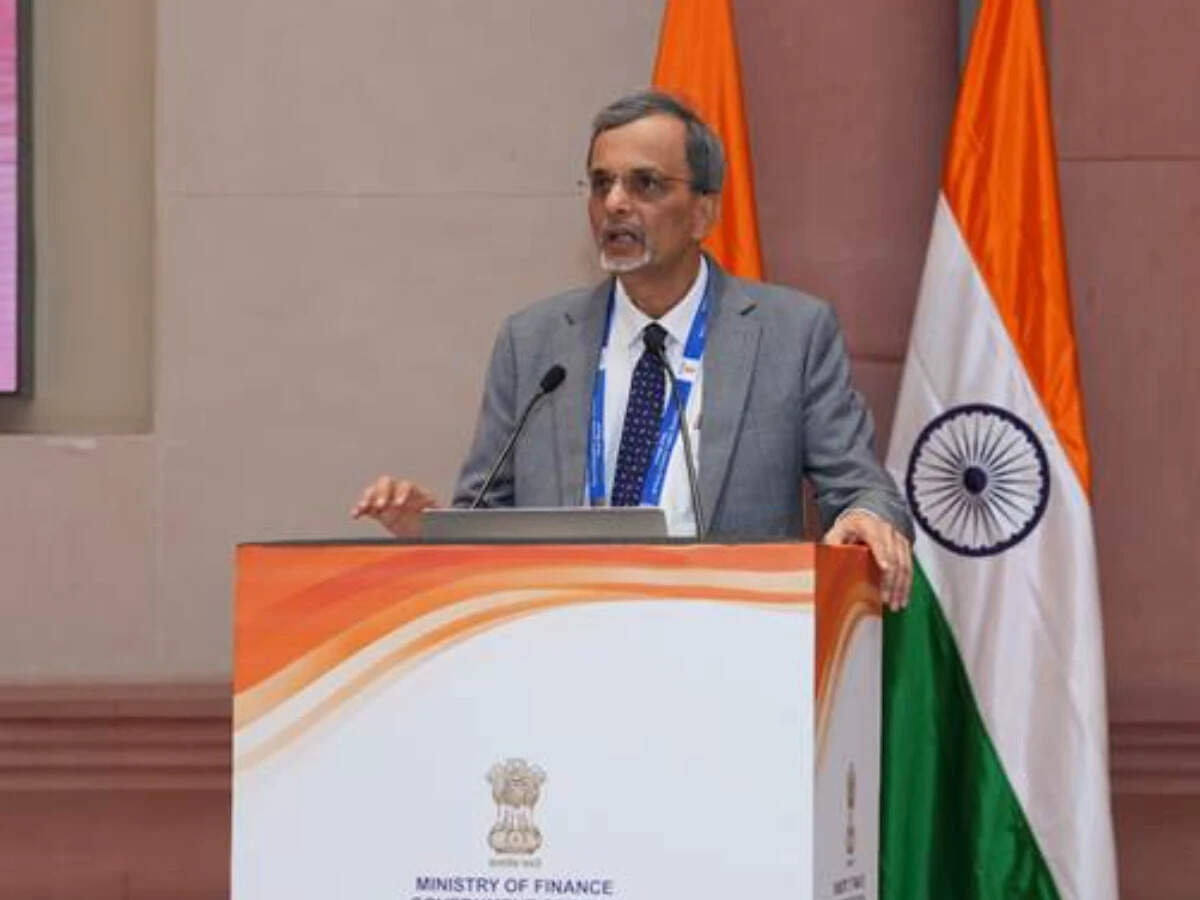
India's development aspirations until 2047 will require substantial private capital participation, according to Chief Economic Adviser V Anantha Nageswaran. Speaking at a conference in New Delhi, Nageswaran emphasized that India's Viksit Bharat cannot be achieved without Viksit Rajya, or prosperous states. He called on states to create conducive environments for private investment while simultaneously maintaining their capital expenditure.
The conference brought together various stakeholders to discuss how India can finance sustained and inclusive growth over the next two decades. Nageswaran highlighted three priorities for states: fostering an enabling environment for private investment, improving the quality of investment proposals, and strengthening capital expenditure despite fiscal constraints.
States are urged to address critical factors such as land availability, power supply, and logistics infrastructure, which can be facilitated through single-window clearances. Additionally, they should develop project-preparation pipelines and provide credible project reports to attract domestic and multilateral financing. Furthermore, states should prioritize credit allocation to underserved and growth potential districts.
Former Maharashtra additional chief secretary Sudhir Shrivastava proposed raising state capital outlay from 2.4% of GDP to 3% by 2031-32. Nageswaran also called for converting conference discussions into partnerships with defined responsibilities and timelines. The conference emphasized the need to increase domestic savings, with N K Singh, chairman of the 15th Finance Commission, suggesting a rise in India's gross domestic savings rate from around 34% to 38-40% of GDP.
The discussions during the conference covered various sectors, including agriculture, energy, and technology. Agriculture-related topics included reliable agricultural financing, market access, post-harvest marketing, logistics, infrastructure, and financial instruments to support the sector's growth. The energy session focused on renewable energy and transmission assets, battery energy storage systems, pumped storage projects, and carbon capture, utilization, and storage.
Special sessions explored the role of new-age technologies in India's development and the measurement of Viksit Bharat's progress using the gross state domestic product (GSDP) perspective.
Written by urgent.news from The Economic Times - Economy's reporting — not their text. Machine-written — may contain errors; check the original before relying on it.
This story
This is one outlet's version. Read the fullest account.
- Uday Kotak lays out 7 priorities for Viksit Bharat, warns against economic complacency economictimes.indiatimes.com