Thirty young seabirds left an island, all heading to the same sea hotspot
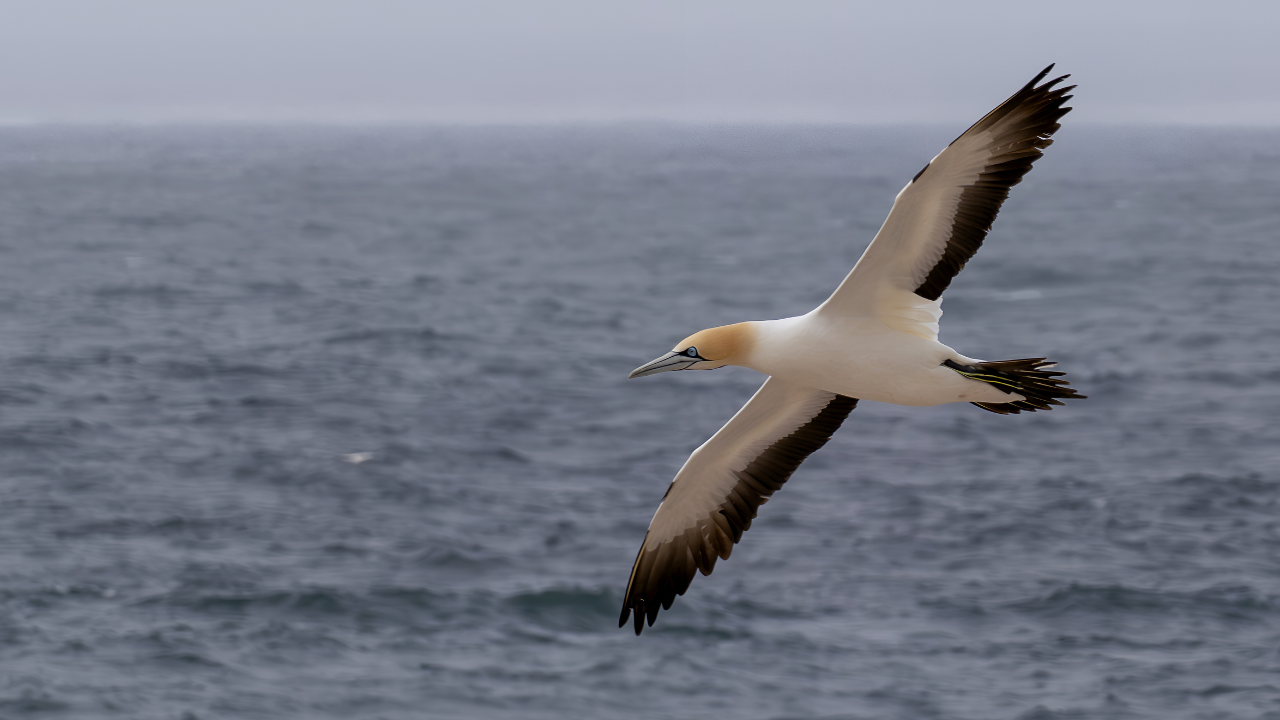
Thirty young Sable Shearwater chicks set off from Lord Howe Island to embark on their maiden voyage, venturing beyond the confines of their nests for the very first time. Researchers at Adrift Lab affixed solar-powered GPS devices to thirty of these fledglings as they prepared to depart in 2022 and 2024, monitoring where their inaugural journey would lead them.
The findings, published in the journal Animal Biotelemetry under the title 'Post-fledging migration of Sable Shearwaters (Ardenna carneipes) identifies the Solomon Sea as a potential conservation priority,' revealed an unexpected destination for these young birds - the Solomon Sea.
Within just two weeks of leaving Lord Howe Island, the tagged Sable Shearwaters had traversed an average distance of nearly 1,000 kilometres, with one bird covering a staggering 1,200 kilometres in a single day. Subsequently, in the third week, every bird arrived in the Solomon Sea and remained there, moving only short distances east to west, sometimes for extended periods.
This discovery marked the first evidence that fledgling Sable Shearwaters converge on the Solomon Sea so rapidly and consistently, indicating the significance of this region for young birds during one of the most perilous stages of their lives.
The Solomon Sea, an oceanographic anomaly, is characterized by strong currents traversing a labyrinth of islands and straits, which draw nutrients from the deep and enrich the surface waters. This region boasts a global prominence for nitrogen fixation and supports an array of coral, reef fish, and seagrass diversity, rivaling the highest levels worldwide.
Despite its ecological significance, the Solomon Sea has been largely overlooked in seabird research and is not included in the West Pacific Ocean Flyway, likely due to infrequent surveys passing through at the appropriate season, leaving juvenile birds largely undocumented in conservation efforts.
However, the researchers faced challenges in tracking these newly fledged seabirds. Nearly a third of the tags deployed in 2022 ceased transmitting within the first two weeks, some faltering after only a few fixes, while three others were defective prior to the birds even embarking on their journey. A separate malfunction meant the accelerometer data, crucial for detecting mortality, was not transmitted properly, leaving the researchers unable to ascertain whether many silent tags had failed or whether the birds had perished.
For the 2024 deployment, the team upgraded to loggers with seven times the battery capacity, aiming to maintain longer transmission durations.
Despite the imperfect dataset, the birds that did transmit provided a consistent, coherent narrative across two separate years, a repetition the researchers viewed as a robust signal. Among the study's participants, three-quarters had ingested plastic, with some carrying as much as 20 grams of it, and the survival rate of Sable Shearwaters to breeding age is already notably lower than in closely related species.
Coupled with nearly a third of tags going silent within days of fledging, the researchers suggest that the missing tracks may reflect early mortality within this population, a known issue, rather than being attributed to simple equipment failures, a trend they intend to continue monitoring.
Written by urgent.news from Times of India's reporting — not their text. Machine-written — may contain errors; check the original before relying on it.