The economy has undergone a structural transformation that ended the low-cost era. ‘The regime change in inflation and interest rates is the outcome’
The shift, in many ways, returns the economy to where it was before the financial crisis in December 2007 that lasted through June 2009.
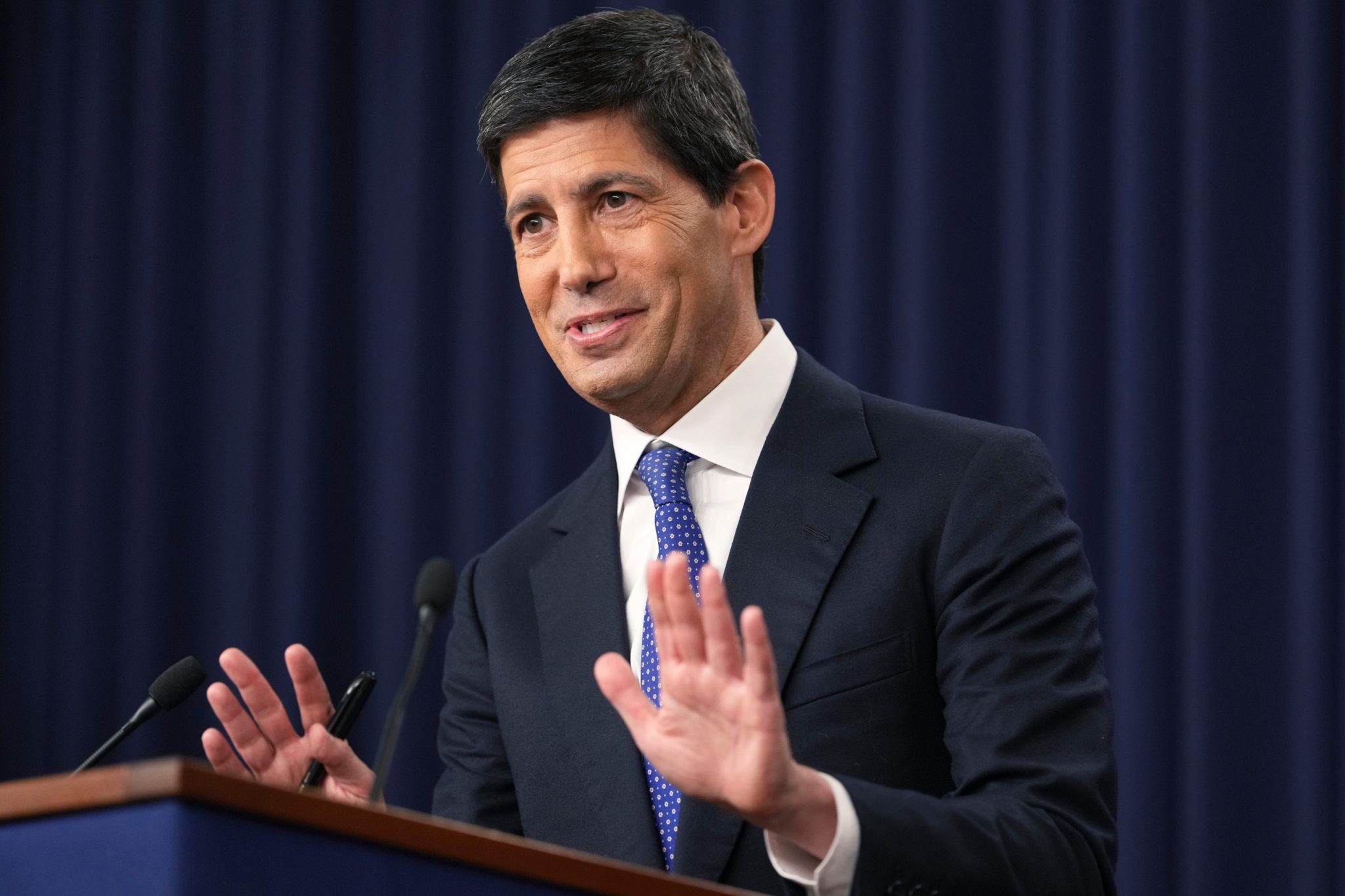
President Donald Trump has reiterated his criticism of the Federal Reserve after it recently increased its benchmark interest rate, but experts suggest that the Fed's actions are less significant compared to larger economic trends when it comes to persistent borrowing costs. Despite facing various shocks, the economy appears to be expanding and possibly even gaining momentum, while inflation remains elevated.
Major technology firms are also accumulating substantial amounts of funds to invest in data center construction, and the federal government is still experiencing large annual budget deficits. These factors collectively imply that interest rates will likely rise, regardless of the Federal Reserve's decisions. Consequently, the era of low-interest rates and low inflation, which lasted for nearly two decades following the Great Recession, has come to an end, and a higher-cost, higher-rate environment is now prevailing.
Mortgage rates dropped to the 3% range during the 2010s and even lower during the COVID-19 pandemic, but such rates are now a distant memory. The average 30-year mortgage rate reached 6.95% last week, the highest in over a year and a half.
Joe Brusuelas, chief economist at RSM, a tax consulting firm, attributes the shift primarily to a departure from the pre-pandemic economy, characterized by weak consumer and business demand, to the present economy, where robust consumer and business spending collides with supply shortages and bottlenecks. Factors such as higher oil and gas prices due to the Iran war, as well as a shortage of computer chips, electronic equipment, and workers necessary to assemble AI-related infrastructure, have contributed to the change.
Brusuelas emphasizes that this represents a "structural transformation of the economy," and the resulting rise in inflation and interest rates is the "regime change" that has occurred.
Written by urgent.news from Fortune's reporting — not their text. Machine-written — may contain errors; check the original before relying on it.