The Best Way to Discard Frying Oil? Don’t
An expert explains how to prepare used oil for a future cooking again.
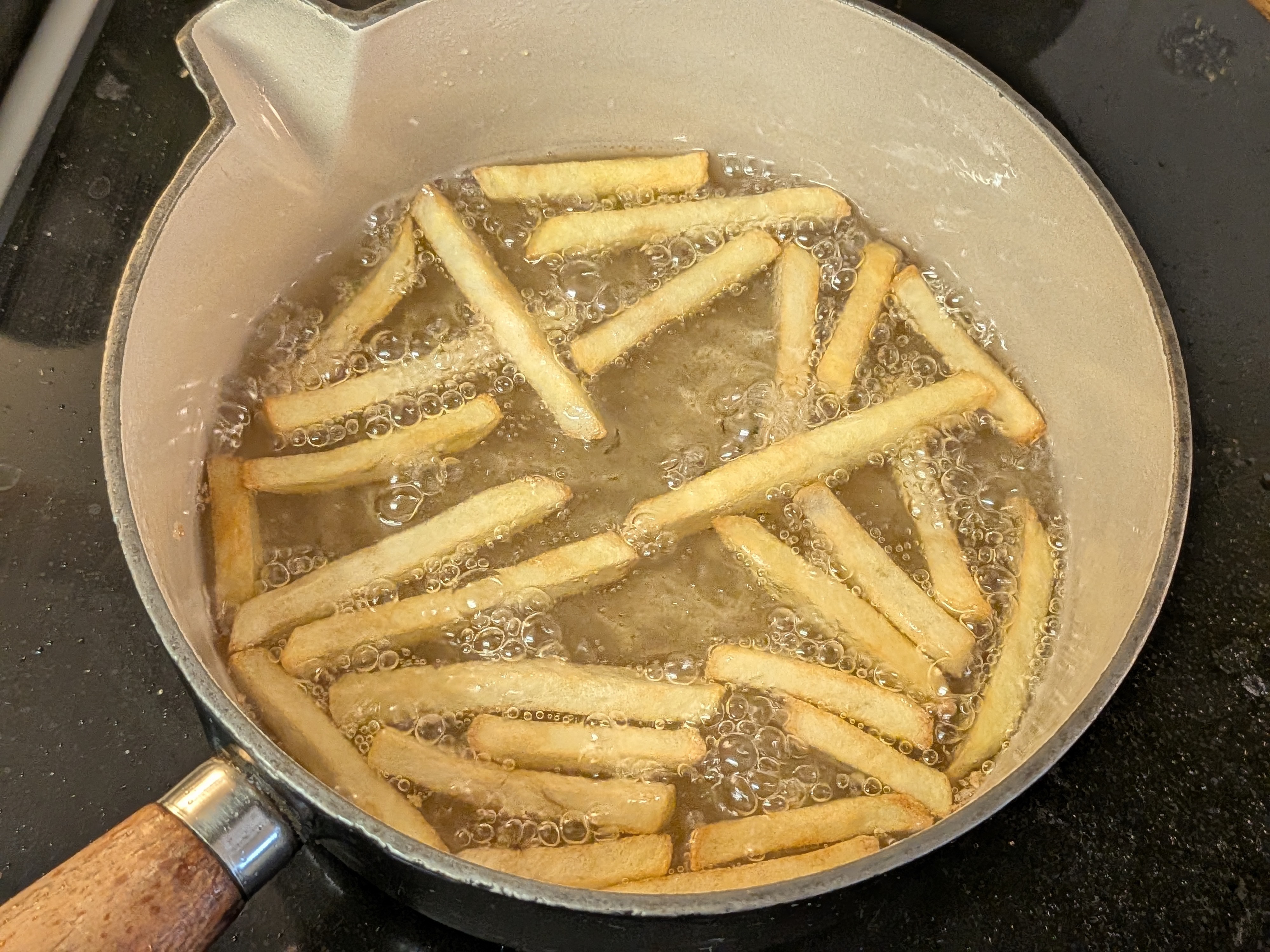
Deep-fried foods like donuts and drumsticks are popular, but the fate of leftover frying oil is often debated. A common misconception is that pouring oil down the sink is the only solution, yet this can lead to clogged drains and environmental harm. Instead, culinary expert Melanie Underwood suggests that frying oil can be reused multiple times provided certain precautions are taken.
She emphasizes the importance of selecting the right oil with a high smoke point, such as canola, peanut, or sunflower oil, as olive oil can be tricky due to its lower smoke point. Using a thermometer is crucial to maintain a consistent frying temperature between 350 to 400 degrees Fahrenheit, which helps prevent smoking and burning.
Skimming off any food debris during and after frying also helps maintain oil quality. Once cooled, the oil can be strained using a fine mesh strainer, cheesecloth, or coffee filter. While some small particles may remain, they settle when stored. The strained oil should be transferred to a clean, dry container, sealed tightly, and stored away from heat and light.
For future use, note that reused oil might carry allergens, so labeling and dating it is advised. Underwood warns against mixing vastly different foods in the same oil, suggesting it's better to keep savory and sweet dishes separate. Finally, she notes that while oil can often be used two to three times, it's best to stop using it when it starts to degrade in quality or aroma.
Reusing frying oil not only saves money but also reduces environmental impact by minimizing the need for new oil production, packaging, and transportation.
Written by urgent.news from CNET's reporting — not their text. Machine-written — may contain errors; check the original before relying on it.