Textile sector: A power-market reform must deliver competitive system: stakeholders
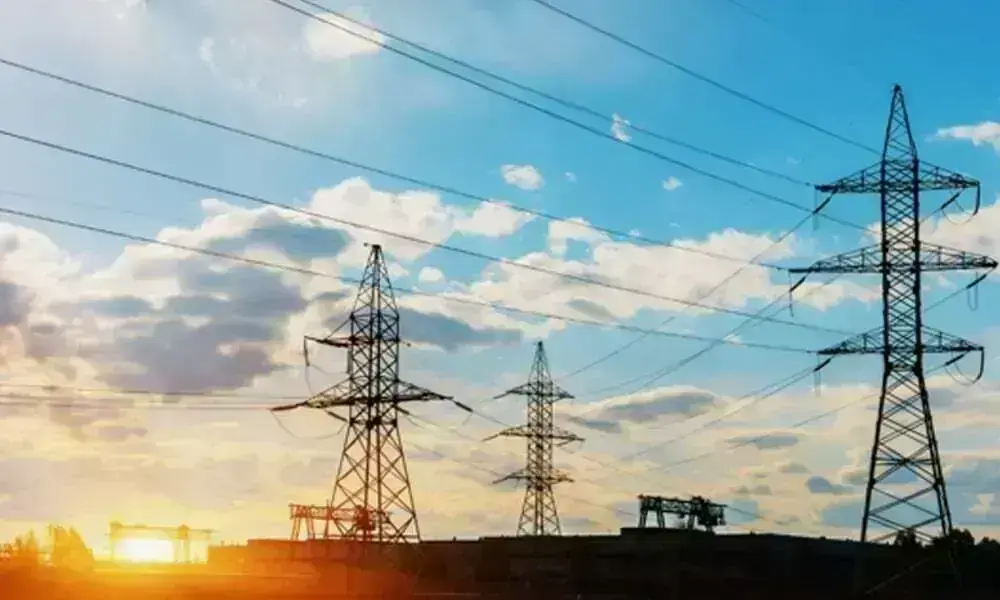
FAISALABAD: Pakis-tan’s power-market reforms must translate into a commercially viable, reliable and transparent energy system if the country’s export-oriented textile sector is to remain competitive while meeting growing demands for energy efficiency, renewable-energy integration and industrial decarbonisation. Stakeholders expressed these views during a dialogue titled “Threads of…
The text discusses a dialogue organized by Alternate Development Services (ADS) which brought together stakeholders from the textile sector, power sector professionals, sustainability and verification specialists, business representatives, and renewable energy stakeholders. The discussions focused on the implications of Pakistan's changing power market and energy transition for the export-oriented textile industry, with particular attention given to competitive electricity procurement, energy security, ESG compliance, traceability, and decarbonisation.
The event also introduced the Shared Transition Responsibility Movement (STRM), which emphasizes the need for manufacturers, brands, and financiers to share the financial and technical burden of industrial decarbonisation. The dialogue highlighted the importance of energy efficiency, process optimisation, and waste-heat recovery as the foundation for industrial decarbonisation, followed by renewable energy, electrification, and storage where commercially appropriate.
The participants concluded that opening the power market alone is not sufficient for a successful transition; instead, reforms must provide industry with reliable, transparent, and economically viable energy solutions.
Brief written by urgent.news from Business Recorder's own syndicated text. Machine-written — may contain errors; check the original before relying on it.