Teurer Sprit: Neuer Tankrabatt ab Oktober – Kritik an fehlendem Sparanreiz
Die Neuauflage des Tankrabatts soll Autofahrer kurzfristig entlasten, stößt aber auf Kritik. Verbraucherschützer und Sozialverbände fordern gezieltere Maßnahmen für Haushalte mit geringem Einkommen.
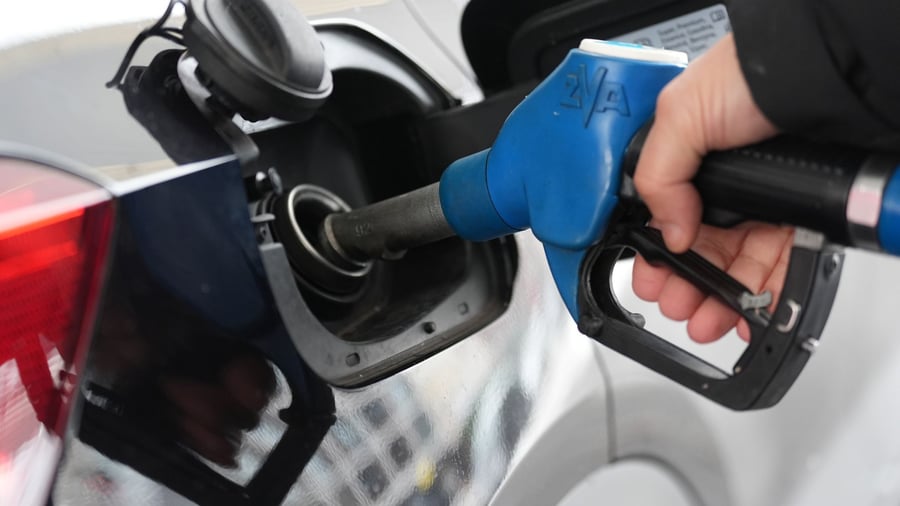
The EU and German states have agreed on a bailout package to counter the high fuel prices, but the newly planned tank rebate has received a lot of criticism. Critics, including environmental groups and social organizations, argue that the price reduction does not encourage people to save fuel, does not help the environment, and does not affect the high profits of oil companies.
They even call it a cynical decision. Veronika Grimm, an economist, said this decision is subsidizing the use of cars with internal combustion engines at the expense of future generations. By using "opportunistic politics," the politicians aim not to anger voters, but ultimately it only leads to frustration among voters who do not see their jobs being taken care of.
Because the policy is focused on the short term, it "doesn't have the power to implement the really important structural reforms," says Grimm. This may mean more loss of wealth for citizens compared to temporarily higher fuel prices. Fuel price ceiling is only temporary The EU and German states have agreed to give citizens and businesses a new tank rebate from October 1st to December 31st.
This relief will come from reducing the energy tax on gasoline and diesel by 14 cents per liter. Combined with the sales tax, this amounts to a relief of nearly 17 cents per liter. The EU and the states will spend about 2.5 billion euros on this. In addition to the tank rebate, a fuel price ceiling is also planned by January 2027, but as a crisis measure and not permanently.
Consumer protection Ramona Pop criticized the federal government for again using the firehose. "It's expensive, short-sighted, and not targeted precisely enough," said the head of the Consumer Central Federal Association of the Rheinischen Post. What is needed are relief measures that primarily reach households with small and medium incomes and take into account the heating period.
The social association SoVD welcomed the federal government's action, but said the tank rebate is not the right solution. Instead, a fuel price ceiling is a useful measure. Greenpeace: Reduce dependency on oil Greenpeace expert Marissa Reiserer calls the rebate a "useless rebate." Instead of wasting tax money with the firehose, the real problem must be addressed: reducing the dependency on oil.
For the Green party in the Bundestag, the tank rebate is "just another expensive gift to the oil companies," said co-fraction leader Katharina Dröge. She called for an excess profit tax and demanded that the oil multinationals stop robbing the country through subsidies at the gas pumps. The Greens demanded that the oil companies' predatory practices be stopped once and for all.
Only an excess profit tax would hit the problem at its roots. Wagenknecht for a price ceiling of 1.50 euros per liter The founder of the BSW Sahra Wagenknecht called the 17 cent relief a joke: "Not 17 cents, but a euro relief would be appropriate. The BSW demands a fuel price ceiling of 1.50 euros. This would be feasible because more than half of the fuel price consists of taxes and fees."
FDP Chairman Wolfgang Kubicki sees the planned fuel price ceiling as a "business planning instrument." "Chancellor Friedrich Merz has once again caved in to Finance Minister Lars Klingbeil," said Kubicki to dpa in Berlin. Tank rebate followed by price ceiling From May to June, a tank rebate for gasoline and diesel was already in effect with a similar relief.
The federal government aims to implement the new tank rebate at the beginning of October. Finance Minister Lars Klingbeil (SPD) said at a press conference in Dublin that the reduction should come as soon as possible. Regarding the fuel price ceiling, the federal government plans to regularly discuss the issue with the oil industry and introduce a non-permanent, crisis-based fuel price ceiling as early as possible but no later than January 1, 2027.
The oil industry showed it was ready to talk, but warned that if the price ceiling is set too low, it could endanger the supply security. Further targeted measures possible The federal government will continue to closely monitor the price development and possible economic consequences of the relief. Based on this, targeted measures for the crisis-affected citizens and businesses will be launched as early as 2027, if necessary. The federal government will also ensure that the state money goes directly to the citizens.
Written by urgent.news from Handelsblatt's reporting — not their text. Machine-written — may contain errors; check the original before relying on it.