State-level conclave to discuss strategy to address human-wildlife conflict: Minister
Experts from Veterinary University, Kerala Agricultural University, Indian Council of Agricultural Research, Wildlife Institute of India, and Kerala Forest Research Institute, besides farmers, will participate in the discussions
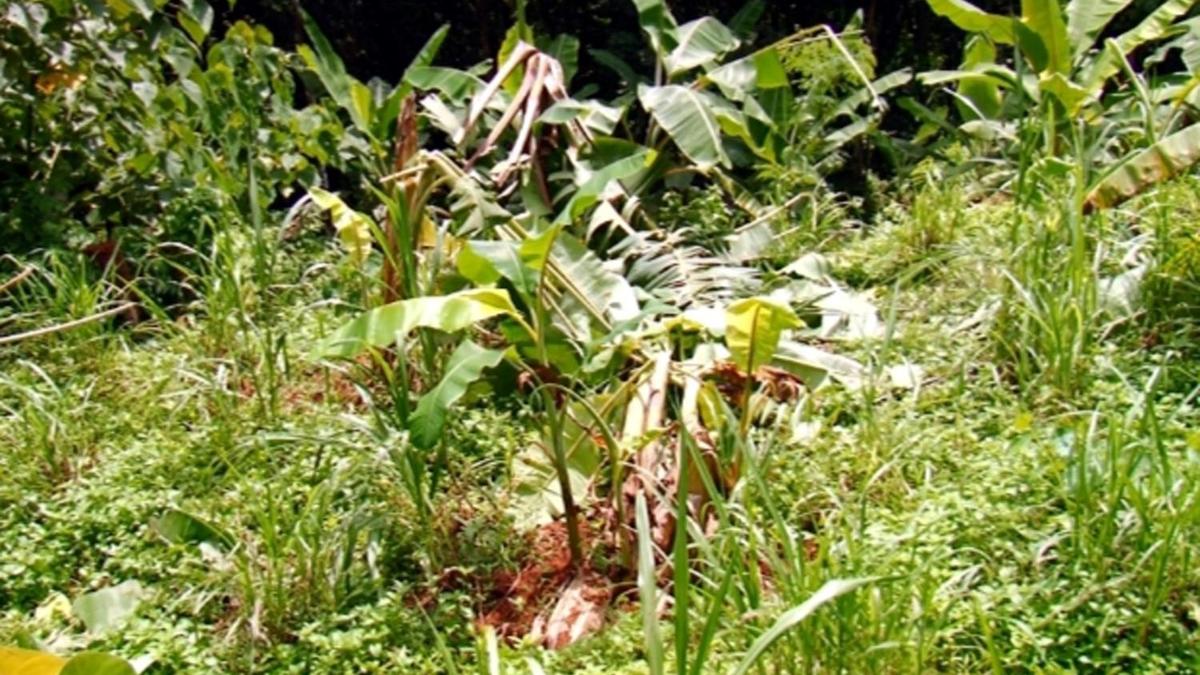
A state-level conclave will be held in Thiruvambady on September 29 to devise scientific and practical solutions for wildlife attacks on farmers in Kerala's hill areas, announced Agriculture Minister T. Siddique on September 20. Organized by the Agriculture department in collaboration with the Forest department as part of the government's 100-day action plan, the conclave will feature experts from universities, wildlife institutes, agri-tech firms, and farmers.
The government aims to employ AI, bio-fencing, technology-based barriers, and traditional methods to safeguard agricultural land from wildlife intrusions. Siddique emphasized using the term "wildlife attack prevention" instead of "human-wildlife conflict" due to the predominantly one-sided nature of the attacks. The recommendations from the conclave will be implemented as pilot projects across the state.
Climate change has severely impacted Kerala's agricultural sector, with soaring temperatures, droughts, intense monsoon rains, cloudbursts, and landslides affecting crop yields. The Agriculture department is collaborating with Kerala Agricultural University and Amrita University to develop climate-resilient farming practices and varieties.
A long-term resilience roadmap is being prepared jointly with the Irrigation department and the Kerala State Disaster Management Authority. The state has requested special financial aid from the central government to address emergencies and crop losses due to climate change. The compensation for wildlife attacks is being increased, and pending payments are being addressed.
The government is also accelerating the distribution of disaster management fund arrears and modifying insurance coverage to maximize benefits for affected farmers.
Written by urgent.news from The Hindu's reporting — not their text. Machine-written — may contain errors; check the original before relying on it.