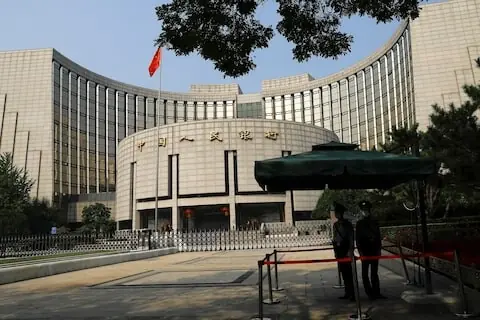
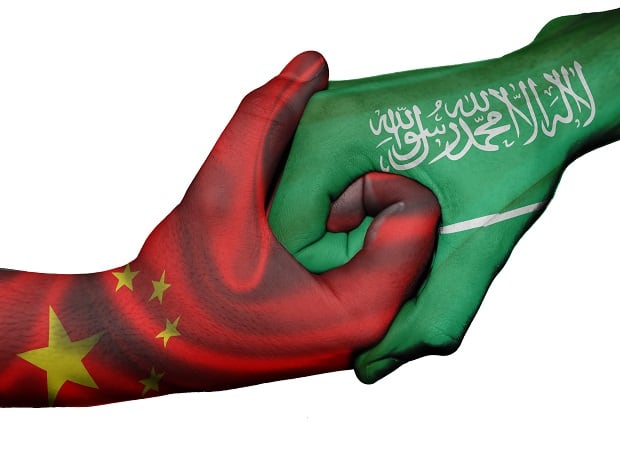
Saudi Arabia exits China-backed mBridge cross-border currency platform
Saudi central bank says its participation ended after completing a planned proof of concept, amid scrutiny of cross-border payment systems that can reduce reliance on the dollar
The global oil market is currently reliant on Saudi Arabia's East-West pipeline, which has become a crucial relief valve for the world's largest crude exporter. This pipeline was designed to bypass the Strait of Hormuz, a key chokepoint in global oil trade, during times of disruption. However, the pipeline was damaged by drones launched from Iraq in mid-September, forcing Saudi Arabia to shut it down.
This has added to the challenges faced by the market as tensions escalate in the region, with Yemen's Houthi rebels stepping up their attacks on Saudi Arabia's energy assets. The interruption to flows through the East-West pipeline has caused fluctuations in oil prices, currently hovering around $100 a barrel. State-owned Saudi Aramco is working to repair the pipeline, aiming for it to reach about half capacity within days and full functionality in about six weeks.
Despite the setback, the pipeline remains an essential component of Saudi Arabia's oil supply strategy, providing an alternative route for its crude exports and helping to mitigate the impact of Hormuz blockages.
Written by urgent.news from The Business Times - Companies & Markets's reporting — not their text. Machine-written — may contain errors; check the original before relying on it.
This story
This is one outlet's version. Read the fullest account.
- Why the global oil market hinges on Saudi Arabia’s East-West pipeline businesstimes.com.sg