'Rusty treasure' find revealed as Europe's largest assemblage of prehistoric iron bars
Analysis of a "rusty treasure" excavated during industrial gravel extraction at Deinham, Austria, reveals it is the largest mass find of prehistoric iron bars in Europe, pointing to iron production and trade during the Iron Age on an unprecedented scale.

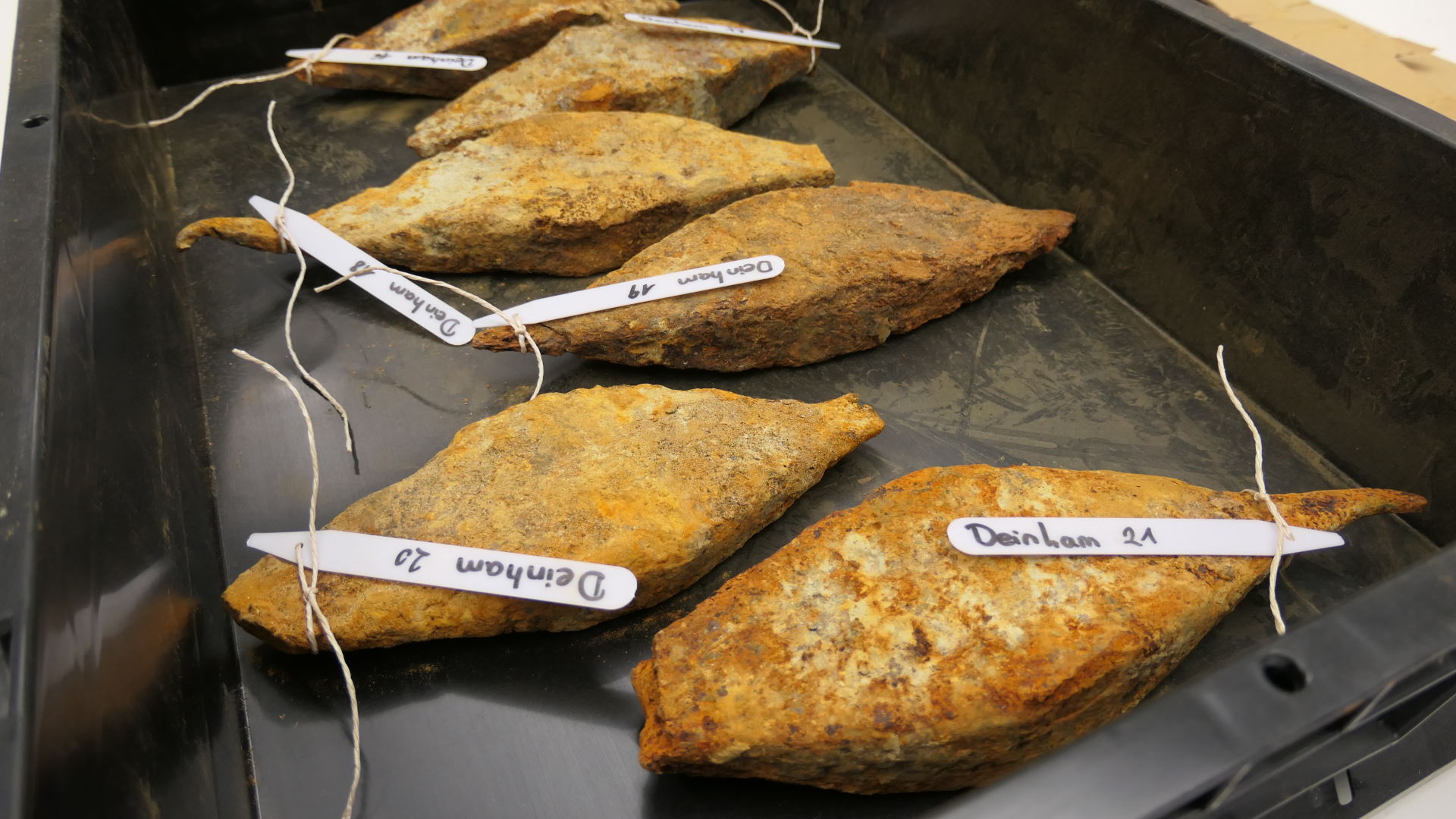
Two millennia ago, a ship carrying iron sank in the Danube River in Austria. Archaeologists discovered the rusted treasure of 500 iron bars, the largest collection of ancient iron ever found in Europe. These bars could equip an entire army or produce 8,000 iron nails. The discovery was made in 2019 when workers found some unusual iron objects while extracting gravel near the village of Deinham.
An archaeologist at the University of Innsbruck, Peter Trebsche, stated that it's a minor miracle that the largest mass find of prehistoric iron bars in Europe didn't end up as scrap metal. The ancient iron bars, dating from the third to second centuries B.C., were discovered in a gravel pit by archaeological divers. The complete bars were 11.2 inches (28.5 cm) long and weighed around 4.5 pounds (2 kg), with a total weight of about 2,200 pounds (1 metric ton).
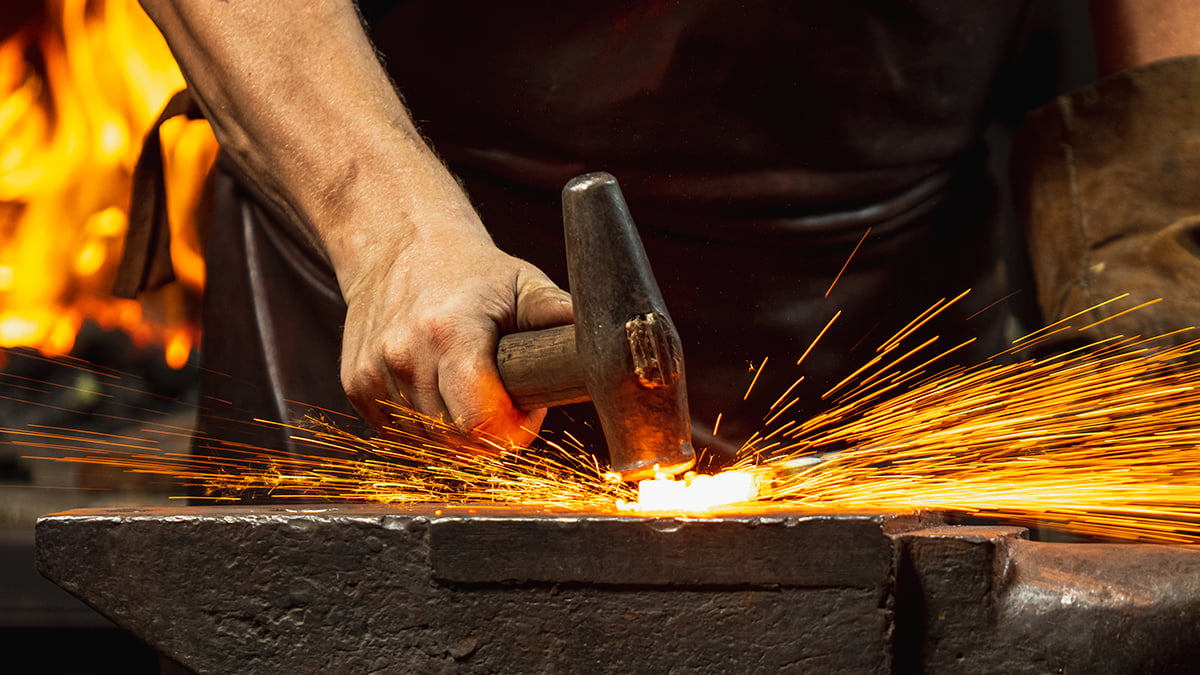
These semifinished bars were not finished products but would have been forged into weapons or other items by blacksmiths. The iron may have been lost during transport, possibly due to a shipwreck. Researchers are analyzing traces of elements in the bars to determine their geographical origin.
Written by urgent.news from Live Science's reporting — not their text. Machine-written — may contain errors; check the original before relying on it.
This story
This is one outlet's version. Read the fullest account.