Pledges, timed visits and taxes: The strategies diverting tourists from hotspots
Tourist destinations around the world are trying out various strategies to manage the environmental and social impacts that caused by visitors.
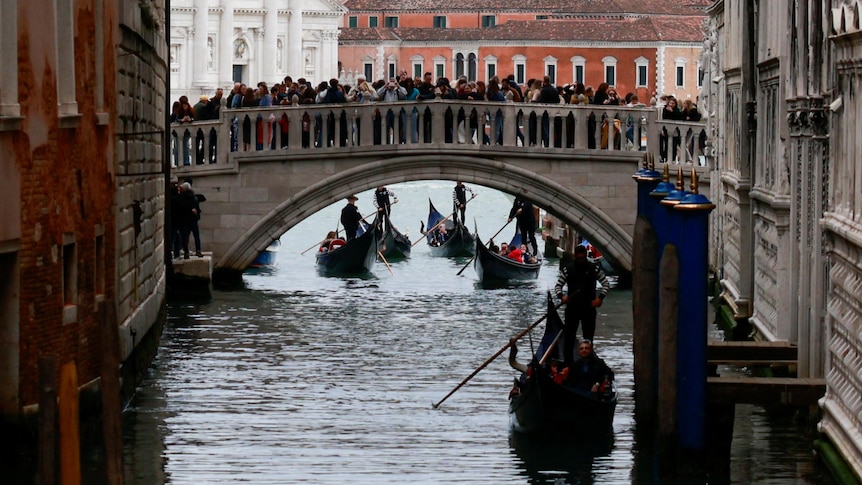
Tourism brings economic benefits to destinations, but has also led to issues such as overcrowding, loss of amenities and increased housing costs for locals. Many popular destinations, including Amsterdam, Barcelona, Venice, Japan and Bali, have implemented various strategies to manage tourism and mitigate negative impacts on residents.
Amsterdam, for example, has halted the promotion of tourist-focused marketing and aims to create a visitor economy that benefits the city while respecting residents and preserving its cultural and social fabric. Barcelona has banned short-term rentals like Airbnb to make the city more affordable for locals, while Venice has restricted large cruise ships from entering its historic center.
Japan has increased tourist taxes, and Bali has introduced a tourist tax with the aim of conserving ecology and culture, offsetting environmental damage caused by tourism. Despite the effectiveness of some measures, such as the cruise ship ban in Venice, the effectiveness of tourist taxes is debated, as they do not always address the root causes of the issues created by tourism.
Written by urgent.news from ABC News AU's reporting — not their text. Machine-written — may contain errors; check the original before relying on it.