Philippe Halsman fled Paris in 1940 with nothing but his camera and 12 prints. After his death, his grandson found the glass plates he left behind – and they offer a fascinating glimpse into the genesis of a photography legend
Thames & Hudson's new book reveals how Philippe Halsman developed his eye as a working photographer.
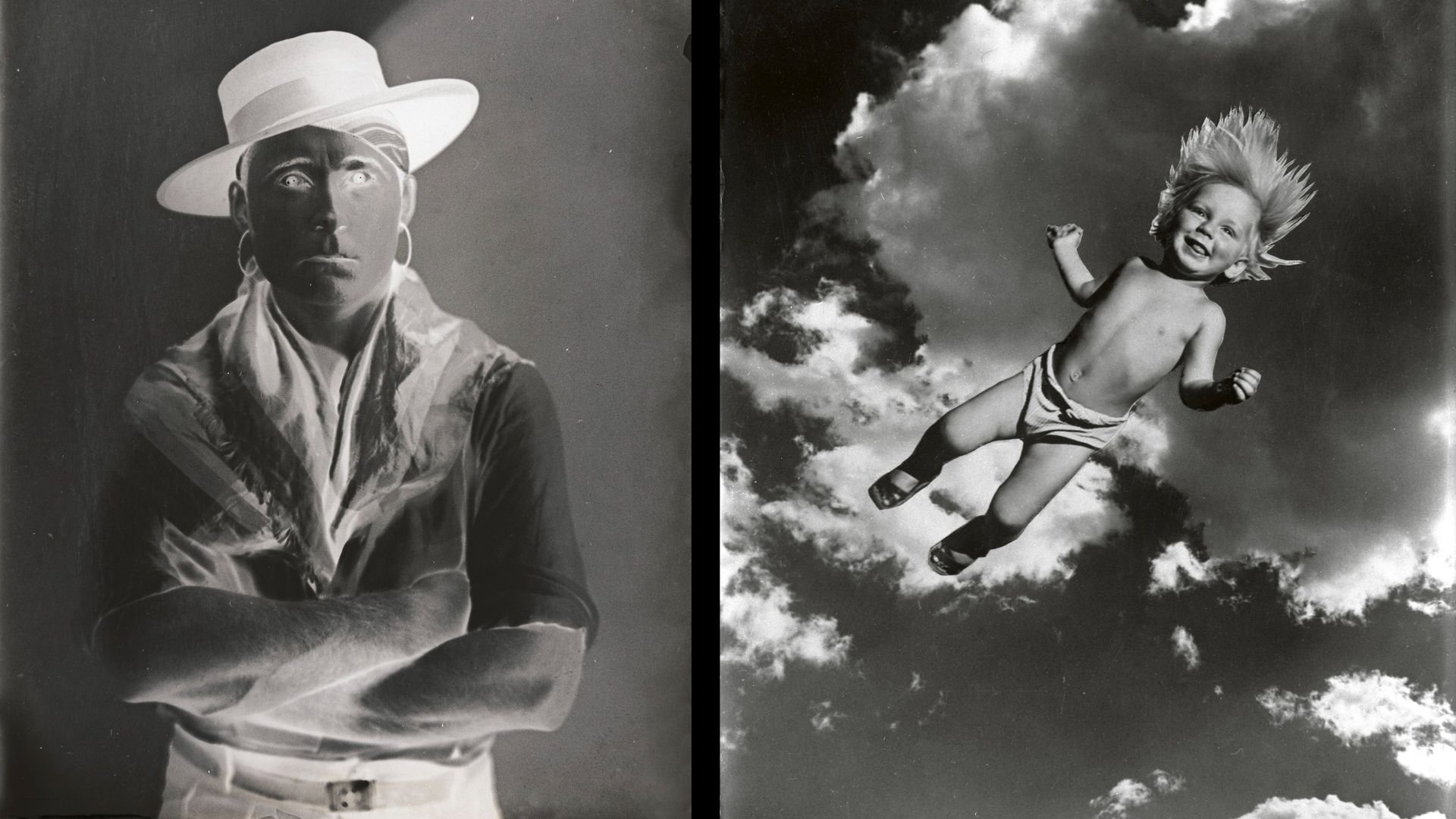
In 1940, renowned photographer Philippe Halsman fled Paris with only his camera and 12 prints as German forces invaded France. Born in Riga, Latvia, Halsman had previously been wrongfully accused of killing his father in Austria and spent two years in prison. After fleeing Paris, he established himself as one of the most celebrated portrait photographers of the 20th century in New York, most famous for his images of celebrities in mid-air jumps, including Salvador Dali, Marilyn Monroe, Groucho Marx, and the Duke and Duchess of Windsor.
However, the photographs Halsman made during his early years in Paris were presumed lost until his grandson, Oliver Halsman Rosenberg, discovered a crate of glass-plate negatives after his death in 1979. These neglected images have now been showcased in a new book titled "Philippe Halsman: The French Crate" by Thames & Hudson. The book offers a unique glimpse into the formative years of a photography legend, revealing Halsman's innovative approach long before his later successes.
Halsman's photographic journey began when he dropped out of engineering school in 1931 to pursue photography full-time. His early work primarily consisted of portraits, but he demonstrated an exceptional eye for asymmetry and unguarded expressions even within the structured poses of studio photography. Moreover, Halsman was ahead of his time in experimenting with double exposure techniques, layering subjects beneath fabric or veils, creating a striking effect where the exposures overlapped.
Despite these remarkable innovations, the gap between Halsman's early work and his later career is significant. It wasn't until he relocated to New York in 1940, with the help of Albert Einstein, that Halsman began photographing iconic figures like Marilyn Monroe, Einstein, and Salvador Dali, as well as creating a record-breaking 101 covers for Life magazine.
However, these early Parisian images lay the groundwork for his future achievements, showcasing a young photographer testing ideas, exploring psychology, and playing with innovative techniques. "Philippe Halsman: The French Crate" provides a rare opportunity to witness the evolution of a photography legend in its earliest stages, published on October 1, 2021, for $50 / £35.
Written by urgent.news from Digital Camera World's reporting — not their text. Machine-written — may contain errors; check the original before relying on it.
This story
This is one outlet's version. Read the fullest account.