Obsessing about being a good person can backfire. There’s a better way.
Editor’s note, September 20, 8 am ET: We’re bringing you some of our best-loved Your Mileage May Vary columns while Sigal Samuel is on parental leave. The one below was originally published last September. This unconventional advice column offers you a unique framework for thinking through moral dilemmas. It’s based on value pluralism: the idea that each of […]
Dear Reader,
I have a question about Yom Kippur and my struggle with scrupulosity. This holiday encourages introspection and making amends, but I find myself constantly worrying about my morality and if I'm making the most possible good. Fixating on ethical implications paralyzes me, and I worry that avoiding guilt will lead to moral complacency. How can I approach this holiday differently and stop feeling guilty for letting guilt get in my way?
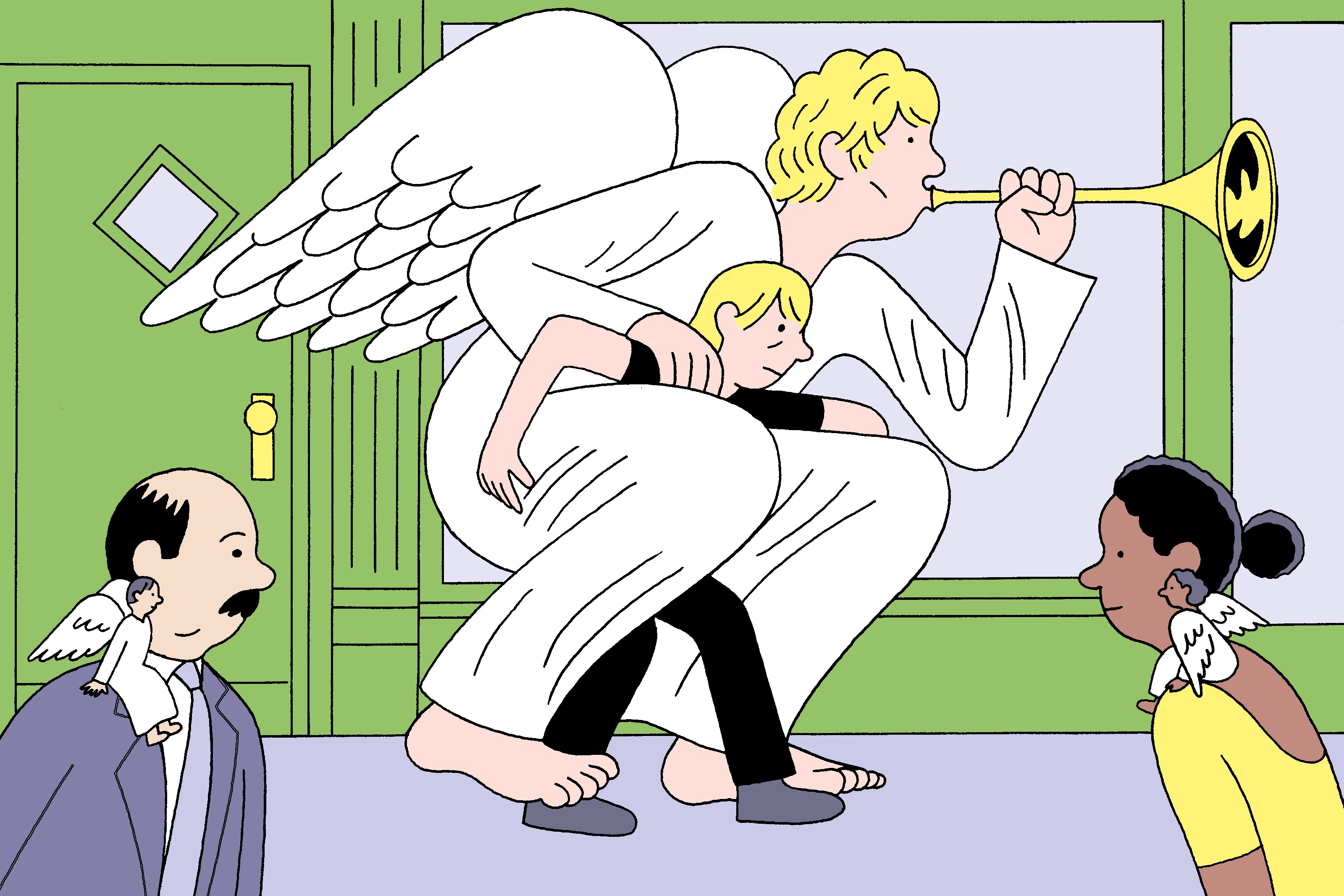
I found a story in the ancient rabbis' teachings that offers insight. When God decided to give the Bible to humans, angels argued that only angels were worthy of such a holy scripture. Moses rebuked them, asking what emotions could lead angels to commit sins like murder, adultery, or theft since they have no emotions. He pointed out that angels are perfect but static, unable to experience challenges, grow, or make choices that add beauty to the world.
Humans, on the other hand, are imperfect but capable of learning to use their capabilities in more beautiful ways.
The story suggests that being human is about embracing our flaws, vulnerabilities, and imperfections rather than striving to be perfect. The word for "sin" in Hebrew (lachto) means "to miss the mark," which is a more realistic and compassionate perspective. We'll inevitably miss the mark, just like an arrow can't always hit the bullseye. This realization can help us feel safer and more accepting of our human nature.
So, for Yom Kippur, I propose approaching it as an opportunity to reflect on our values and strive to live in line with them as best we can, rather than obsessing over the idea of doing "the most possible good." When we inevitably fall short, we should acknowledge our missed marks without self-criticism or guilt. Instead, we can learn from our experiences and make amends where possible.
In summary, embrace your imperfect humanity, find balance in conflicting values, and accept that sometimes there may not be a single, knowably best decision. By doing so, you'll likely find more peace, fulfillment, and the ability to help others without burning out.
Have a question you'd like answered in the next Your Mileage May Vary column? Fill out this anonymous form. Newsletter subscribers will receive my column before anyone else and will have their questions prioritized for future editions. Sign up here!
Written by urgent.news from Vox's reporting — not their text. Machine-written — may contain errors; check the original before relying on it.