Nvidia CEO has a blunt message for Americans fearing AI
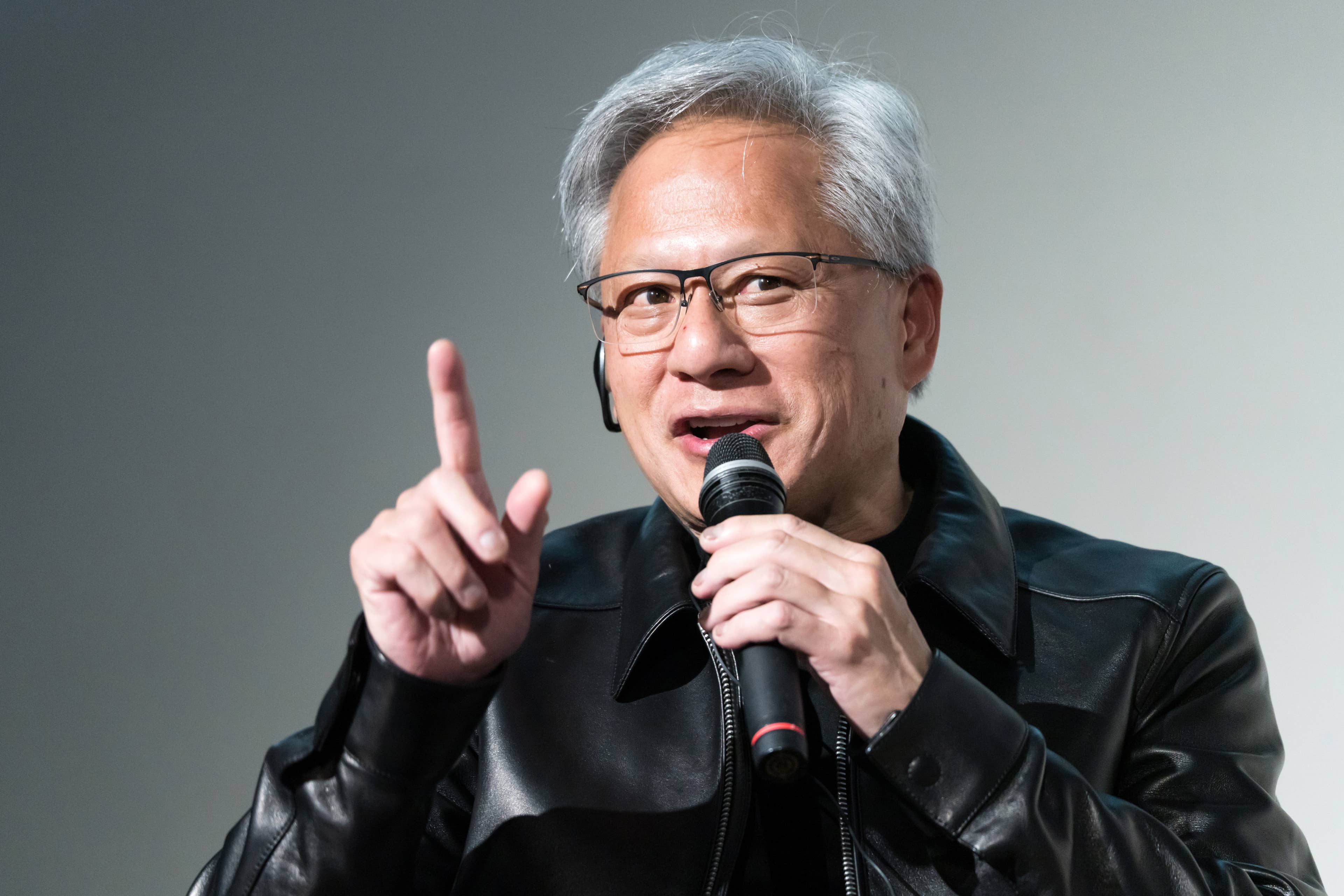
Nvidia's CEO, Jensen Huang, has dismissed concerns about AI leading to humanity's downfall, suggesting those predictions may serve ulterior motives. Speaking to CBS News, Huang questioned the motives behind the alarmist AI apocalypse debate, implying that the fear may be driven by political or attention-grabbing reasons. This stance adds to the growing industry split, with OpenAI, Anthropic, and Elon Musk advocating for a slower pace in AI development due to safety concerns.
For Nvidia investors, this debate carries financial weight, as shares have risen 20% year-to-date and 23% over six months. Huang's challenge extends beyond defending continued investment in the company's chip business; he believes the people predicting an AI apocalypse may have reasons beyond protecting the public. While Huang did not provide specific motives, he suggested the reasoning might be political, attention-grabbing, or something else entirely.
He emphasized that the end of the world by 2030 is not a possibility, leaving other potential risks, such as cyberattacks and disruptive failures, unaddressed. Huang's comments come as Nvidia has made a move that the market wasn't expecting, further solidifying his confidence in the company's future.
Written by urgent.news from Yahoo Finance's reporting — not their text. Machine-written — may contain errors; check the original before relying on it.