Italy moves to limit foreign pupils in classrooms, will Spain follow?
If you have children at school in Spain, you may soon find yourself watching what happens in Italy rather closely, […]
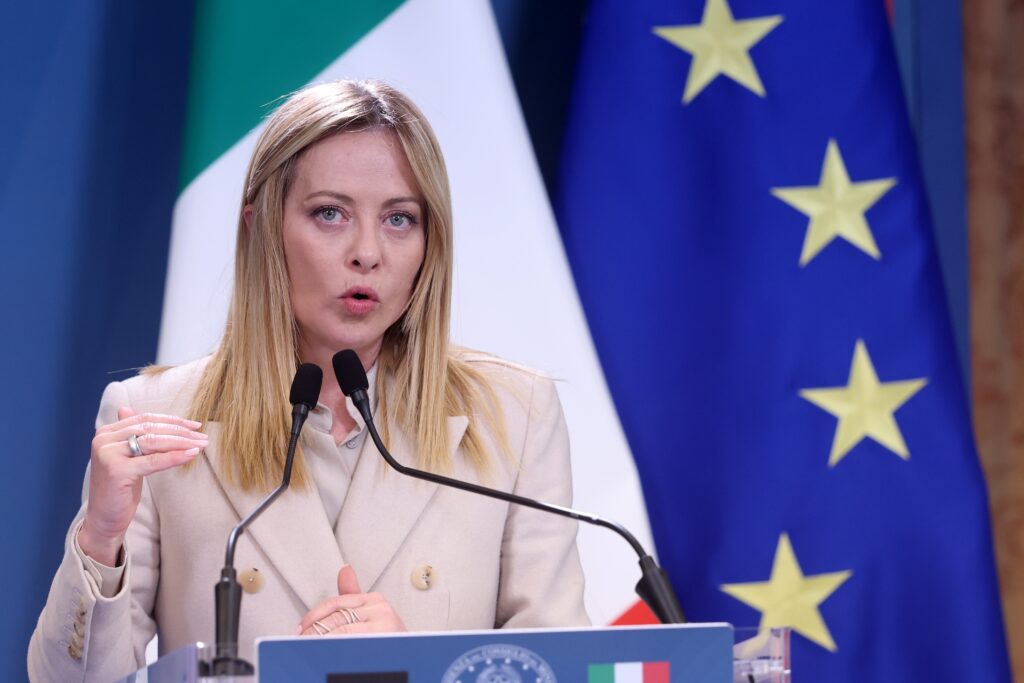
The Italian government is considering setting a legal cap on the number of foreign pupils allowed in each classroom, in an effort to ensure that Italian children do not become a minority in their own school. Prime Minister Giorgia Meloni announced this proposal on September 20, with the plans set to be discussed by the Council of Ministers soon.
The intention is to prevent foreign pupils from outnumbering Italian students, making it harder for Italian children to thrive in their school environment. Currently, Italy has a rule stipulating that no more than 30% of a class can be non-Italian nationals, but this guideline has not been consistently enforced. The proposed law aims to move integration issues from an administrative guideline to a legal requirement.
Meanwhile, in Spain, the government is focusing on a different approach by proposing to reduce the overall class sizes, with the aim of improving classroom dynamics. The proposed legislation would cap class sizes at 22 pupils in Primary education and 25 in compulsory secondary education, with implementation set for the 2027-28 school year, fully phased in by 2031-32.
Spain has a significant foreign-pupil population, with 1,125,860 foreign students enrolled in the non-university education system during the 2024-25 school year, representing 12.9% of all pupils. This figure varies across regions, with concentrations in the Balearic Islands (19%) and the Valencian Community (18.5%).
While Spain is not currently planning to introduce a specific maximum number of foreign pupils per class, similar to Italy's proposal, the Spanish legislation does not explicitly address this issue. The main Spanish proposal deals with total class size, irrespective of nationality. Therefore, the Italian proposal remains an announcement rather than an existing law. The eventual details of any Italian legislation will likely be crucial for parents, teachers, and schools to understand how it will be implemented in practice.
Written by urgent.news from Euro Weekly News's reporting — not their text. Machine-written — may contain errors; check the original before relying on it.