Indonesia’s haze returns as fire prevention gaps persist a decade after 2015
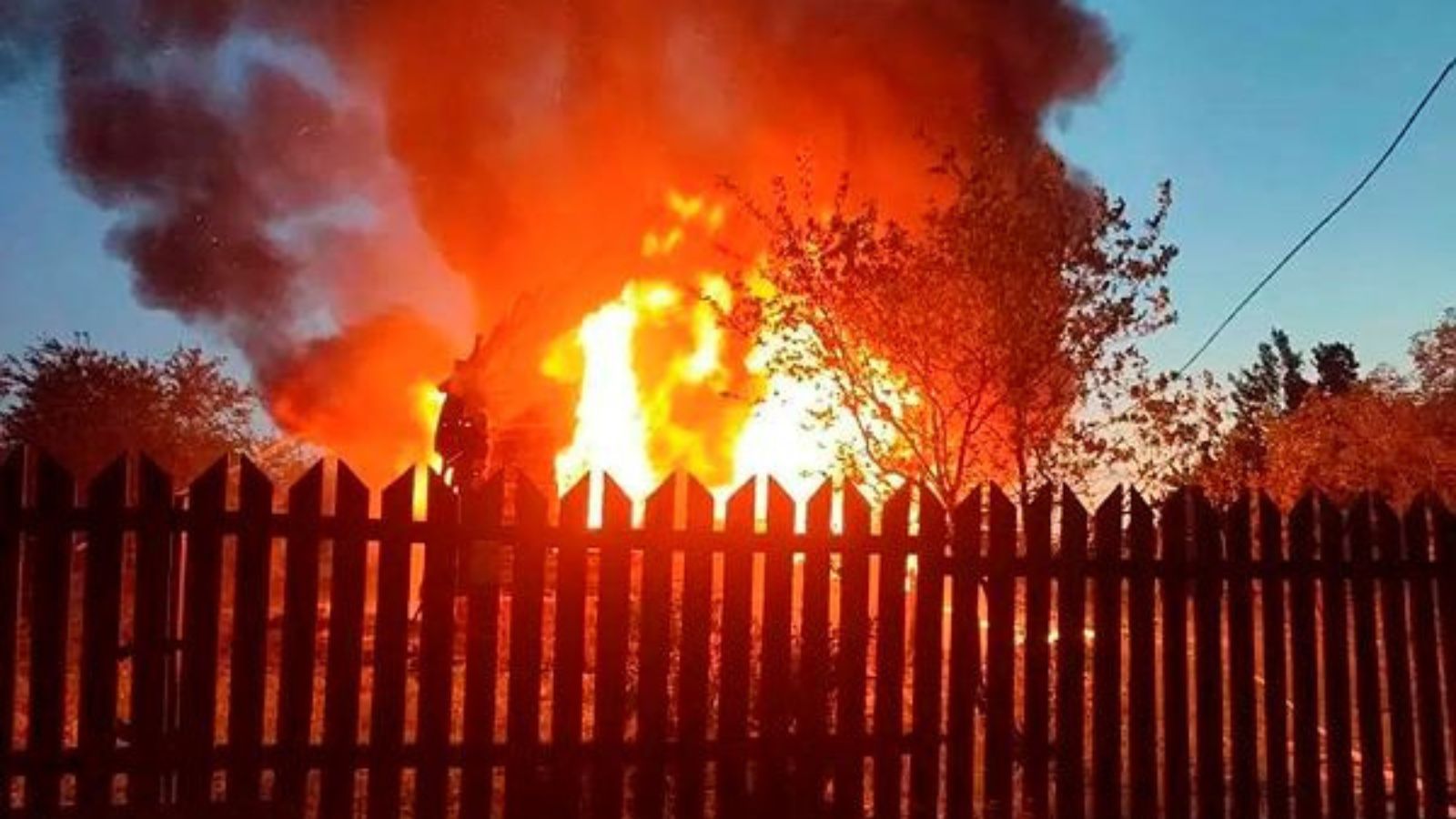
INDONESIA’S return of widespread forest and land fires in 2026 has exposed persistent weaknesses in fire prevention a decade after the country’s worst haze crisis, despite reforms that have helped keep the scale of burning below the levels recorded i...
Indonesia's 2026 forest and land fires have resurfaced, exposing ongoing challenges in fire prevention despite reforms following the country's worst haze crisis in 2015. According to the independent monitoring platform Nusantara Atlas, nearly 900,000 hectares had burned by late August, while the Health Ministry recorded 113,336 respiratory infections linked to wildfires, more than double the number reported on September 1.
The smoke from these fires has reached neighboring Singapore and Malaysia, reigniting concerns over a recurrence of the severe regional haze that followed the 2015 fires.
The current fire season remains significantly smaller than the 2015 and 2019 outbreaks, which saw 2.6 million hectares and 1.65 million hectares burned, respectively. This reduction can be attributed to measures taken after 2015, such as stricter enforcement, peatland restoration, and earlier fire detection. However, the 2026 fires have highlighted areas where these measures remain vulnerable, including the enduring economic allure of land clearing by fire, the emergence of hotspots in concessions, and the absence of a dedicated government agency for peatland restoration and monitoring.
The Forestry Minister, Raja Juli Antoni, stated that the wildfires could persist until early November, with the rainy season arriving later than initially predicted. In South Kalimantan, it is cheaper to clear land through burning than using excavators, with hiring an excavator costing about 1.25 million rupiah (S$90) to 1.5 million rupiah daily, clearing roughly one hectare per day.
Some believe burning enhances soil fertility, although established farmers typically use excavators or clear land manually. A 2021 World Bank study found that small-scale operators in Sumatra, Kalimantan, and Papua spent around 3.5 million rupiah per hectare clearing land with fire, compared to 4.6 million rupiah manually, 6.6 million rupiah using semi-mechanical methods, and 7.7 million rupiah mechanically.
Written by urgent.news from The Vibes's reporting — not their text. Machine-written — may contain errors; check the original before relying on it.