Urgent.News

What's breaking now, across thousands of outlets.

Tech

India should design and manufacture chips for everyday products: Vaishnaw

Electronics and IT ninister Ashwini Vaishnaw outlines the sheer breadth of chip-making prowess the country aims to build going forward.
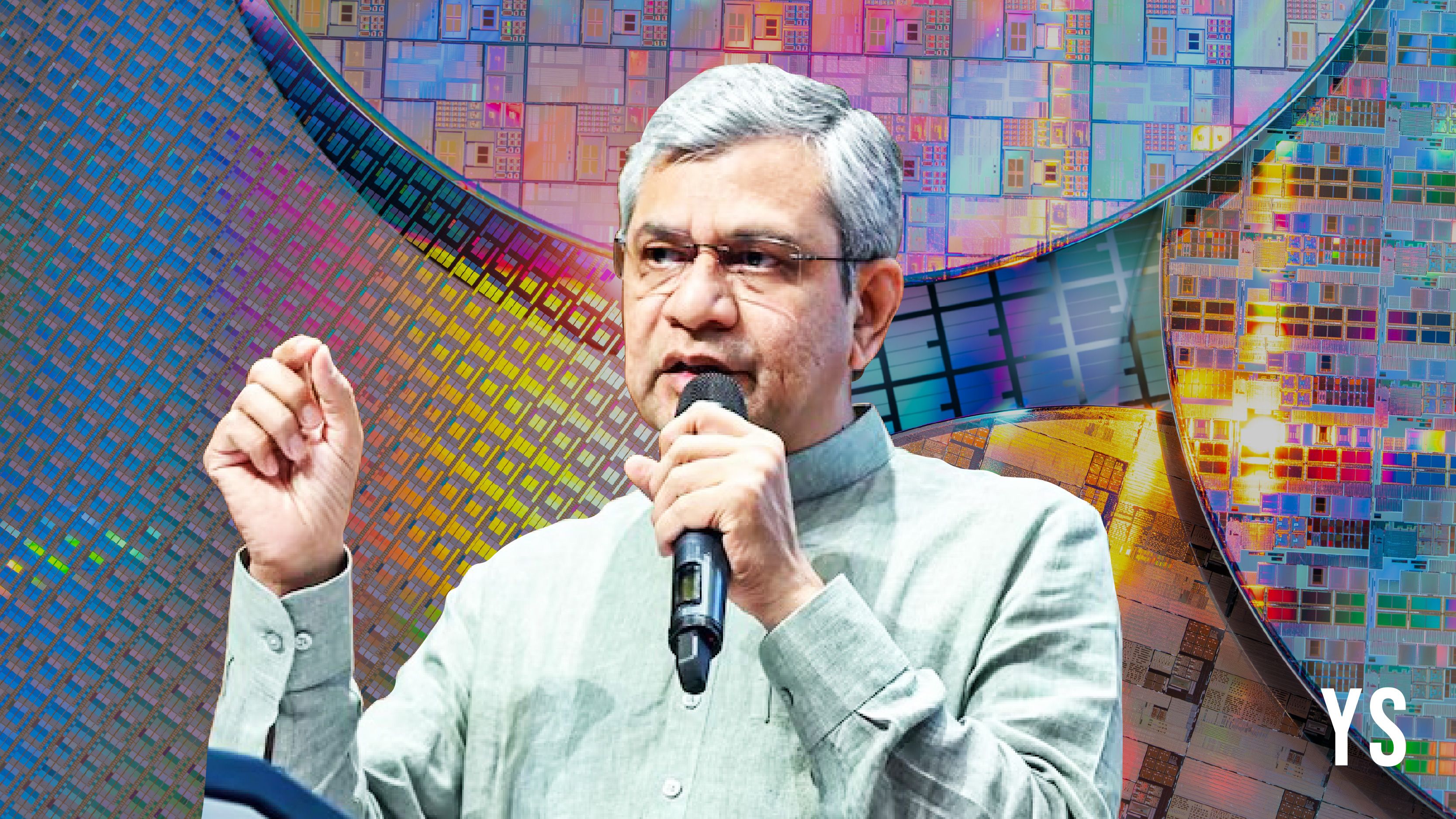
India should design and manufacture chips for everyday products: Vaishnaw

India's Electronics and IT Minister Ashwini Vaishnaw has emphasized the nation's goal of designing and manufacturing chips for everyday products like cars, televisions, and refrigerators. The minister expressed that such capabilities should be developed within the next five years. Vaishnaw highlighted the importance of the semiconductor sector, stating that it serves as the "brain" and "heart" of various devices.

He pointed out that India already manufactures chips for automobiles and the power sector, and he called for the expansion of these capabilities to include consumer electronics. Vaishnaw cited a display-control module plant in Uttar Pradesh as an example of the progress India is making, noting that more such products will be designed and manufactured domestically.

Written by urgent.news from YourStory's reporting — not their text. Machine-written — may contain errors; check the original before relying on it.


Read the original at yourstory.com →

More in Tech

Serverless Execution Architecture: How Platforms Start Functions Without Persistent Processes

Serverless Execution Architecture: How Platforms Start Functions Without Persistent Processes Serverless platforms decouple application code from persistent infrastructure by dynamically orchestrating…

  • Serverless platforms provision compute resources on-demand.
  • Warm environments enable faster response times than cold environments.
  • Serverless computing reduces operational overhead but introduces variable start-up times.

Smart Grid Monitoring: Non-Contact Phase Current Sensing with GMR Sensors

Modern power distribution networks are under pressure to improve reliability, cut maintenance costs, and streamline operational safety.

  • Non-contact GMR sensors monitor phase currents in power distribution networks.
  • GMR system achieves 64.64% to 91.49% accuracy in reconstructed current waveforms.
  • Error factors include mounting tolerances, misalignments, and sensor hysteresis.

More from Sunday 20 September →