How the 1982 Asian Games sparked India’s colour TV revolution against the odds
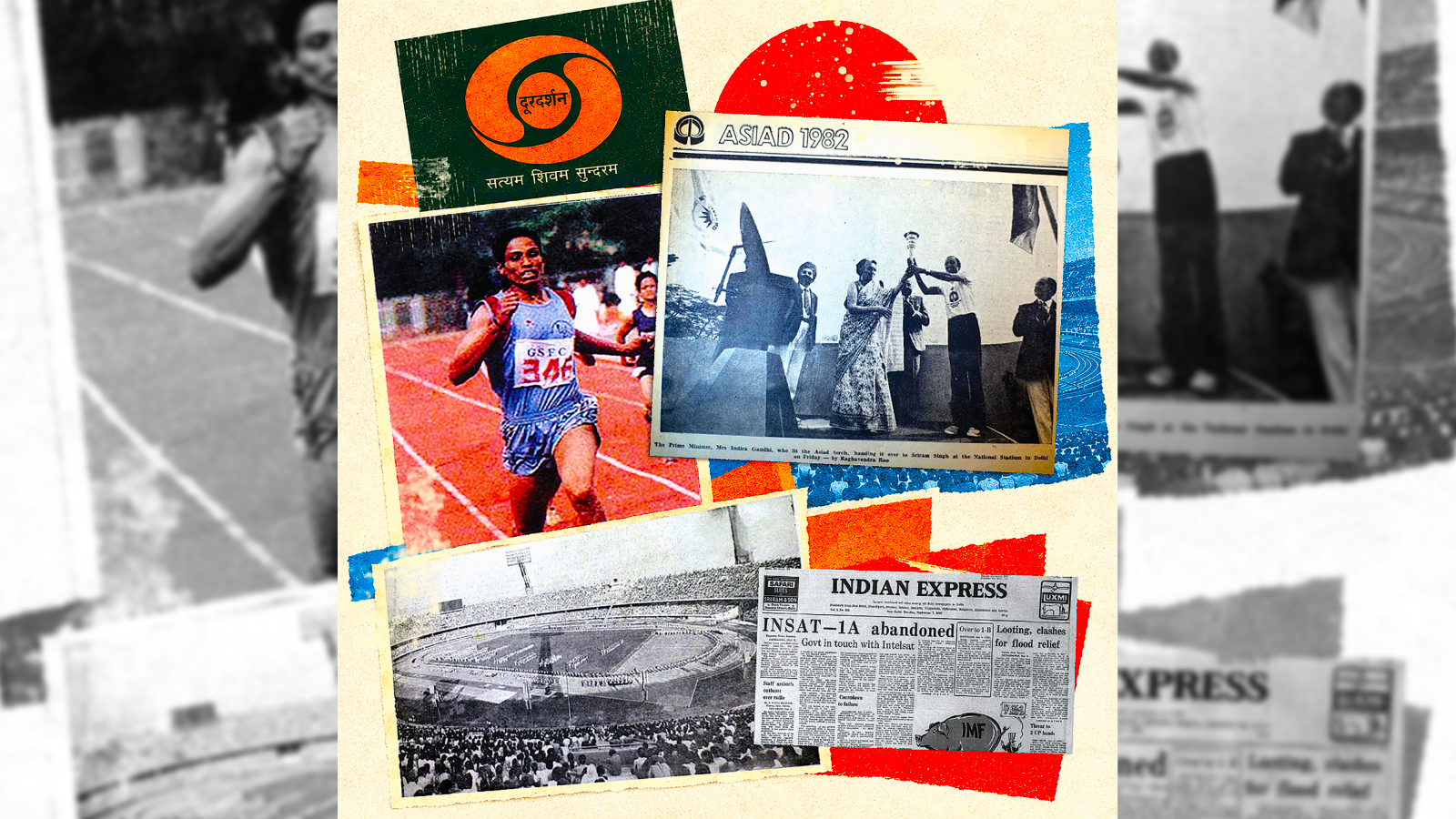
The 1982 Asian Games are remembered for several reasons, including the emergence of star athlete PT Usha and the hosting of the event in India for the second time. This occasion highlighted the country's capability to organize large-scale events. However, a lesser-known aspect of the Games was their role in sparking India's color television revolution.
Months before the Games commenced in November 1982, Indian space scientists at the Indian Space Research Organisation (ISRO) were racing against time to launch a communications satellite capable of broadcasting the events in color. Prime Minister Indira Gandhi had set an ambitious goal to air the Games in color, necessitating the development of a satellite, ground infrastructure, and color TVs for viewers.
ISRO contracted Ford Aerospace, an American company, to build INSAT 1A, India's first multipurpose operational satellite. The satellite, launched from Florida on April 10, 1982, faced technical issues shortly after detachment, leading to its deactivation just two months before the Games. In response, the government turned to the Soviet Union for a backup satellite, which they agreed to provide.
On the ground, Doordarshan, India's public broadcaster, expanded its reach by setting up additional television stations and equipping itself with more mobile cameras. By 1982, the broadcaster had established 20 TV stations in various cities, significantly increasing the number of places where the Games could be broadcast.
While color television sets were challenging and expensive to produce and purchase, the government eased regulations, allowing people to buy them with gifts from abroad. This increased demand led to airlines organizing special charter flights to transport TV sets to India, and shops in major commercial centers, such as Hong Kong, Singapore, and Dubai, struggled to keep up with the demand.
As the Asian Games unfolded, thousands of Indians witnessed their athletes compete on color TVs. Pramod Kale, who led the INSAT 1A project, experienced the impact firsthand, watching the Games on a Bush-made color TV in Bangalore. The event's success led to color TVs becoming a common household item by the time the Los Angeles Olympics arrived two years later.
Written by urgent.news from The Indian Express's reporting — not their text. Machine-written — may contain errors; check the original before relying on it.