How Iraq’s first digital bank is reshaping cash-driven economy
When Kawa Junad began building Iraq 's first digital bank, the biggest challenge was not technology. It was persuading Iraqis of the value of banking itself when most of them had never needed one. For Mr Junad, the founder of First Iraqi Bank, that meant tackling what he calls a “chicken and egg” problem: customers needed merchants to accept digital payments, but merchants needed customers before…
Kawa Junad, the founder of Iraq's first digital bank, First Iraqi Bank (FIB), faced an initial challenge in convincing Iraqis of the value of banking. Most had never needed a bank before, and there was an inherent "chicken and egg" problem. Customers needed merchants to accept digital payments, while merchants needed customers to see a reason to switch.
Despite this, FIB built a base of around 3,000 small and medium-sized businesses by late 2021, just months after launching its digital application. This tipping point led to steady growth for the bank.
FIB's rise from a digital start-up to over a million customers signifies a transformation in Iraq's traditionally cash-based economy. The bank, a privately held Islamic bank licensed by the Central Bank of Iraq since 2020, primarily operates through a digital and mobile banking model. To encourage adoption, FIB uses physical branches as part of its expansion strategy, which helps break down barriers for people hesitant to try digital banking.
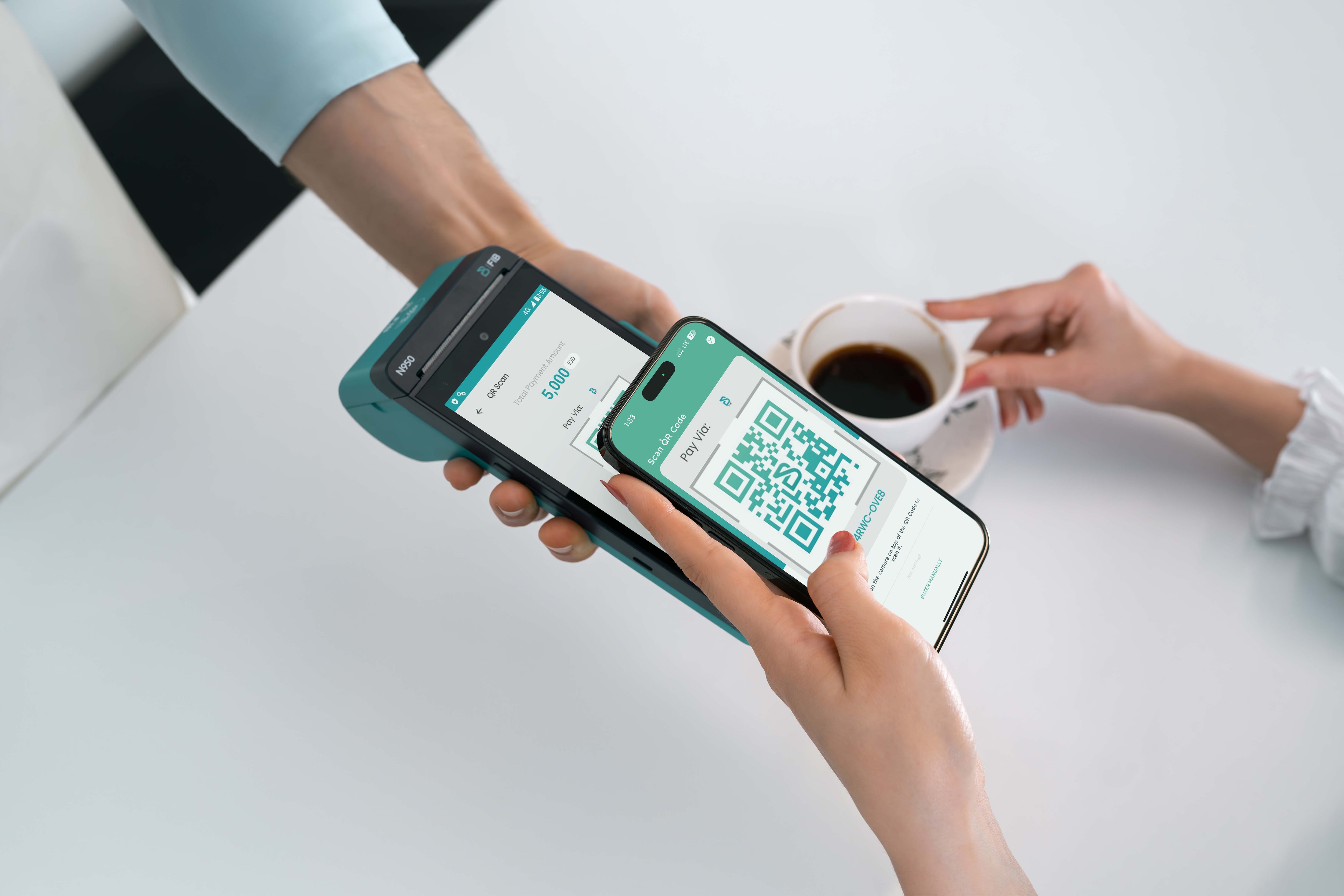
FIB's growth has been driven by simple digital tools, such as QR payments. Transactions through the bank have surged by over 85% from 2024 to 2025 and more than 70% in the first half of 2026. This shift is evident among SMEs, with some moving from cash transactions to receiving only about 20% of payments in cash. Roughly 30% of FIB's customer base now uses services like savings, credit, and salary accounts, indicating a move towards deeper banking relationships.
Younger Iraqis are at the forefront of this digital banking revolution. They are increasingly using banking services through their phones, such as paying bills, scanning QR codes at shops, or sending money without handling cash. This generation, aged 18 to 35, represents 60% of Iraq's population and accounts for significant monthly new customer acquisitions.
As the Central Bank of Iraq continues to implement digital banking reforms, FIB anticipates significant progress in digital lending and credit for SMEs and historically underserved customers by the end of 2026 or early 2027.
Written by urgent.news from The National Business's reporting — not their text. Machine-written — may contain errors; check the original before relying on it.