He slept hungry in Bengaluru. Now he is lifeline for city’s migrant workers
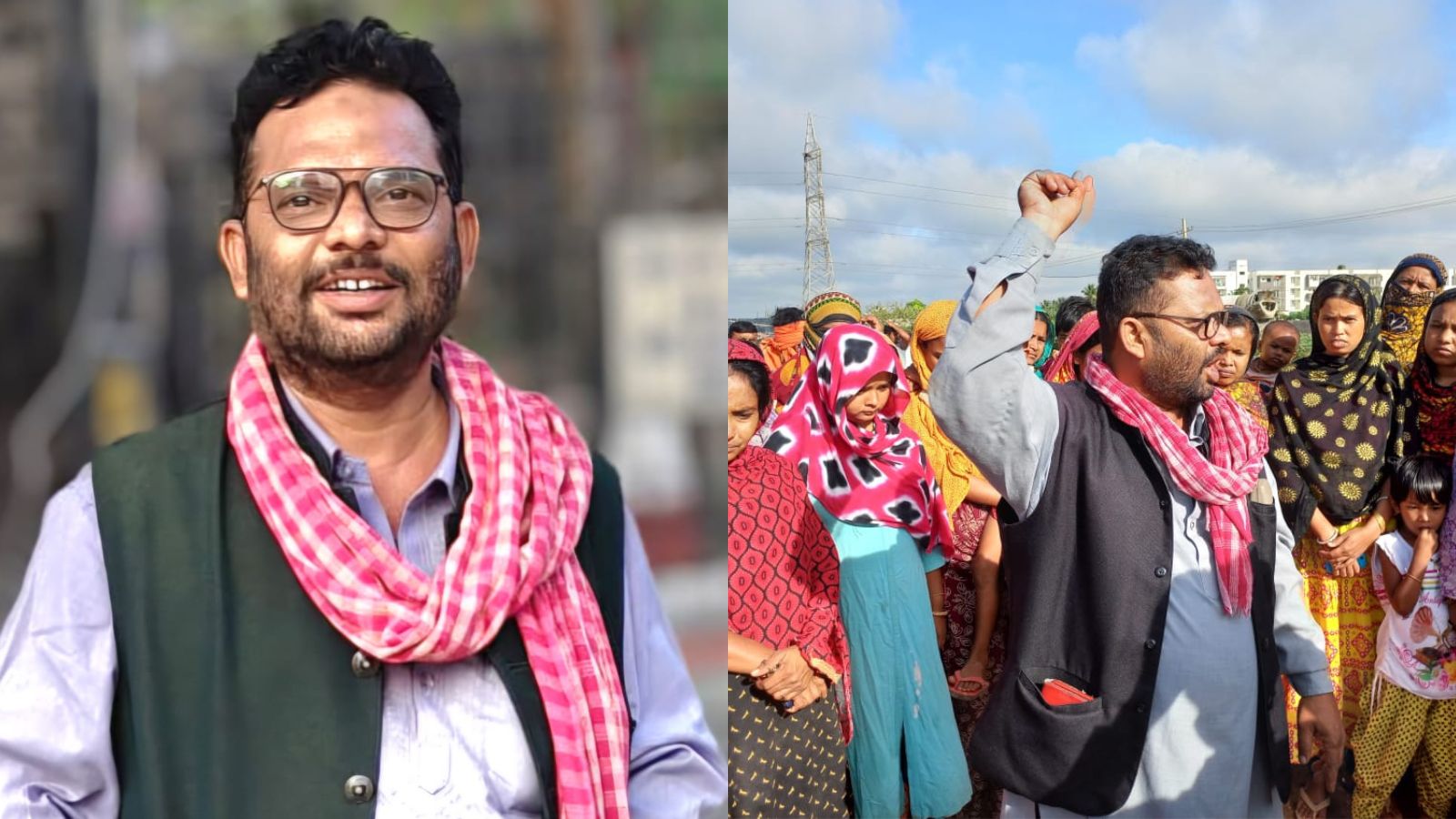
When a migrant worker in Bengaluru faces hardship - unpaid wages, sudden eviction, soaring medical bills, or unfair police handling - one of the first people they often turn to is R Kaleemullah. Across the city, migrants seek his assistance when all other options have run out. At 51, Kaleemullah serves as the national vice-president of the labor union All India Shramik Swaraj Kendra.
Over three decades in Bengaluru, he has cultivated a network of lawyers, union activists, social workers, and grassroots volunteers ready to leap in when a worker needs aid. His reputation stems not just from his professional efforts but also from his lived experience of hardship. "I never intended to become a social worker," Kaleemullah admits.
"But having endured extreme vulnerability myself, I immediately sense the pain in others. I know what it's like to feel utterly helpless."
Kaleemullah's journey began in a small village in Andhra Pradesh. As a teenager, he challenged village leaders over funds mismanagement and a municipal tax he deemed unjust. A legal battle dragged on for nearly a decade, cutting off water, power, and his family's poultry business. At age 12, village authorities even beat him for questioning decisions.
Around 1990, a bout of jaundice ended his formal education. After recovering, he enrolled in school but refused to pay an unauthorized re-admission fee, ending his academic career. Leaving his rural life in 1991, Kaleemullah first moved to Hyderabad to learn air-conditioner and refrigerator repair, hoping for a job in the Gulf. When that path failed, he landed temporary wage jobs in Mumbai before boarding a train to Bengaluru.
Initially, he cleaned refrigerators for Rs 5 a day, struggling to afford food. "We would soak cotton cloths in water, tie them tightly around our waists to stave off hunger," he recalls. Days without bus fare were common; one time, he bought a ticket to learn the route and then walked the same path to work daily.
By the mid-1990s, Kaleemullah secured steady employment at a garment shop in Shivajinagar, earning a daily wage that climbed from Rs 60 to Rs 100. Working there exposed him to the struggles of migrant workers from outside the state: extortion, arbitrary detentions by police, and unpaid wages. He also observed how Dalit and minority workers hesitated to speak up, often due to language barriers and unfamiliarity with the system.
His involvement grew organically: he would accompany workers to the police station, sit in on legal consultations, and gradually learn the ropes of navigating government offices. "My education came from living on the streets," he explains. "I didn't study many books, but I spent years sitting with people during their darkest moments. That's where I learned how the law works and how easily it can work against those who are poor."
By 2002, Kaleemullah's work expanded beyond individual cases. He volunteered at relief camps after the 2002 Gujarat violence, joined campaigns with Dalit rights groups across Karnataka, and worked with activists opposing slum demolitions. Through Vimochana, a women's rights organization based in Bengaluru, he began assisting women facing domestic violence, sexual assault, and offenses under the Protection of Children from Sexual Offenses (POCSO) Act.
During the COVID-19 pandemic, his network expanded dramatically, as volunteers and helpers reached out to people in need across India, many of them migrant workers from Assam, Manipur, West Bengal, Mumbai, Tamil Nadu, and beyond. "Even today, if they face a problem or need help, they call me," Kaleemullah says. His work with women has also drawn him into conflict with conservative sections of the communities he serves.
He has faced threats from men who oppose his efforts to help women find jobs, pursue education, or open bank accounts. "I see these women as my sisters," he asserts. "When a woman comes to me after being assaulted, I cannot ask her about her religion or caste. An assault is an assault. If her dignity has been violated, I have to stand by her."
One particularly contentious case involved a young woman from Hubballi who accused a local Islamic scholar of prolonged sexual abuse. Kaleemullah and his team worked closely with the police, leading to conviction.
Written by urgent.news from The Indian Express's reporting — not their text. Machine-written — may contain errors; check the original before relying on it.