“Get this robot out of my house!” How my spouse sense-checks the gadgets I bring home
Having a second set of not-so-techy eyes on the smart home gadgets I bring home has been a great help in determining what's useful and what's gimmicky.
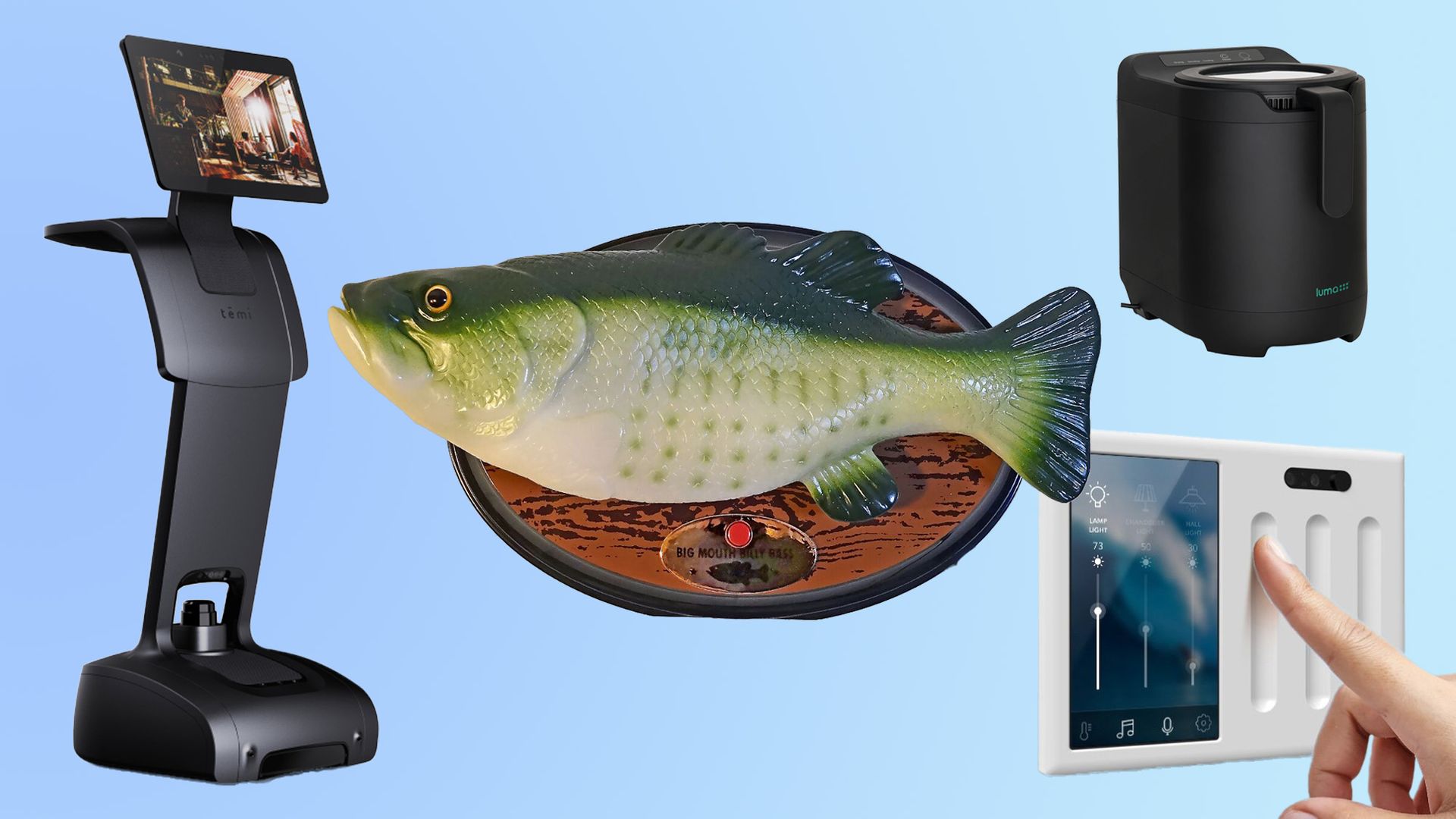
As a tech reviewer, I often bring home new gadgets for testing. My wife, however, is far more skeptical and plays a critical role in ensuring the tech is necessary and works well in our home. She questions whether we truly need these devices, providing a valuable reality check to my enthusiasm. I'm a tech editor at Tom's Guide and a homeowner, and I've tested various smart home devices in my house, including a touchscreen smart light switch that had extra features like controlling music and intercom functions.
However, the touchscreen required extra effort to use and sometimes didn't respond properly, frustrating my wife. She preferred a physical switch or Lutron's smart light switch with a physical control that connected wirelessly. Another device that drove her crazy was a $2,000 in-home robot designed to follow you around, which was too large, terrified the family dog, and made our 3-year-old daughter uneasy.
Her threshold for future robots is high. Smart speakers like Alexa, Google, and Siri have been banished to my attic office due to privacy concerns. She prefers devices that work seamlessly and discreetly, such as the Lutron smart switches. She particularly likes the Luma Indoor Composter, which has significantly reduced food waste and improved garden waste thanks to its fast composting.
Holiday-themed smart lights were a hit as well. However, not all gadgets are successful; one such example was the Alexa-enabled Big Mouth Billy Bass, which failed to meet expectations. As my wife demonstrates, smart devices should replicate the functionality of traditional devices rather than just boasting advanced features.
Written by urgent.news from Tom's Guide's reporting — not their text. Machine-written — may contain errors; check the original before relying on it.