Frozen Kremlin Assets In Europe Will Never Return To Russia — Sikorski
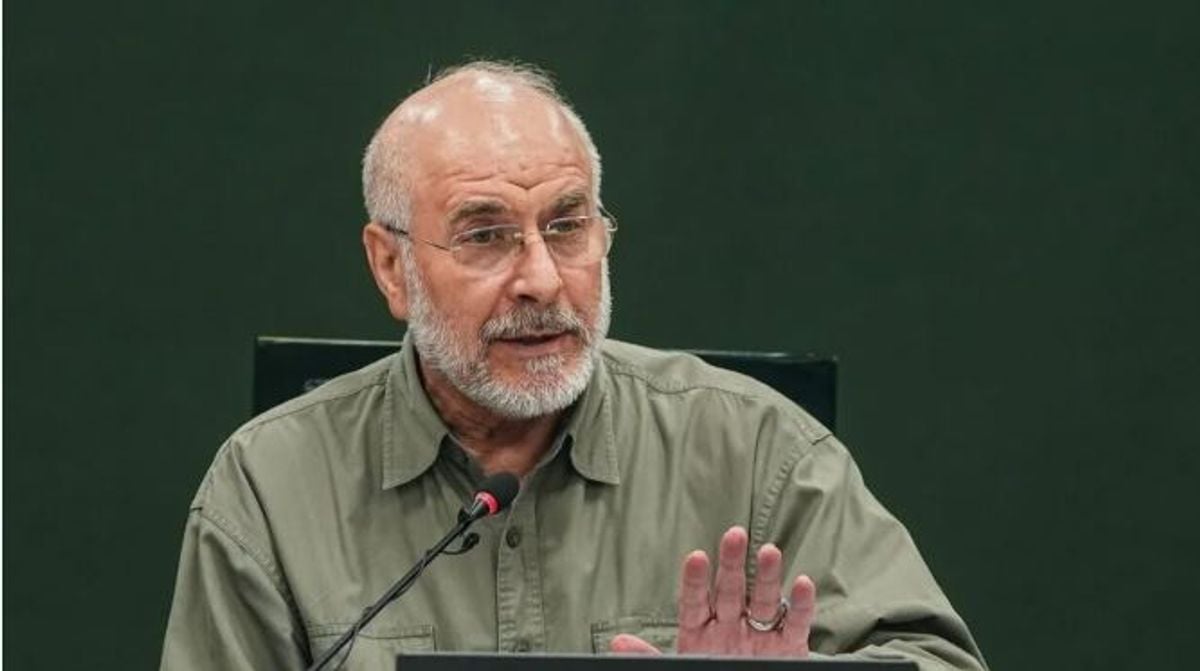
Russian state assets frozen in Europe will never return to Russia, and could in the future be used as war reparations or for rebuilding Ukraine. Polish Deputy Prime Minister and Foreign Minister Radosław Sikorski stated this during his speech at the Europe Future Forum in Warsaw, UATV English reports. "The Kremlin's assets frozen in Europe will never return to Russia. In the future, they could be…

Russian state assets frozen in Europe will never return to Russia, and could in the future be utilized as war reparations or for rebuilding Ukraine, according to Polish Deputy Prime Minister and Foreign Minister Radosław Sikorski. Speaking at the Europe Future Forum in Warsaw, Sikorski stated that these frozen funds could also be used to prevent further destruction and reduce the cost of future reconstruction.
The European Union has frozen over €200 billion in Russian state assets through these actions. While these frozen funds would aid Ukraine in its defense, they are still insufficient for its ultimate victory. Sikorski also stressed that even the conclusion of the war would not eliminate the Russian threat. He cautioned Europe against underestimating Russian militarism and called for continued reinforcement of its defense capabilities.
Poland currently allocates around 7% of its GDP to defense, but acknowledges that a comprehensive security strategy cannot be achieved purely through individual state efforts. European NATO members have doubled their military spending since 2014, and if all allies adhere to the commitments made at the NATO summit in The Hague, their annual core defense spending will surpass €800 billion by 2035.
Sikorski emphasized the need to deter Russian President Vladimir Putin. He also highlighted the defense spending of countries in the Baltic Sea region, noting that their combined military budget even during peacetime is already greater than Russia's military budget, which has been engaged in Ukraine for five years. Poland's foreign minister pointed out that the key issue now lies not in the amount of funds Europe invests in defense, but in the capabilities that result from these investments.
Among Europe's current defense priorities, Sikorski mentioned the development of long-range strike capabilities, the use of artificial intelligence for data analysis, cyber capabilities, and the widespread deployment of drones and counter-drone systems. He stressed that one cannot effectively combat drones with traditional tools.
Sikorski stressed the necessity of learning from Russia's war against Ukraine, stating that Poland cannot afford to lose to Russia again.
Written by urgent.news from UATV English's reporting — not their text. Machine-written — may contain errors; check the original before relying on it.