Experts stress need for reducing cotton import regulatory procedures
LAHORE: Pakistan’s cotton revival requires reducing the approval process for imported varieties from the existing seven years to 12-24 months, researchers and seed industry experts said on Wednesday, warning that lengthy regulatory procedures are delaying access to high-yielding germplasm. They called for an urgent review of the existing approval mechanism to identify mandatory tests, eliminate…
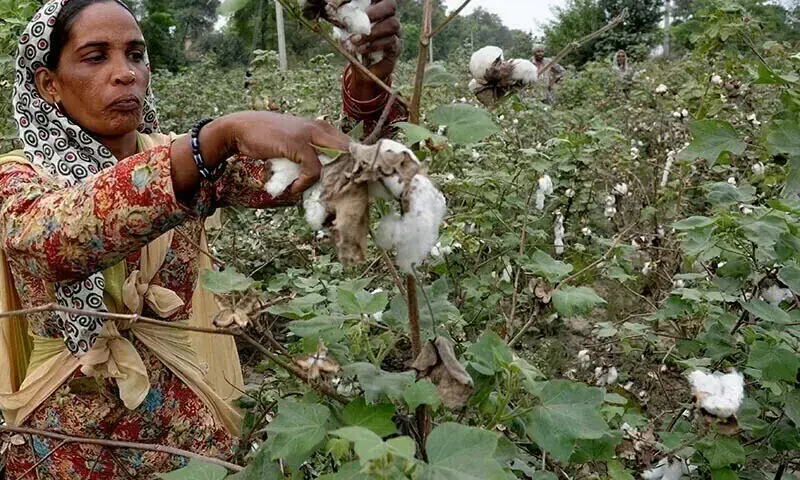
Pakistan's cotton industry requires swift action to reduce bureaucratic hurdles in importing high-yielding cotton varieties, warn researchers and seed industry experts. Currently, imported cotton seeds face a lengthy approval process lasting up to seven years, which includes stages like biosecurity screening, biosafety trials, and final approval.
Shahzad Ali Malik, CEO of Guard Agricultural Research & Services, believes a streamlined system could enable the introduction of promising cotton varieties by 2028, provided regulatory approval is granted. The researchers propose cutting the biosecurity screening stage from six months to just 15 days using laboratory tests, and conducting biosafety and National Uniform Yield Trials simultaneously for one growing season.
They also suggest reducing the final approval process from a year to just one month. These changes would involve amending the Plant Quarantine Rules, 2019, and coordination among various regulatory bodies. Pest risk analysis (PRA) of foreign seeds is another significant hurdle, with 11 cotton-producing countries currently undergoing PRA assessments.
Of the identified varieties, eight originate from Ethiopia, five from Greece, and 11 from China, bringing the total to 24. Chinese cotton, in particular, is noted for its longer staple and suitability for hot, arid conditions. Researchers are also looking at hybrid rice and maize as potential models for accelerating cotton production, as these crops have benefited from imported seed technologies to boost yields.
Cotton's importance extends beyond agriculture to Pakistan's textile and edible-oil industries. Researchers urge Aptma, the Pakistan Cotton Ginners Association, and the seed industry to collaborate in pushing for regulatory changes, expediting pest risk assessments, and moving promising varieties from research to farmers.
Written by urgent.news from Dawn Business's reporting — not their text. Machine-written — may contain errors; check the original before relying on it.