Even in the era of NIL, college sports are stacked against student athletes—now lack of transparency is holding them back from a ‘fair market’
Without collective bargaining agreements like in pro sports, college athletes are left to navigate NIL blindly.
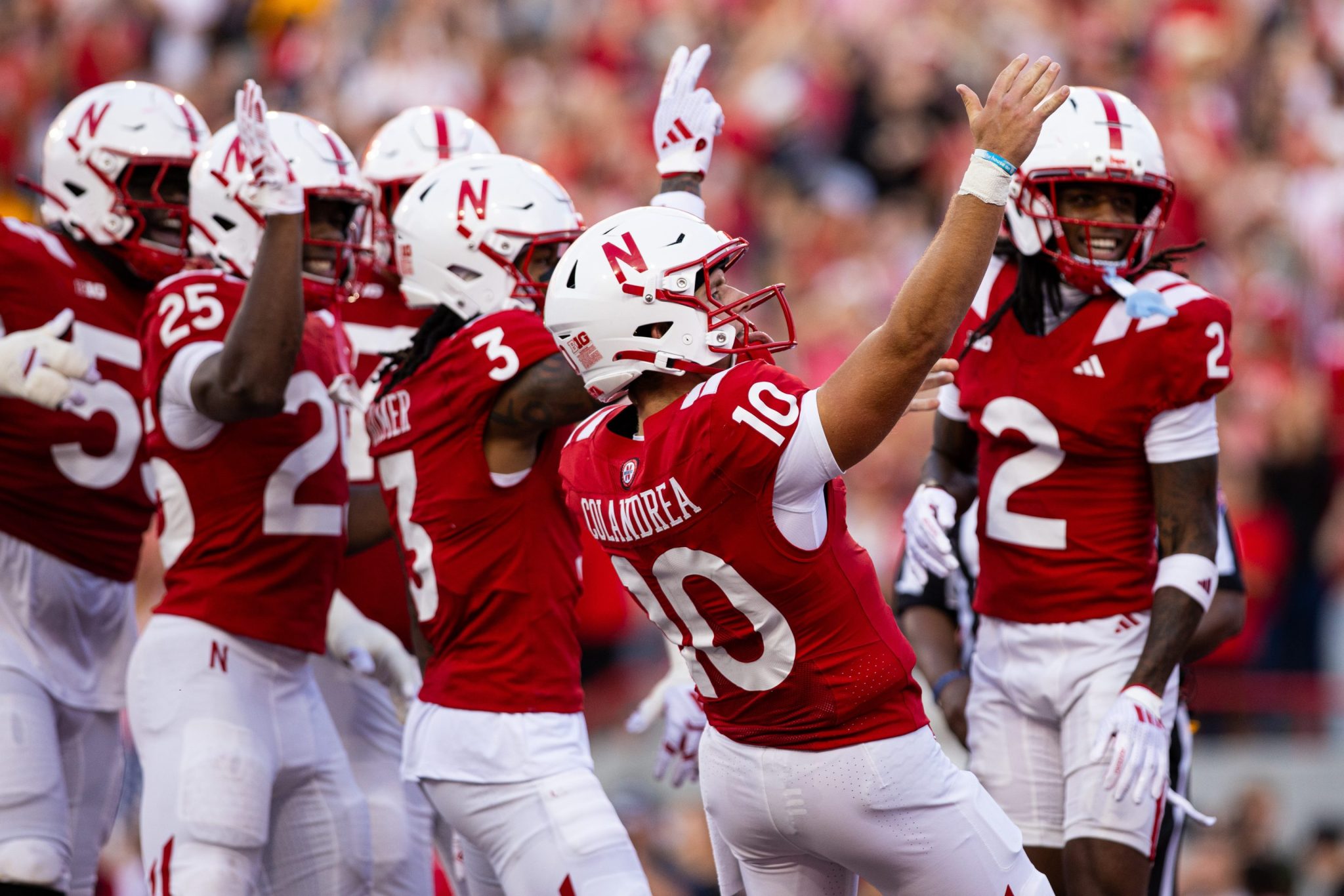
College sports have experienced a surge in popularity, and athletes are now reaping financial rewards similar to professional counterparts. Despite the introduction of name, image, and likeness (NIL) compensation five years ago, the absence of transparency continues to hinder the attainment of a "fair market." The roots of this issue can be traced back to the O'Bannon v.
NCAA case, which questioned the notion that student-athletes could generate commercial value for their institutions without receiving any compensation. This legal precedent paved the way for the current system that enables student athletes to monetize their own identities. Upon the implementation of NIL rules in 2021, the expectation was that athletes would be able to earn money from their unique identities.
However, according to Blake Lawrence, a former college football linebacker and co-founder of NIL technology company Opendorse, the ensuing marketplace is far from a fair market. Lawrence emphasized that information is crucial for establishing a fair market, and in the current landscape, 67% of school compensation tracked by his company goes to athletes without agents.
This lack of professional intermediation has prompted student-athletes to focus on maximizing their earnings, leading to the pooling of funds by donors, brands signing athletes, and fans purchasing jerseys. The market for NIL compensation appears to be expanding faster than anticipated. Lawrence stated that information is essential for creating a fair market, and the current lack of transparency has resulted in athletes finding ways to optimize their payouts.
For instance, some college football kickers have formed informal group chats and social media networks to negotiate contracts, sharing information about what their peers are earning to better understand their own worth. While the growth of college sports has been impressive, the market has yet to provide the necessary financial transparency to ensure fair compensation.
Lawrence pointed out that an athlete's total economic package can include school payments, collective money, brand deals, and other commercial arrangements. However, there is no centralized database, akin to the NFL's approach, that provides a comprehensive view of college contracts. This absence of a professional sports-style transparent system presents an opportunity for athletes to maximize their NIL compensation.
Social media plays a significant role in determining earning potential, with the biggest deals typically belonging to athletes who are both highly skilled and have a substantial social media following. According to Lawrence, these "anomaly" athletes, such as former LSU gymnast Livvy Dunne and former Heisman trophy winner and NFL player Travis Hunter, have the potential to earn significantly more than their athletic ability and marketability would suggest independently.
Hunter, in particular, represents an extreme example, as his audience could sustain value even if he ceased playing football, providing him with financial security for life. Representation is becoming increasingly vital in securing favorable NIL deals, as agents with access to information across schools and negotiations can better position their clients.
Lawrence emphasized that a good agent possesses valuable information that enables athletes to make more informed decisions. The key to unlocking fair compensation lies in leveraging this information advantage. For example, imagine a general manager offering an athlete $50,000 a year to play for their team. While this may seem like a life-changing amount, the same athlete may have a teammate with an agent who negotiated a $500,000 a year contract for the same position.
The lack of information asymmetry in the current system can lead to significant disparities in athlete earnings.
Written by urgent.news from Fortune's reporting — not their text. Machine-written — may contain errors; check the original before relying on it.