Dinosaur fossils, the latest obsession of the ultra-rich: ‘Some enjoy knowing only they can admire it’
Paleontological pieces are fetching millions alongside works of art, a trend experts worry will hamper research
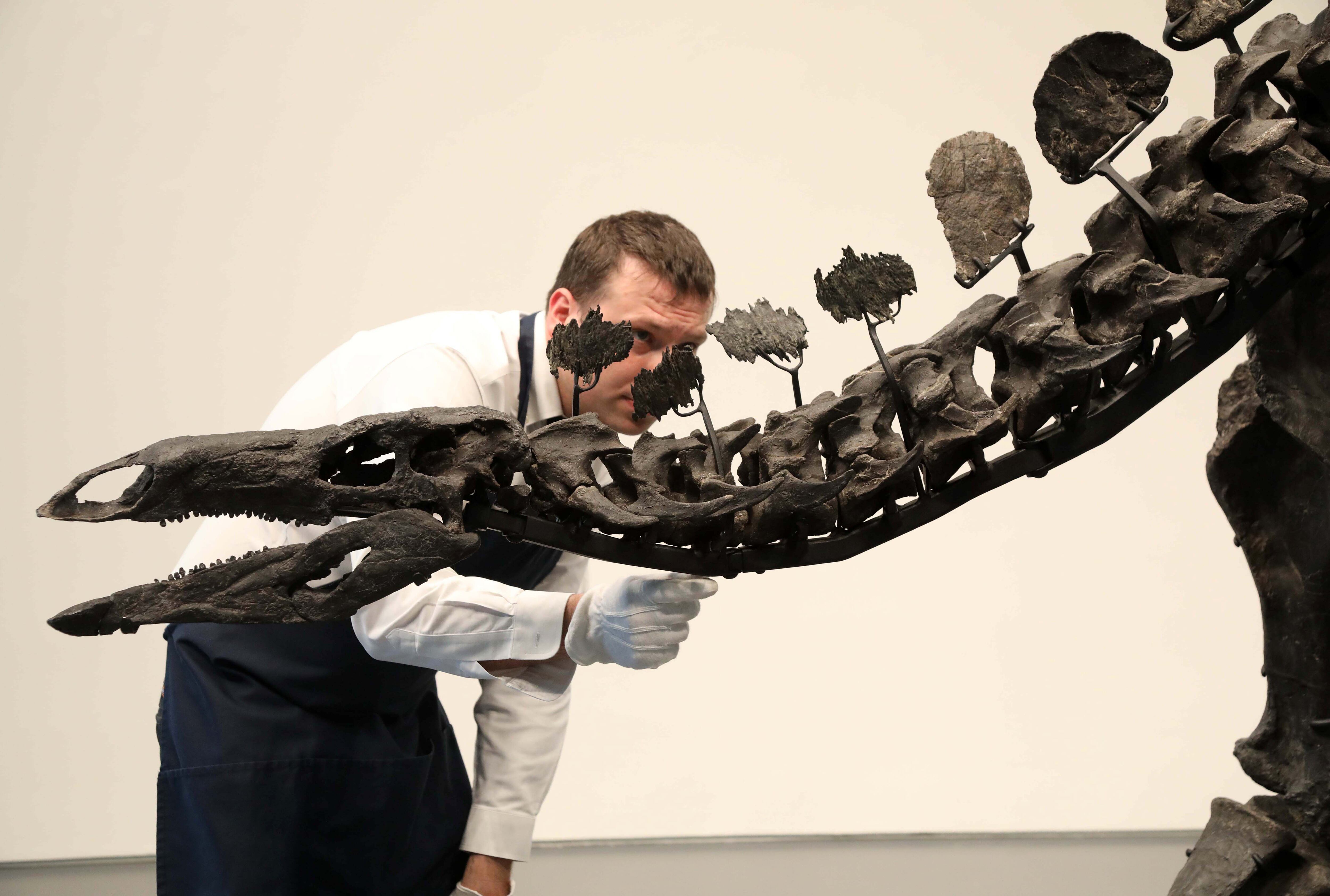
The ultra-rich have developed a newfound obsession with dinosaur fossils, with some collectors enjoying the exclusivity of possessing specimens only they can admire. A European collector once boasted to Argentine paleontologist Federico Agnolín that he could solve the origin of vipers with a particular fossil, but the specimen was never shared with the scientific community.
The Guardian revealed that a remarkable collection of Jurassic fossils in the UK was sold to a museum in Abu Dhabi, causing concern among British experts who feared a loss of precious scientific knowledge. High-profile figures like Leonardo DiCaprio, Russell Crowe, and Nicolas Cage have also become fossil collectors, though Cage had to return a looted Tarbosaurus skull.
The fossil craze has led to questionable acquisitions, even when transactions appear legal. Agnolín argues that fossils are unique and scientific, worth being shared for the knowledge they provide. However, collectors seek out unusual specimens, some of which may solve important scientific problems. Public fossil auctions, such as those organized by Sotheby's, are becoming more common and lucrative, with prices soaring from $8 million for a T-Rex in 1997 to $50.1 million for another Tyrannosaurus Rex specimen in 2022.
The legal status of fossil trade varies across jurisdictions, with some countries allowing transactions while others prohibit them, leading to exploitation of legal gray areas and trafficking of fossils. The controversy lies in the potential hindrance of scientific research due to the trend of wealthy individuals investing in fossils, as many owners are not required to inform scientific institutions about their acquisitions.
Written by urgent.news from El Pais English's reporting — not their text. Machine-written — may contain errors; check the original before relying on it.