Diez cuestiones para explicar la crisis de Ceuta
El asalto de 80.000 personas a la ciudad de ceuta ha abierto una crisis sin precedentes en la frontera sur de europa. marruecos ha retado a españa y europa en un episodio de guerra híbrida que amenaza con romper todas las vías de colaboración. Leer
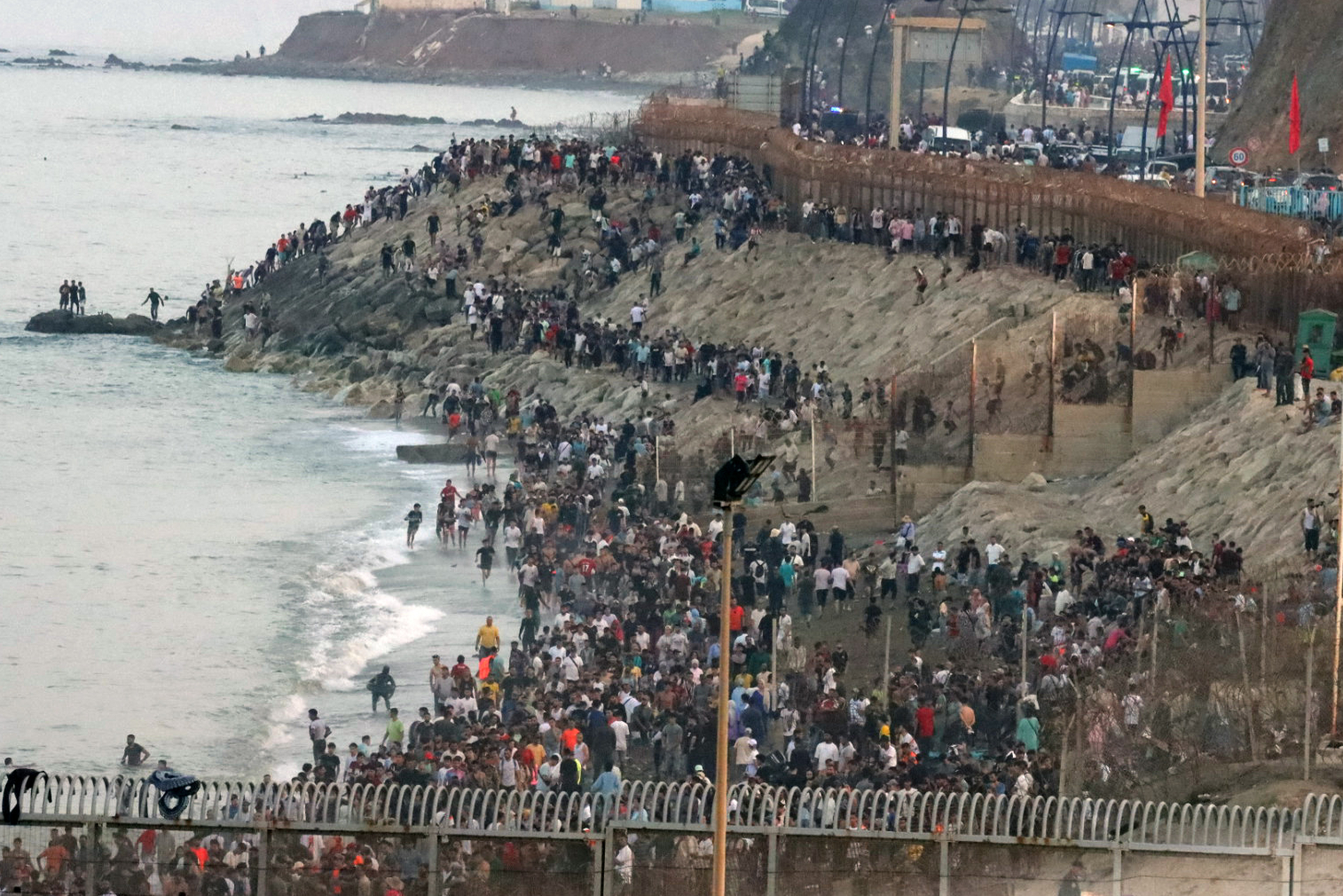
The massive influx of 80,000 irregular migrants into Ceuta on July 30 and 31 opened a unprecedented crisis along Europe's southern border. Morocco has challenged Spain and Europe with a hybrid war that threatens to disrupt all forms of cooperation. Over 10,000 to 15,000 people remain irregularly in Ceuta, creating chaos and a political crisis in Spain, and raising concerns about Europe's vulnerability at its southern frontier.
This event raises ten key questions. Was this an invasion or a migration crisis? Both. More than 80,000 people entered and, soon after, 90% returned, demonstrating it was not merely a migration issue. Most entered participating in an invasion that threatened Spain's sovereignty, as recognized by the European Parliament.
Did the 2000 Extradition Law apply? The law was designed to control migratory flows, but this massive entry exceeded any scenario. Therefore, extraordinary measures are being demanded. What should have been done? The logical response would have been to convene parliament urgently to take exceptional measures against such an exceptional situation. This required dialogue with the main opposition party to reach a quick consensus, which has not happened due to Spain's political divisions and growing tension.
When will Ceuta return to normal? Ceuta will likely only regain normalcy once the majority of irregular immigrants leave. This is a slow process due to unknown numbers of remaining irregulars, slow integration rates, and legal guarantees that slow down repatriation. Over 50 days since the invasion, only 1,800 repatriation cases have been initiated and none expelled. Finally, ensuring no future invasions requires legislative changes and border reinforcement. Until this happens, Ceuta will not return to normal.
What should be avoided? The main concern is creating a dangerous precedent that could invite similar invasions. Therefore, both Europe and the opposition call for the return of all who entered Ceuta irregularly on July 30 and 31. This sends a clear message to Morocco and potential future offenders. Why does the government avoid blaming Morocco?
The prevailing view is that blaming Morocco would hinder the return of the 10,000+ irregulars, prolonging the crisis. Thus, the government downplays Moroccan responsibility, avoiding public criticism to avoid tension. Is it dangerous to annoy Morocco? Good neighborly relations are built on mutual respect, not subservience. Morocco benefits from a good relationship with Spain and Europe, with Spain being its largest buyer of products.
Europe needs Morocco to control migration and curb possible Islamic fundamentalism in North Africa. While Morocco's military is powerful compared to other African nations, it is not a formidable enemy for Spain.
Written by urgent.news from Expansion ES's reporting — not their text. Machine-written — may contain errors; check the original before relying on it.