CNA Explains: Beyond the Air India stake, how have SIA's other investments fared?
One analyst says Singapore Airlines' track record of investments in other airlines has been "pretty underwhelming".
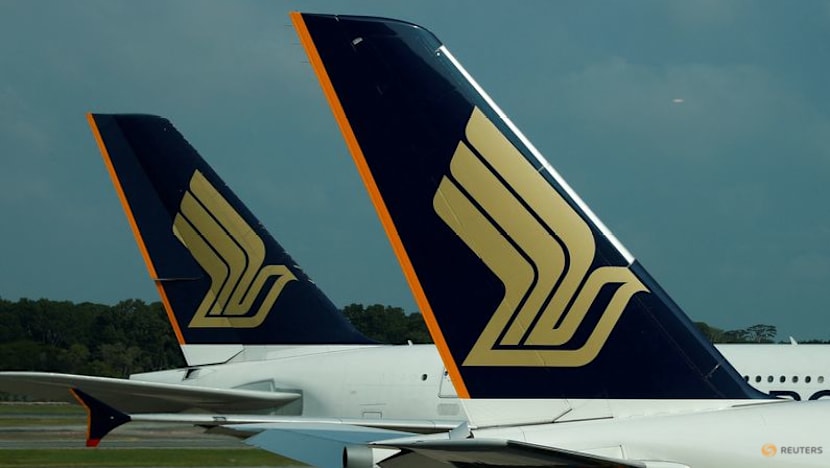
Singapore Airlines (SIA) has had mixed results with its investments in other airlines, according to an analyst. The stake in Air India, where SIA holds 25.1%, has been a recent focus after the Indian carrier requested additional funding due to a record annual loss. However, SIA's investments in other airlines have generally been underwhelming, with some notable exceptions.
In 1999, SIA acquired a 49% stake in Virgin Atlantic for £600 million (around US$1.6 billion today), hoping to gain access to transatlantic routes. However, this investment did not yield the desired results, and SIA sold its remaining shares in 2012 for £224 million.
SIA's 25% stake in Air New Zealand was also diluted after the New Zealand government intervened to rescue the airline. The airline sold its 6.3% stake in Air New Zealand for US$336 million in 2004.
SIA's subsidiary, Tiger Airways, set up an Australian division that suffered significant losses. The subsidiary was eventually bought by Virgin Australia for A$1 in 2014.
In Australia, SIA's attempts to enter the domestic aviation market have been challenging due to the dominance of Qantas and Virgin Australia. Meanwhile, in India, SIA's long-term strategic commitment to Air India is complicated by the country's complex political and commercial landscape, recent mergers, and unexpected events like airline closures and crashes.
Despite these setbacks, SIA remains focused on its multi-hub strategy, fleet renewal, premiumization, and leveraging Changi Airport's potential for growth through partnerships, maintenance services, and expanding its network.
Written by urgent.news from CNA - Business's reporting — not their text. Machine-written — may contain errors; check the original before relying on it.
This story
This is one outlet's version. Read the fullest account.