Chiltern Railways enters public ownership in Labour nationalisation push
Operator that runs services between London Marylebone and Birmingham is sixth to be nationalised since 2025 Chiltern Railways has become the latest train operator to enter public ownership as the government closes in on its ambition to renationalise all major passenger rail services. The operator, which runs commuter rail services on the Chiltern mainline between London Marylebone and Birmingham,…
Chiltern Railways, a train operator connecting London Marylebone and Birmingham, has become the sixth railway under public ownership as the Labour government pushes to take control of all major passenger rail services. The Department for Transport (DfT) announced the nationalization on Sunday, with the remaining four operators set to follow by the end of 2027. The government claims that nationalization will bring more reliable services, addressing the "daily frustration" of overcrowding and overcrowded trains.
The DfT has pledged improvements for Chiltern passengers, such as more services, increased seating, new trains, upgraded stations, and enhanced onboard amenities, including improved Wi-Fi. In 2024, the government enacted legislation to facilitate the renationalization of private train operations, joining four already-owned operators and Network Rail in the nationalization process to form Great British Railways (GBR).
Rail Minister Peter Hendy stated, "Each transfer to public ownership provides an opportunity to address the everyday issues that matter to people – more frequent, comfortable trains that arrive on time." The government aims to create a railway the country can trust, which will stimulate growth, employment, and housing opportunities.
In addition to the nationalization, Chiltern Railways will introduce 25 more daily services starting in December, with 10,000 extra seats per weekday. Interim Managing Director Tony Baxter emphasized that the improvements are a result of years of planning, dedication, and hard work by Chiltern colleagues. The public ownership will further enhance this progress through better industry collaboration.
The DfT also aims to deliver the long-awaited East-West Rail services, which were supposed to commence under Chiltern last year on the Oxford-Cambridge line. However, there is uncertainty regarding the start date for these services, as the transfer to the state operator has not yet impacted their timeline. Although multiple factors have been cited for the delay, unions oppose running the trains without a guard.
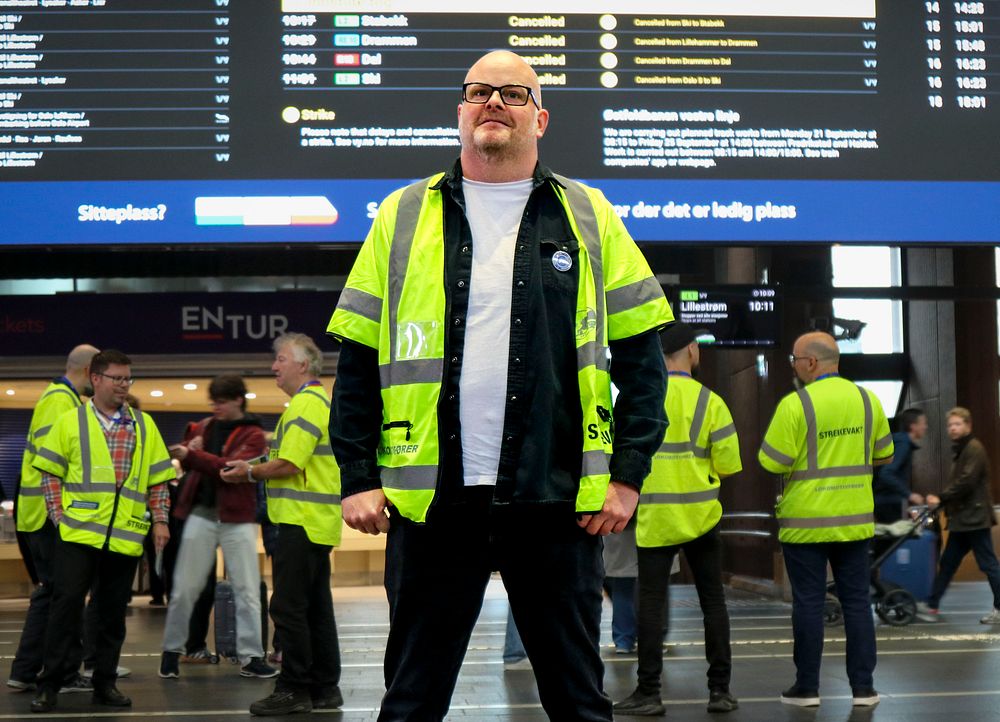
The RMT union is scheduled to protest outside London Marylebone station on Monday and is also organizing for strike action over the driver-only operation plans backed by the DfT. The ongoing dispute may further complicate the progress of the Great British Railways, as the government seeks to showcase the advantages of a publicly owned railway.
The next operator to transfer into public ownership is expected to be Great Western Railway in December.
Written by urgent.news from Guardian Business's reporting — not their text. Machine-written — may contain errors; check the original before relying on it.