Asking AI to do the hard work risks your brain health, neuroscientist warns
A study has found AI use lifted homework scores and completion rates but also led to a drop in exam performance. Neuroscientist James Vickers says there are clear problems with offloading mental labour to AI.
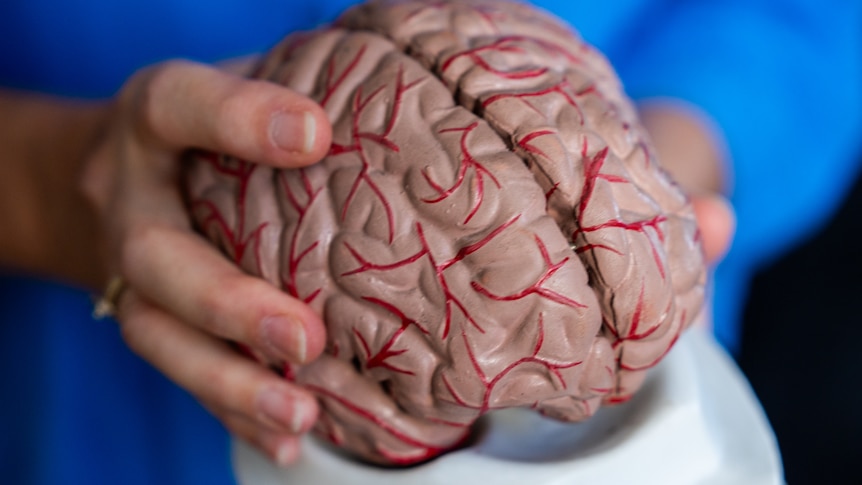
A neuroscientist's warning highlights the potential risks of relying on AI for complex tasks, suggesting it could harm brain development. Recent research involving over 26,000 students in China revealed that while AI improved homework productivity and completion times, it led to a 20% decrease in exam scores over six months. This suggests that offloading difficult mental work to AI might negatively impact cognitive abilities.
Professor James Vickers, who specializes in neuroscience, asserts that learning and critical thinking physically alter the brain, creating new neural connections. These activities, he explains, build "cognitive reserve," which helps individuals resist cognitive decline due to factors like stroke or dementia. The fear is that excessive reliance on AI might impede the development of these essential skills.
Critics also point to the environmental and social ramifications of AI use, such as the energy consumption of AI data centers and the threat of AI-generated deepfakes. Despite these concerns, some students are boycotting AI technology due to worries about its impact on their learning experience and future job prospects. Universities are adapting to this new reality by exploring ways to integrate AI in a manner that enhances learning rather than replacing it.
This includes developing AI tools that guide critical thinking and learning, rather than simply providing answers.
Written by urgent.news from ABC News AU's reporting — not their text. Machine-written — may contain errors; check the original before relying on it.