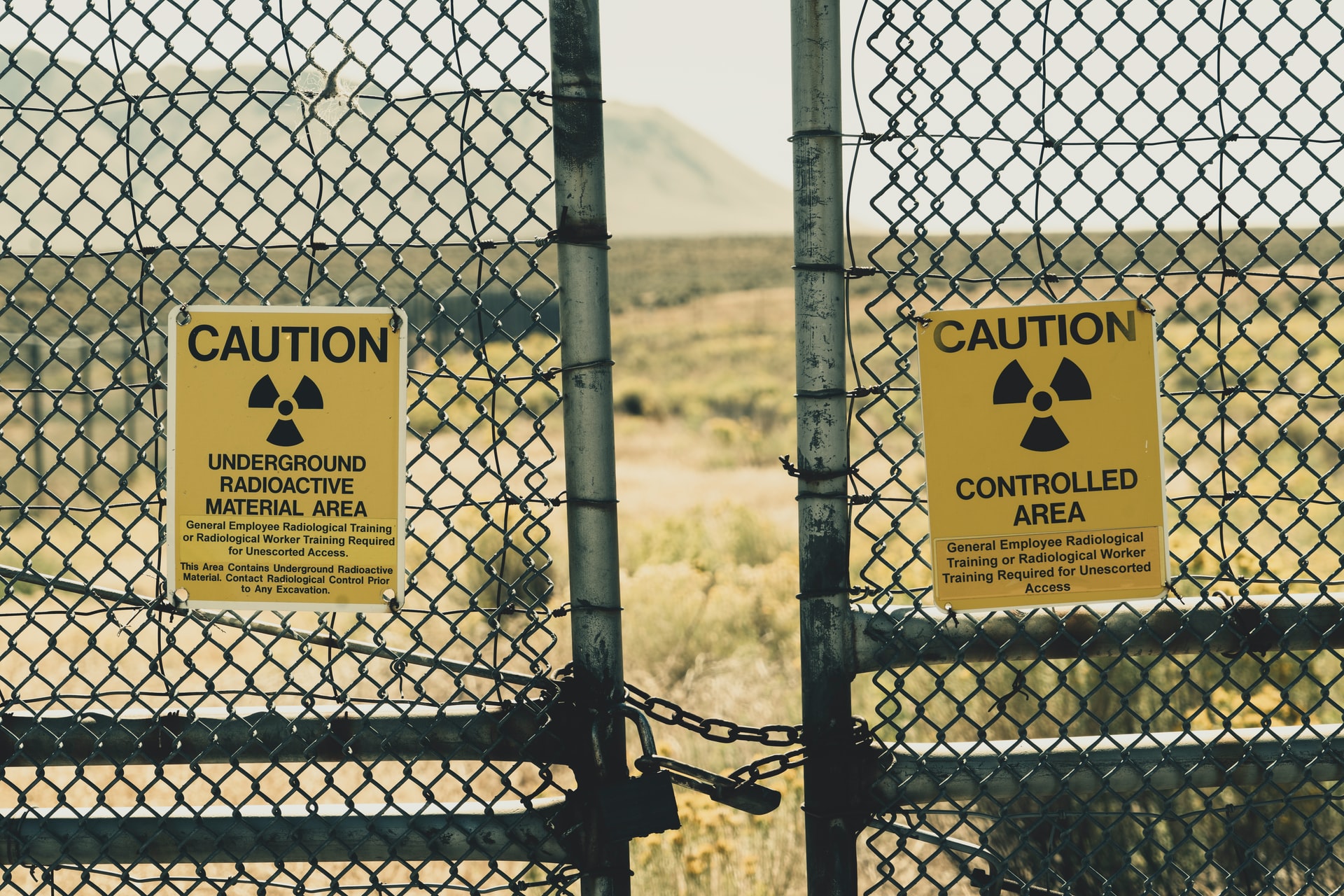
As energy infra comes under attack in Russia & West Asia, India has a new fertiliser problem – Sulphur
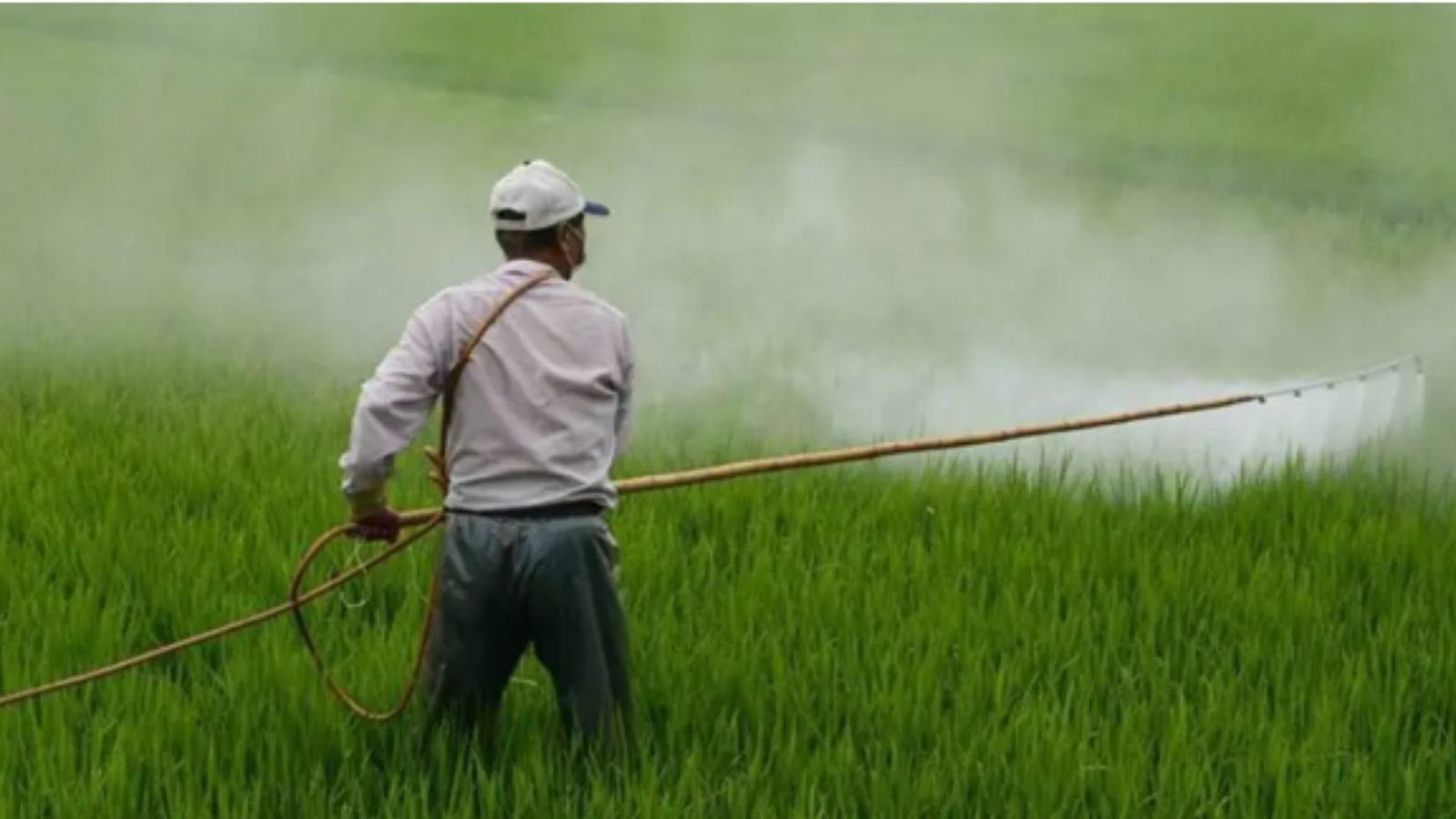
In the wake of escalating conflicts in Russia, West Asia, and India, the nation is grappling with a new fertilizer issue: sulphur. As the price of sulphur has doubled in the past year, this critical commodity is threatening the availability of key fertilizers like di-ammonium phosphate (DAP), single super phosphate (SSP), and others.
The soaring prices can be attributed to targeted drone and missile attacks on Russian oil refineries and gas complexes, as well as Iran's attacks on Saudi Aramco, QatarEnergy, and Abu Dhabi National Oil Company.
Sulphur, which accounts for about 60% of the global fertiliser sector's 70 million tonnes annual consumption, is primarily a byproduct of petroleum oil refining and natural gas processing. The fertiliser industry alone consumes roughly 2-2.1 million tonnes of sulphur annually. Without sulphur, rock phosphate, a key component in fertilisers, cannot be processed into a water-soluble form for plant absorption. Consequently, sulphur and sulphuric acid are essential for manufacturing fertilizers containing phosphorous.
Historically, India imported sulphur at prices well below $200 per tonne, but this changed with the onset of the Russia-Ukraine war, causing import prices to rise to $400-500 per tonne in 2022. The situation worsened when Ukraine started targeting Russian oil refineries and gas complexes in August 2025, driving landed sulphur prices above $500 per tonne. The recent US-Iran war has further exacerbated the situation, with Iran disrupting the oil and gas infrastructure of its Persian Gulf neighbors.
The surge in sulphur prices is not solely due to geopolitical tensions. The demand for sulphuric acid in the extraction and processing of nickel for electric vehicle batteries has also increased significantly, from 3.5 million tonnes in 2021 to 16 million tonnes in 2025. This surge in demand from countries like Indonesia, the world's largest nickel reserve holder, has put pressure on sulphur and sulphuric acid supplies.
Indian fertiliser companies source sulphur from domestic oil refineries and sulphuric acid from smelting complexes operated by Hindustan Zinc Ltd and Birla Copper in Rajasthan and Gujarat. However, the bulk of their requirements is still imported. With the ongoing wars and sulfuric acid demand for nickel extraction, Indian fertiliser companies are counting on an end to the conflicts and a possible decrease in fertiliser demand due to the El Niño phenomenon for some relief from the soaring prices.
Written by urgent.news from The Indian Express's reporting — not their text. Machine-written — may contain errors; check the original before relying on it.