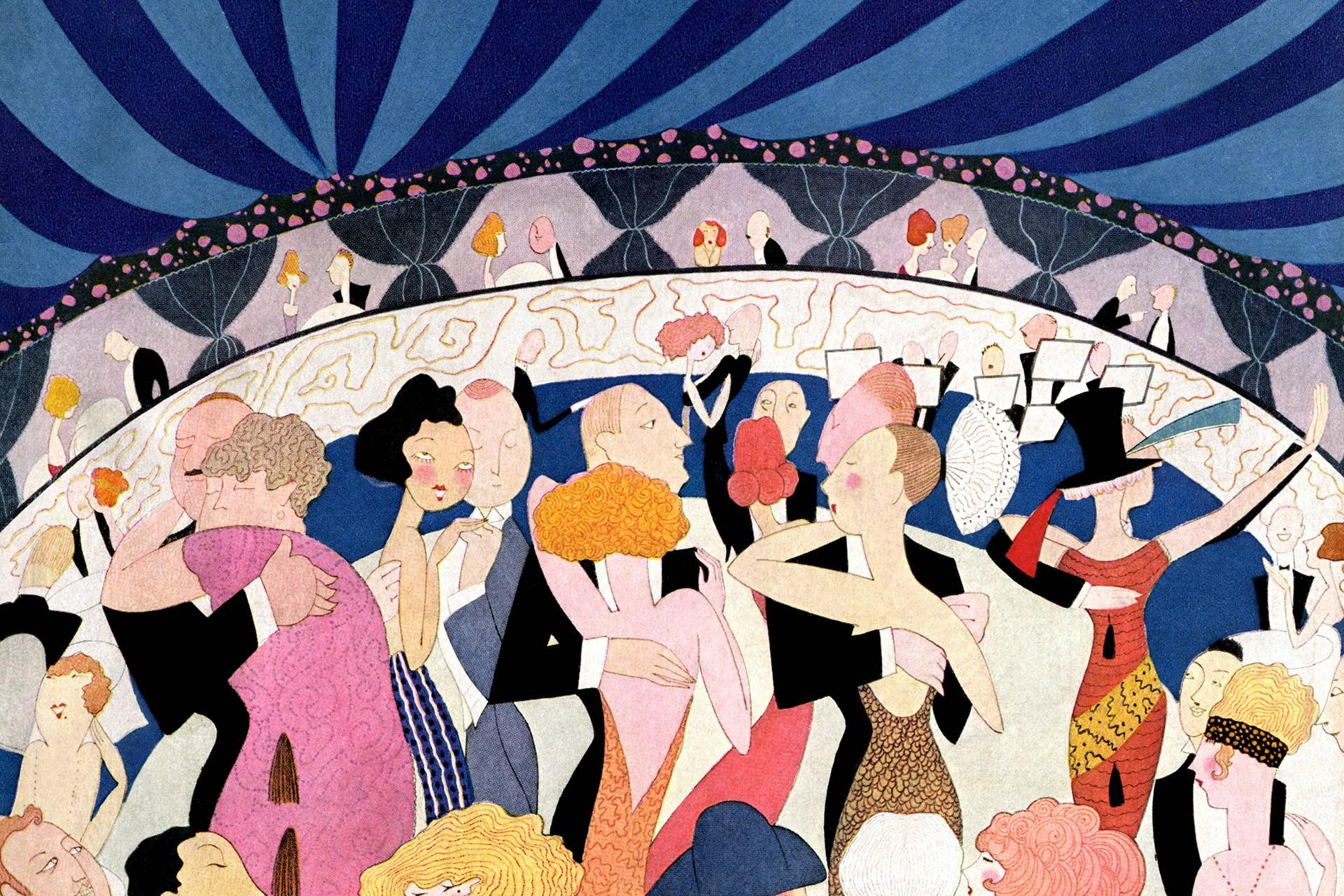
A guide to Hong Kong’s bitter herbal teas and how Gen Z is reviving the health tradition
In the first instalment of a four-part Health Matters series on traditional Chinese medicine, Lisa Cam and Ashlyn Chak explore how a new generation of health-conscious youth is discovering century-old leung cha and helping neighbourhood tea shop owners safeguard a dying trade. Long before modern chain pharmacies and over-the-counter painkillers were readily available in Hong Kong, there were…
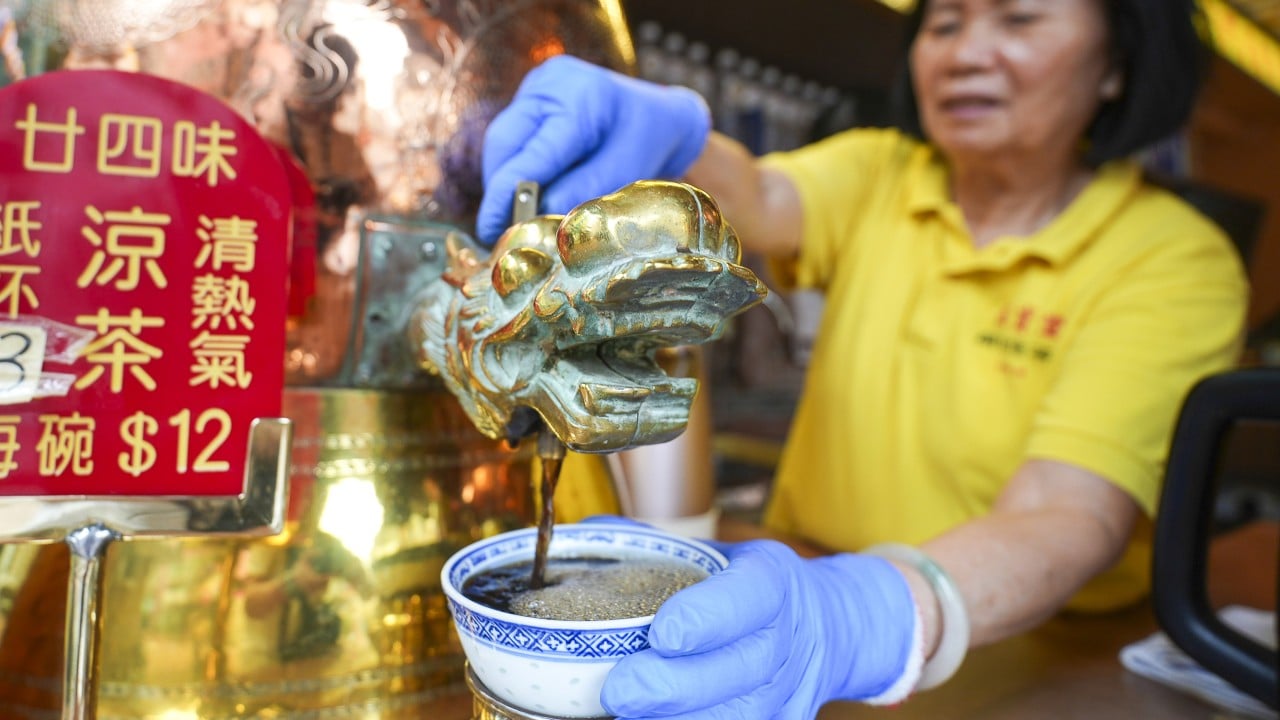
A four-part Health Matters series on traditional Chinese medicine examines the resurgence of century-old leung cha herbal teas in Hong Kong. Once a crucial remedy for sore throats, seasonal dampness, and urban stress, these intensely bitter decoctions brewed in brass cauldrons have fallen out of favor among younger generations. Historically, leung cha shops served as both street clinics and community centers, often located near cinemas and factories where people gathered.
The tradition began in Guangdong province, where tonics were tailored to address southern ailments like dampness and excessive heat. During Hong Kong's industrialization in the 1920s, these tea shops proliferated alongside factories, offering convenient access to remedies for busy workers who no longer had time to make home remedies.
The practice is rooted in traditional Chinese medicine (TCM), where cooling teas are brewed using a distinct combination of herbs to target specific health needs. However, misuse of these teas can strip the body of essential warmth, exacerbating digestive issues. With the rise of supermarkets and chain outlets, the cultural importance of leung cha shops has waned, and several have closed due to slim profit margins and increasing rents.
Despite this decline, some shops like Keung Wai-kwan's Pak Po Tong on Temple Street remain thriving, serving long-time patrons who value the tradition.
Written by urgent.news from South China Morning Post's reporting — not their text. Machine-written — may contain errors; check the original before relying on it.