17-year-old builds 170 AI glasses to help blind navigate after grandma lost sight
Seventeen-year-old Alexander Du has made waves with his creation, IRIS, an AI-powered wearable aimed at aiding the visually impaired. This device uses vibration technology to assist users in navigation and obstacle detection, providing a cost-effective alternative to pricey commercial smart glasses. His remarkable efforts were acknowledged in a ceremony at the White House, as he aspires to expand…
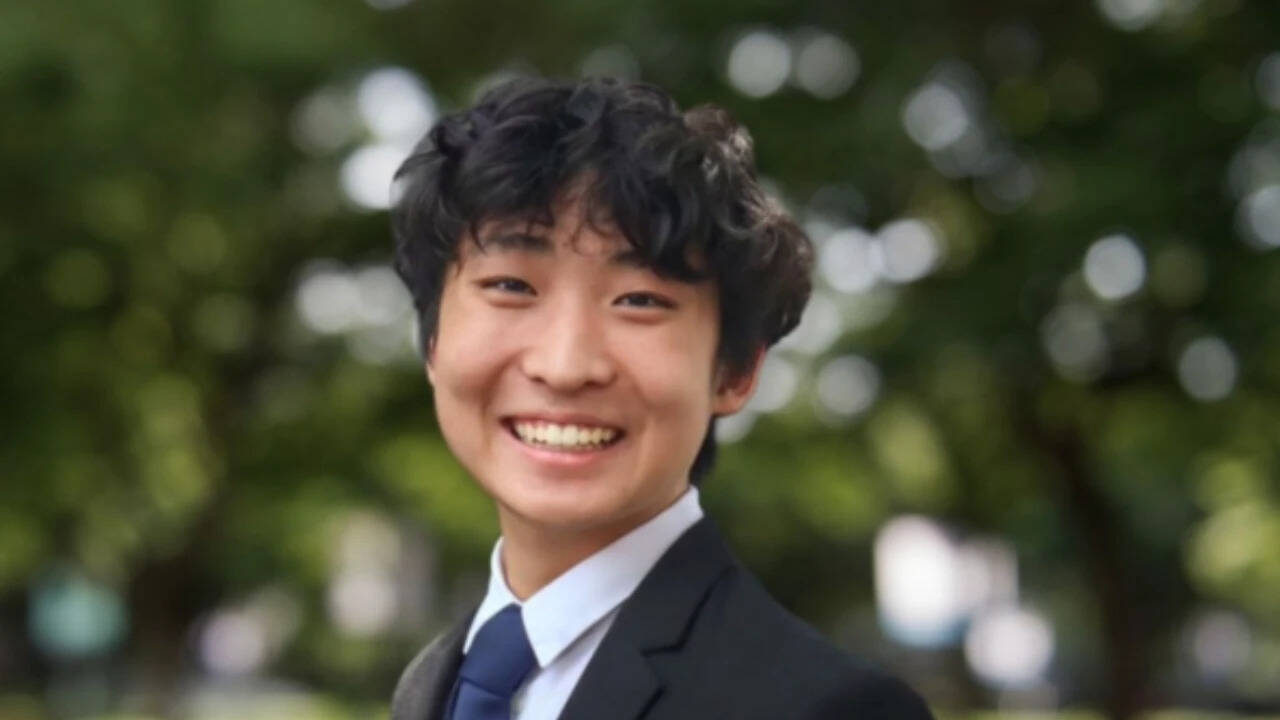
Seventeen-year-old Alexander Du from Sewickley, Pennsylvania, has been hailed as a 2026 Presidential AI Challenge National Champion for his creation, IRIS. This AI-powered wearable device is designed to aid blind and visually impaired individuals in navigating their surroundings. The innovative glasses were inspired by Du's own grandmother, whose sight loss made navigating the world a daily struggle.
His grandmother would hold his arm tightly while crossing streets, effectively acting as her guide. This inspired Du to develop a solution that would give his grandmother—and others like her—more independence.
IRIS is a lightweight and discreet pair of glasses that cost only $170, a fraction of the price of commercial alternatives that can reach up to $6,000. The device uses AI to create a real-time 3D map of the environment and guides users around obstacles through vibration feedback. The glasses operate offline, which makes them accessible even in areas with limited connectivity. A mobile app handles navigation, while a built-in AI assistant can transcribe text and describe scenes upon voice command.
The invention faced significant challenges during its development, as Du spent late nights teaching himself AI and building IRIS from scratch. He even had to cold-email professors at the University of Pittsburgh to gain access to lab space. Despite multiple failures, Du persisted, ultimately creating a device that reduces collision accidents by 80% compared to traditional white cane usage.
Sadly, Du's grandmother passed away before he could complete the project. However, he remains committed to making IRIS accessible to millions of visually impaired individuals worldwide. He expressed that his journey taught him that when there's no path, you must create one, step by step. Du's efforts were recognized by First Lady Melania Trump at the White House during the Presidential AI Challenge awards ceremony.
Written by urgent.news from Times of India's reporting — not their text. Machine-written — may contain errors; check the original before relying on it.