11 Cybersecurity CEOs Getting the Industry’s Attention in 2026
Cybersecurity’s center of gravity is shifting. Cloud infrastructure, software supply chains, AI agents, data security, and autonomous defense are creating new categories and giving a new generation of security CEOs plenty to talk about. These 11 executives stand out not necessarily because they run the largest cybersecurity companies, but because their companies and ideas are increasingly part of…
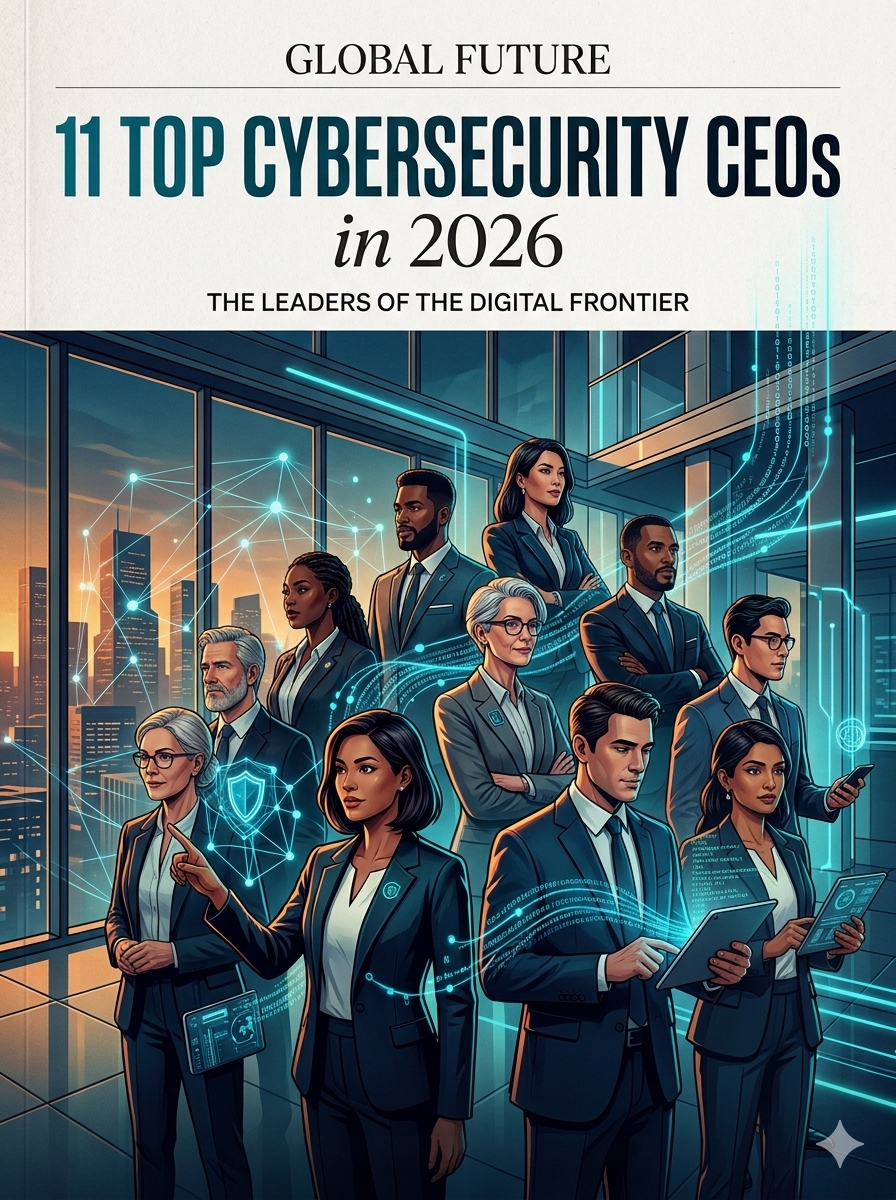
In 2026, 11 cybersecurity CEOs are garnering significant attention within the industry. These executives represent a new generation of security leaders whose companies and innovative ideas are increasingly shaping the conversation around cybersecurity.
Amiram Shachar, co-founder and CEO of Upwind, is making waves with the company's recent $300 million raise at a $3.8 billion valuation. Upwind specializes in cloud security, a rapidly growing area as more businesses move their operations to the cloud. Shachar's leadership is being closely watched due to the increasing importance of securing AI-driven cloud environments.
Rob Gurzeev, co-founder and CEO of CyCognito, is at the forefront of attack surface management (ASM). With his background in offensive security, Gurzeev helps enterprises reduce external risk using AI-powered technologies that simulate adversary activity. As AI adoption continues to grow, Gurzeev is a key voice in addressing the new risks that AI presents.
Tina D’Agostin leads Alcatraz AI, a company that applies AI-powered facial authentication to physical access control. With over 25 years in security technology, D’Agostin brings extensive expertise to the company, which recently raised $50 million in a Series B round. D’Agostin's work in physical security is gaining traction as enterprises seek to protect their facilities from increasingly sophisticated threats.
Yotam Segev co-founded Cyera, a company that focuses on data security in the age of AI. As enterprise data becomes more critical, Cyera's relevance has expanded, and the company recently raised $400 million at a $9 billion valuation. Segev is now exploring the connection between data protection and the security of non-human identities and AI agents.
Kyle Hanslovan, co-founder and CEO of Huntress, is a former NSA cyber operator and Air Force offensive cyber specialist. Huntress focuses on protecting small and midsize businesses, and Hanslovan's recent research highlights a staggering 1,380% increase in device-code phishing attacks. Hanslovan uses this data to warn that automation is lowering the barriers to cybercrime.
Hagai Shapira, co-founder and CEO of Daylight Security, is focused on autonomous security. Daylight's platform combines autonomous AI agents with human expertise to improve security operations. Shapira's work is gaining attention as the SOC evolves to leverage AI for more of the operational workload.
Rebecca Krauthamer, co-founder and CEO of QuSecure, is at the intersection of cybersecurity and quantum computing. As organizations prepare for the potential threats posed by quantum computing, QuSecure is focusing on post-quantum cryptography and cryptographic agility. Krauthamer has been recognized for her work in this emerging field, being named to the Quantum Security 25 and Inc.'s Female Founders 500 lists.
Michael Fey, co-founder and CEO of Island, brings a long track record in enterprise security to his role. Before co-founding Island, Fey held senior leadership positions at Symantec and other major technology companies. Island's focus on the enterprise browser category has led to impressive growth, with the company reaching $200 million in revenue and a valuation of approximately $4.8 billion.
Eoin Hinchy, co-founder and CEO of Tines, has a background as a security operator and understands the challenges faced by security teams. Tines has evolved from a security automation company into an intelligent workflow platform, combining AI, automation, and integrations. Hinchy's perspective is becoming increasingly relevant as companies seek to automate more of their security operations without removing the need for human decision-making.
Gwenyth Castro, co-founder and CEO of Binarly, is leading the company as it focuses on software supply-chain security. With over 15 years in cybersecurity, Castro previously held senior roles at Bishop Fox. Binarly's importance has grown as AI-generated code and complex dependencies become more common in software development.
Dan Lorenc, co-founder and CEO of Chainguard, is a prominent voice in software supply-chain security. His company focuses on making open-source software more trustworthy and secure, while Lorenc discusses how AI-generated code is changing the development process. Chainguard's work is gaining attention as organizations look to secure their software supply chains in the face of evolving threats.
Written by urgent.news from HackerNoon's reporting — not their text. Machine-written — may contain errors; check the original before relying on it.