Why does blond hair tend to darken with age?
Some children have blond hair that darkens as they grow up. What causes this change?
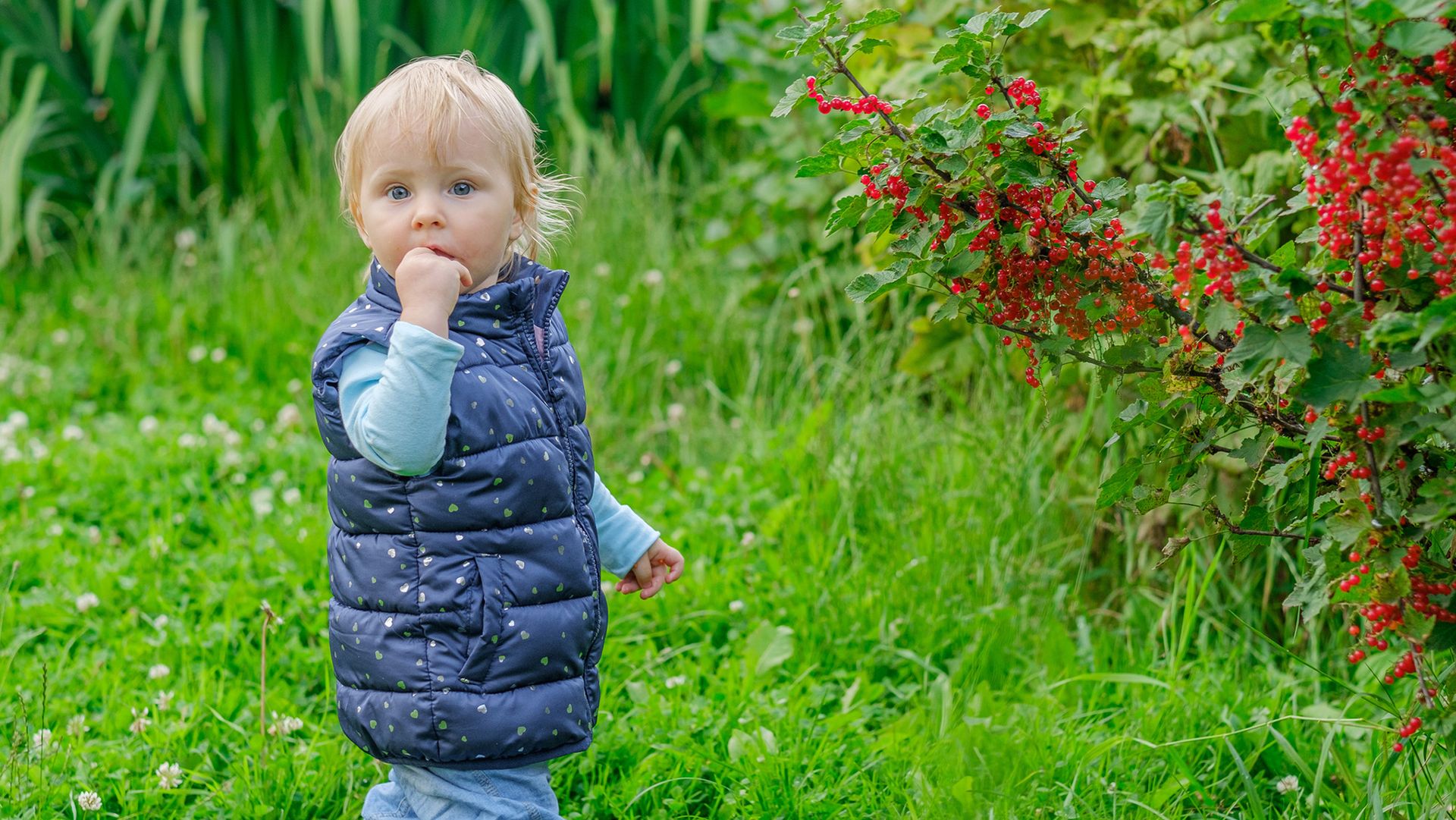
The transformation of platinum blond hair to darker shades, even black, among some children as they mature remains a perplexing phenomenon. The color of hair is determined by the pigment melanin, produced by melanocytes within hair follicles. Two primary types of melanin, eumelanin (responsible for brown and black hues) and pheomelanin (yellow and red tones), dictate the final hair color.
The production of melanin is influenced by an intricate interplay of genes, pigment cells, and hormonal factors, particularly during childhood and puberty.
Desmond Tobin, a dermatological science professor at University College Dublin, explains that the change from blond to darker hair in some children is generally attributed to hormonal shifts during puberty, primarily estrogen and androgens. These hormonal changes stimulate increased production of eumelanin, gradually darkening the hair. However, the exact mechanism by which hormones trigger this transformation is yet to be fully understood.
Interestingly, certain hormones, known as melanocortins, may play a role in this process. Alpha-melanocyte-stimulating hormone (alpha-MSH), for instance, regulates the production of melanin. This hormone is typically activated by ultraviolet light, which induces the skin to produce more melanin, leading to tanning. In hair, however, the mechanism by which alpha-MSH and other hormones influence melanin production during puberty is still unclear.
Wojciech Branicki, a researcher at Jagiellonian University in Poland, adds that the specific genes controlling this process and how they interact with hormonal changes during puberty remain a mystery. He suggests that hormonal effects on children's hair follicles might vary based on genetic backgrounds, leading to different responses among individuals.
Some children may continue to produce relatively little eumelanin and remain blond, while others might experience a surge in pigment production as their bodies develop, resulting in darker hair growth.
Despite significant advancements in human genome research, researchers acknowledge that many aspects of the interplay between genes, hormones, and melanin production are still not fully elucidated. Understanding why some children's hair darkens while others' remain blond is an ongoing area of scientific investigation.
Written by urgent.news from Live Science's reporting — not their text. Machine-written — may contain errors; check the original before relying on it.