What neuroscientists thought was a biological signature for IQ might actually be socioeconomic privilege
A large analysis of children's brain scans reveals that socioeconomic status is the primary factor shaping brain organization. The findings suggest that brain patterns previously linked to intelligence actually reflect environmental factors like stress and sleep deprivation.
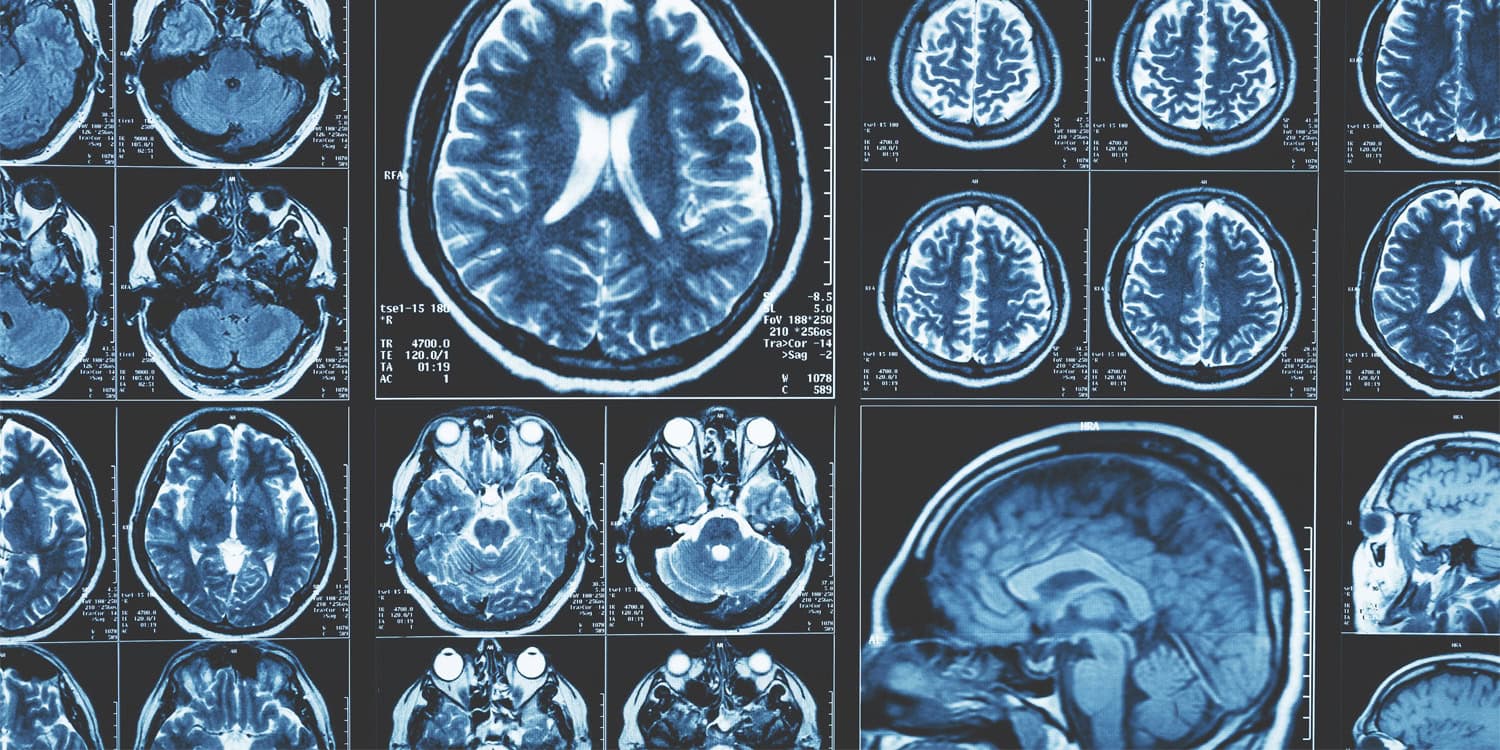
New research suggests that the previously believed biological markers for intelligence quotient (IQ) may actually be a reflection of a child's socioeconomic status, driven by environmental factors like sleep deprivation and stress. A team of scientists from Washington University School of Medicine in St. Louis analyzed data from over 10,000 children in the United States, looking at various lifestyle, environmental, and cognitive variables.
They found that socioeconomic factors, particularly the quality of the child's home neighborhood, had the strongest and most consistent associations with brain function and structure. Factors such as sleep duration, screen time, and neighborhood-level conditions like school quality and access to resources were strongly linked to brain patterns.
Interestingly, the brain patterns associated with socioeconomic status were nearly identical to those related to intelligence quotient (IQ), appearing in the same motor and sensory regions of the brain and closely matching the biological signatures of arousal, sleep deprivation, and stress. When the researchers removed the influence of socioeconomic status from the IQ scores, the strong associations between brain activity and IQ largely disappeared.
This indicates that traditional measures of IQ may not be directly tied to biological brain processes, but rather reflect the socioeconomic background of the child. The study suggests that while socioeconomic factors account for only about 16% of the differences seen in brain scans, they still play a significant role in shaping brain development.
Written by urgent.news from PsyPost's reporting — not their text. Machine-written — may contain errors; check the original before relying on it.