Understanding China and its government through the eyes of a Sinologist
Hunan Normal University's Dr Ole Döring gave The Citizen an assessment of China, its recent history and outward worldview.
In the ongoing global conflict between Western superpowers and the rapidly emerging Chinese superpower, ideology shapes how this great red dragon is perceived. Chinese advocates argue that negative views are due to a lack of understanding, while the West remains skeptical of communist and socialist principles. Over the past few decades, China has undergone a massive transformation driven by a vast interconnected political apparatus.
However, it is the country's history that critics often focus on. Last week, the province of Xinjiang, which became an autonomous region in 1955, hosted a friendship and exchange conference in Urumqi, the capital city. There, officials praised economic progress and social cohesion, while academics highlighted remaining barriers that contribute to China's negative image among those unfamiliar with the country.
Dr. Ole Döring, a German sinologist and professor at Hunan Normal University, visited the conference to discuss perceptions of China. Currently, Döring focuses on bridging the linguistic and perceptual gap between China and his native Germany. The most significant concern for Westerners is the ruling body's name, the Communist Party of China (CPC).
Döring explains that the term "communism" in Chinese is more accurately translated to public welfare, an ancient responsibility of rulers. When the CPC was founded in 1921, Chinese scholars studying European thinkers, including Karl Marx, saw credibility in the concept. The Chinese word "dâng" can be translated to association, not party, reflecting its mission to bring together diverse interests to address public welfare.
Döring acknowledges that the CPC has its shortcomings. He notes that the government feels the need to portray itself as a role model, which makes admitting failure difficult. While criticisms of the government among citizens are tolerated, intellectuals are the primary voice in expressing these concerns. They are educated enough to criticize the government subtly and clearly, a skill that is lost on foreigners who struggle to understand the nuances of Chinese public discourse.
While the CPC is often labeled as authoritarian, Döring argues that a dictatorship-style oppression of such a large population is virtually impossible. Instead, he describes a hierarchical structure of respect that exists within the political system.
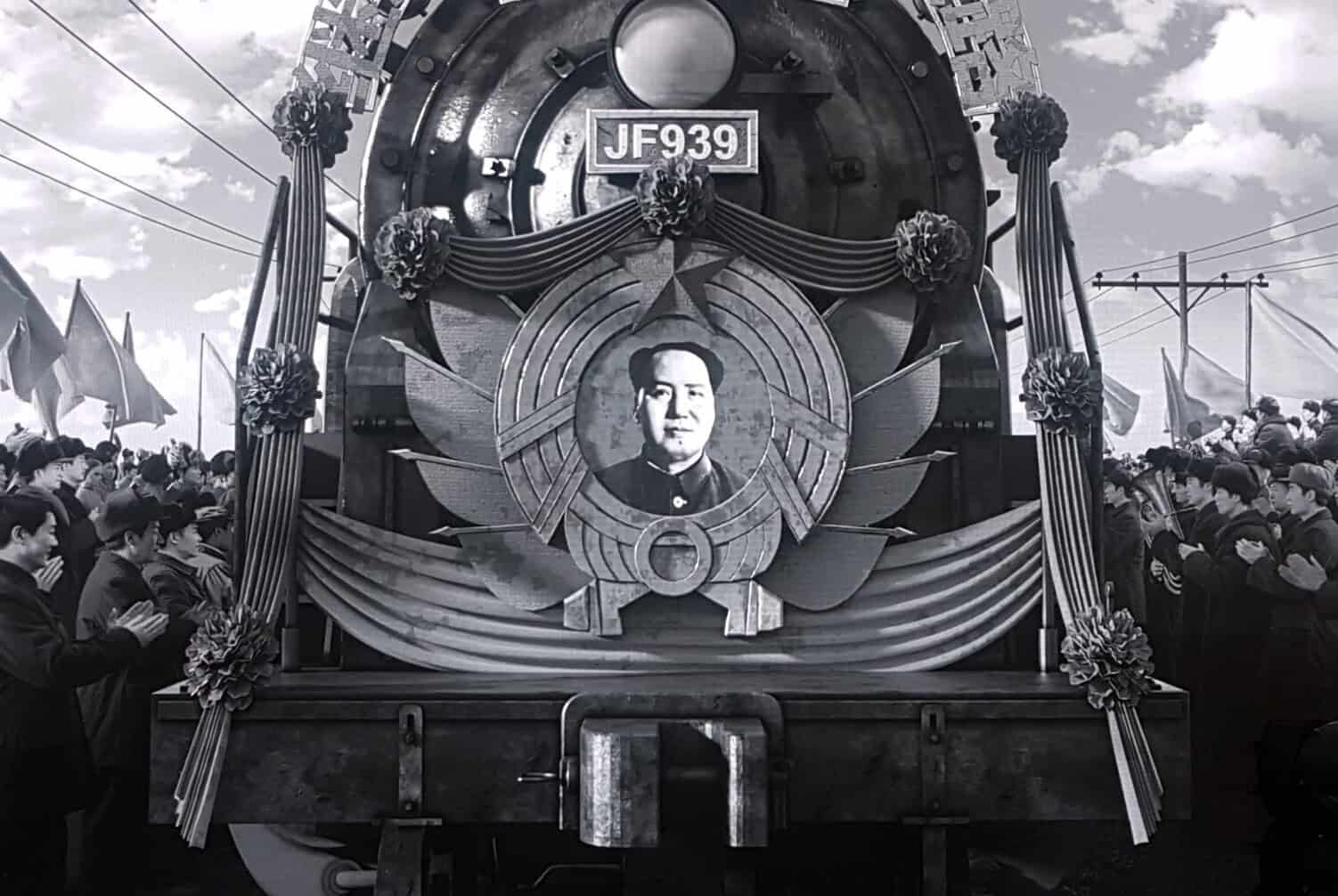
China's history is marked by violence and oppression, particularly the Great Leap Forward under Chairman Mao Zedong, which resulted in the deaths of millions. Döring explains that in the Chinese consciousness, Mao is viewed in two ways. The first is as a unifying figure who provided peace and protection for the country, while the second portrays him as a father figure who sacrificed much for the nation, including losing family members during wars.
Supporters of Mao see him as a cultural hero who led the nation through hardships and developed a unique ideological framework. Despite the injustices and violence during Mao's era, many Chinese view his actions as forgivable misjudgements. Döring believes that the Western assessment of Mao is uninformed and unfair, leading to solidarity with Chinese leaders against the "ignorant and slandering West."
Written by urgent.news from The Citizen's reporting — not their text. Machine-written — may contain errors; check the original before relying on it.