Trump extends H-1B visa fee order as $100,000 charge faces court fight
US President Donald Trump has extended an executive order that would impose a $100,000 fee on H-1B non-immigrant visas for another year, the White House said on Friday, Reuters reported. The policy, first introduced in September 2025, is aimed at reducing US employers’ reliance on lower-paid foreign workers. However, its enforcement remains uncertain as the fee is tied up in a legal battle. Get…
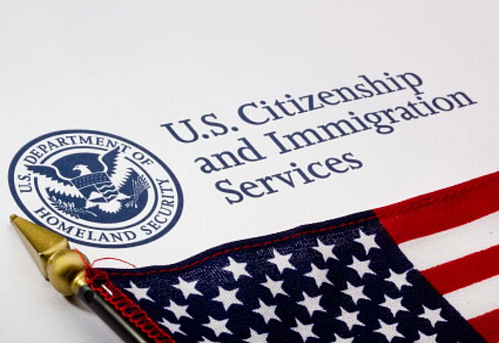
President Donald Trump has extended an executive order imposing a $100,000 fee for H-1B non-immigrant visas by another year, according to a statement from the White House on Friday. This fee applies to US employers looking to hire skilled workers from abroad through the federal H-1B visa program, which permits foreign professionals to work in the United States for several years.
Trump, known for his aggressive stance on immigration, has been critical of the program and has sought to permanently increase the fee, which currently ranges from $2,000 to $5,000. However, this effort has encountered legal obstacles. A Boston appeals court is currently reviewing a June decision by a federal judge who deemed the higher fee imposed by the Trump administration as illegal and halted the government from collecting it.
Another court is deliberating whether a judge correctly dismissed a challenge to the fee presented by the US Chamber of Commerce, the leading US business lobbying organization. The initial order for the fee increase, released in September 2025, was scheduled to expire this month. It did not cover visas granted to foreign citizens already residing in the United States on student visas, which constitute a significant portion of new H-1B recipients, or to renewals of existing visas.
Despite the controversy that some companies exploit these visas to hire lower-paid foreign workers instead of Americans, business groups and companies argue that they facilitate the recruitment of highly skilled professionals and help address a shortage of qualified US workers in certain industries. Established by Congress in 1990, H-1B visas are particularly crucial for tech companies aiming to hire talent from India and China.
Modifications to the scrutiny and processing of potential visa holders have affected companies' hiring and expansion decisions, leading some major H-1B users, such as Google's parent company Alphabet, to relocate some operations to India.
Written by urgent.news from Dawn's reporting — not their text. Machine-written — may contain errors; check the original before relying on it.