Teures Tanken: Kritik an Spritpreis-Entlastungspaket von Bund und Ländern
Der neue Tankrabatt soll Autofahrer kurzfristig entlasten, stößt aber auf Kritik. Verbraucherschützer und Sozialverbände fordern gezieltere Maßnahmen für Haushalte mit geringem Einkommen.
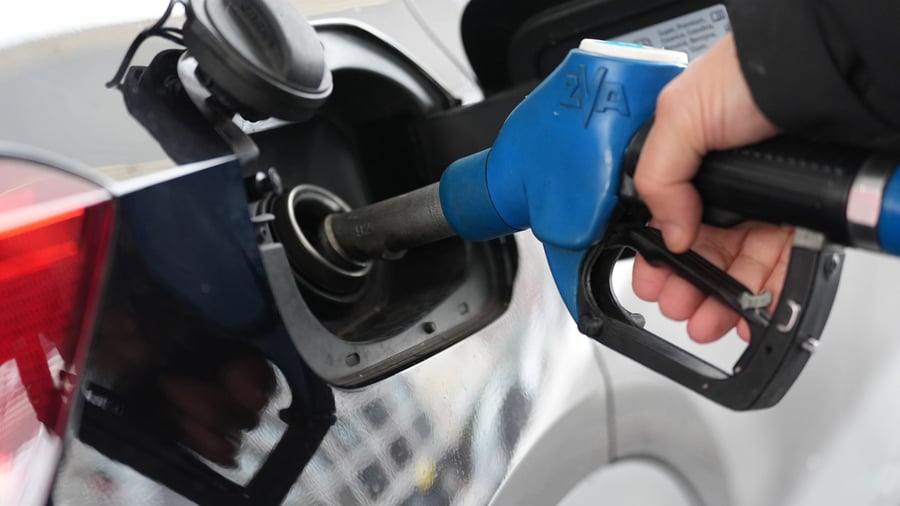
The agreement between the federal government and the states on an exemption package to counteract high fuel prices has faced criticism from consumer protection advocates, social organizations, and opposition in the Bundestag. The revision of the fuel rebate is not precise and only provides temporary relief, just like the intended fuel price cap.
The federal government and states had agreed to provide citizens and businesses with a new fuel rebate starting in October. This involves reducing the energy tax on gasoline and diesel by 14 cents per liter by the end of the year, resulting in a 17-cent per liter relief. The government is spending around 2.5 billion euros for this exemption package, which is set to be implemented by October 1st.
In addition to the fuel rebate, a fuel price cap is planned to be introduced by January 2027, but only as a crisis measure and not permanently. Consumer protection expert Ramona Pop criticized the federal government for once again resorting to a "spray can" approach. She stated that the measure is expensive, short-sighted, and lacks precision.
Social organization SoVD welcomed the federal government's action but stated that blanket solutions like the fuel rebate are not the right solution, as they benefit those who do not need assistance. The Green Party's Vice President Andreas Audretsch called the fuel rebate a "wahnsinn" (crazy), emphasizing that the money should reach people's pockets instead of oil companies' pockets.
Greenpeace expert Marissa Reiserer pointed out that most of the rebate would end up as a profit for oil companies. The government plans to hold regular talks with the oil industry to ensure affordable and secure energy, but many Greens believe the real problem should be addressed by reducing dependence on oil.
Written by urgent.news from Handelsblatt's reporting — not their text. Machine-written — may contain errors; check the original before relying on it.