Tame Sumatran elephant dies in Riau, 13th this year
At least 13 Sumatran elephants have been reported dead in Indonesia since the start of the year, including seven in the wild and five in captivity. The deaths have been attributed to various causes, including poaching, disease, snares and suspected poisoning.
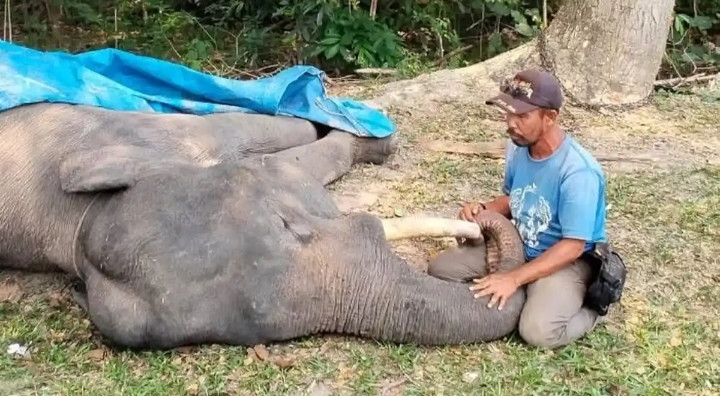
The 13th Sumatran elephant has died in Indonesia this year, including seven in the wild and five in captivity. The latest victim is a tame elephant named Diego at the Minas Elephant Training Center in Riau. The critically endangered species' 17-year-old male died after receiving medical care for nearly a week. Riau Natural Resources Conservation Agency official Ujang Holisudin reported that Diego's condition worsened despite receiving treatment for a parasitic worm infection.
His appetite improved initially after administering deworming medication, antibiotics, and anti-inflammatory drugs. However, Diego's condition deteriorated again on Tuesday, as his mahout noticed he stopped eating and was suffering from frequent, watery diarrhea.
Written by urgent.news from The Jakarta Post's reporting — not their text. Machine-written — may contain errors; check the original before relying on it.