Supreme Court questions alcohol prohibition law, points to 5 'evils'
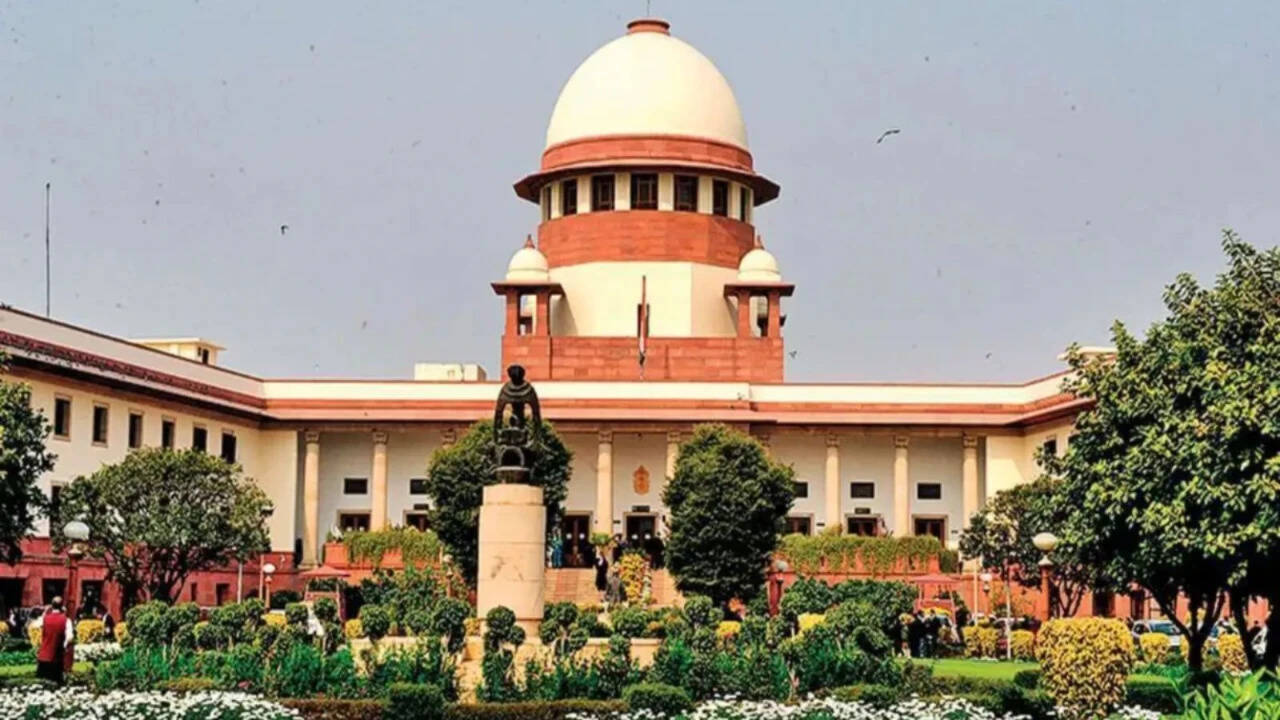
The Supreme Court has agreed to examine whether failing to sing the National Song, Vande Mataram, could potentially be made a punishable offense. However, the court has declined to rule on the specific number of stanzas that should be included. A three-judge bench, led by Chief Justice Surya Kant, stated that the law allowing no punishment for not singing the anthem remains valid, as established in the Bijoe Emanuel case.
The court requested the central government to submit its response to a public interest litigation (PIL) filed by Carnatic vocalist T M Krishna, who challenges the law requiring the singing of all six stanzas. Krishna argued that the latter four stanzas promote devotion to Hindu deities, and that making their singing mandatory would violate the country's secular character.
The petition also claims that the amendment extending Vande Mataram to six stanzas and the provision of punishment for not singing it are arbitrary and violate personal liberties, as well as promote a "majoritarian religious message." Solicitor General Tushar Mehta defended the government's position, suggesting that those questioning the National Song lack allegiance to the Constitution and the rule of law.
Written by urgent.news from Times of India's reporting — not their text. Machine-written — may contain errors; check the original before relying on it.
This story
This is one outlet's version. Read the fullest account.
- Shakira returns to Spain for spectacular Madrid residency as €55 million tax dispute reaches Supreme Court euroweeklynews.com
- Is not singing Vande Mataram punishable offence? Supreme Court to examine timesofindia.indiatimes.com