Stakeholders call for coordinated response to adolescent health challenges
Stakeholders in adolescent sexual and reproductive health have called for stronger coordination among government institutions, civil society organisations, communities and young people to address persistent adolescent health challenges.
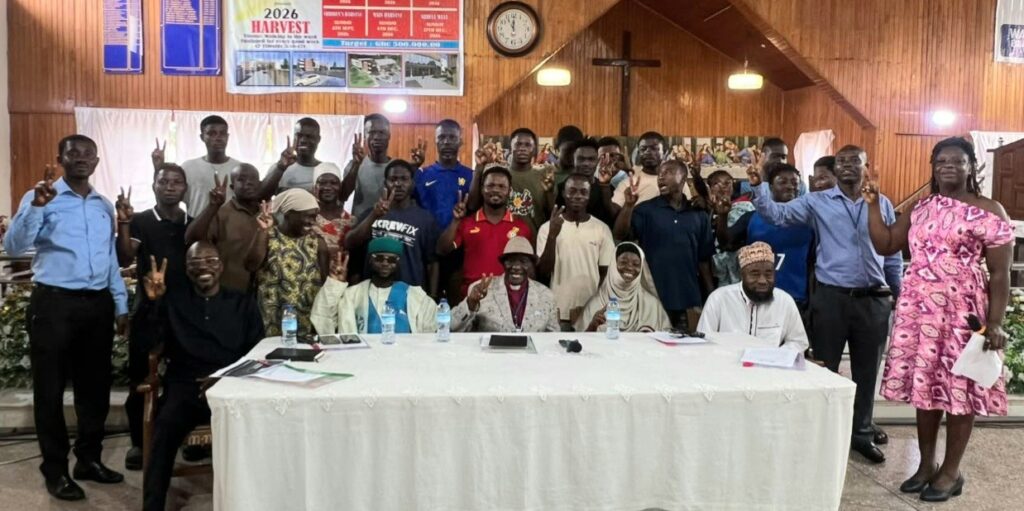
Stakeholders in Ghana have emphasized the need for a more coordinated approach to tackle adolescent health challenges, including adolescent pregnancies, HIV infections, gender-based violence, and access to sexual and reproductive health services. Angelina Osei Kodua-Nyanor, the Acting Executive Director of the National Population Council, highlighted that adolescent sexual and reproductive health has become a critical national development issue due to Ghana's growing youth population.
Data from the Ghana Health Service (GHS) revealed 53,415 adolescent pregnancies between January and July 2026, including 1,501 among girls aged 10 to 14. The 2022 Ghana Demographic and Health Survey showed that 15.2% of girls aged 15 to 19 have experienced pregnancy, with an adolescent birth rate of 63 births per 1,000 women in the same age group.
Ms Mohammed, the Programme Manager for Adolescent Health and Development at GHS, stressed that addressing this issue requires more than a focus on girls, as adolescent boys who impregnate girls can also drop out of school to support their partners and children. She called for special attention to adolescents aged 10 to 14, as pregnancies involving children raise health, education, and child-protection concerns.
The GHS's Adolescent Health Safety Net, launched in 2017, offers adolescent-responsive maternal and child health services, sexual and reproductive health education, psychosocial support, referrals, and links to social protection. However, challenges remain, such as varying approaches to adolescent sexual and reproductive health education and services, stigma at health facilities, and social norms discouraging young people from seeking care.
Solutions proposed include harmonizing the positions of the GHS and the Ghana Education Service, enhancing adolescent-friendly services and communication tailored to different groups of young people, and leveraging digital platforms for confidential counselling and information.
Written by urgent.news from MyJoyOnline Ghana's reporting — not their text. Machine-written — may contain errors; check the original before relying on it.