Spain’s new weapon against drink spiking: an ice cube that traps the drug as evidence
A drink turning bright blue and rock solid could soon save someone’s night. A Madrid startup has built an ice […]
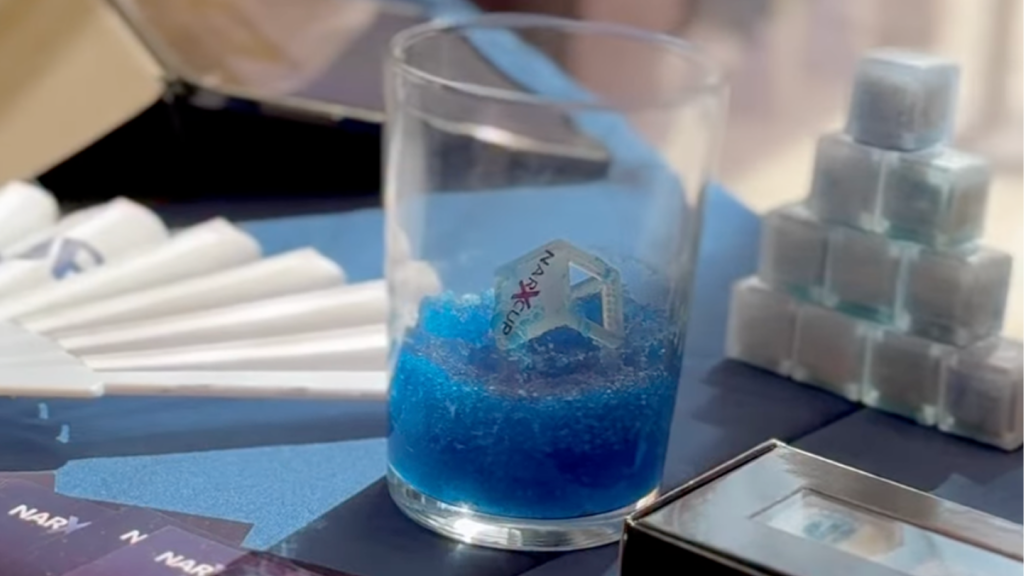
A Madrid-based startup has developed an ice cube that can detect if someone's drink has been spiked with a drug, marking a potential new tool in the fight against drink spiking in Spain. The NarXcup, created by the startup NarXcup, looks like an ordinary ice cube but contains a special membrane that reacts when it comes into contact with certain drugs.
When a drug is present, the drink changes color to a bright blue, develops a bitter taste, and turns into a solid block within seconds, alerting the drinker before they take another sip. The current version of the ice cube detects scopolamine, also known as 'burundanga', a drug commonly used in drink spiking cases in Spain. NarXcup was founded in 2025, with research into the technology starting back in 2022.
The team consists of pharmacists, biomedical scientists, doctors, and engineers, driven by the personal experience of one of its co-founders, who had a close relative who was a victim of chemical submission - being drugged without their knowledge to facilitate robbery or sexual assault. The company completed a pilot phase in summer 2026, testing the cubes in real nightlife settings across Madrid and other regions.
The cubes are designed to be reusable and are expected to be sold in packs of three for around €8 to €10 once they reach pharmacy shelves in 2027. The NarXcup also has plans for other products, including a smart cup with the detection technology built into a false bottom for festivals and events, and a version with a Bluetooth microchip that sends an alert directly to the drinker's phone.
The goal is to provide an early warning and a way to hold accountable those responsible for drink spiking incidents. Although the NarXcup is not yet available in Spanish pharmacies, its development offers hope for reducing the prevalence of drink spiking, a problem that has affected tens of thousands of people in the UK alone, according to Drinkaware's Spiking Monitor.
Written by urgent.news from Euro Weekly News's reporting — not their text. Machine-written — may contain errors; check the original before relying on it.