September slump: Why SA’s elite sprinters keep falling short when it matters most
South Africa’s elite track stars regularly post world-leading times early in the year, but suffer a systematic late-season burnout at August and September global championships.
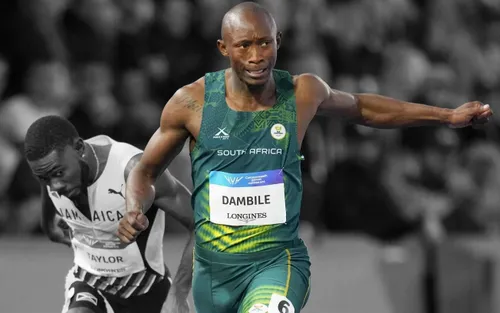
The inaugural World Athletics Ultimate Championship concluded in Budapest, leaving South African athletics questioning why their elite sprinters underperform in late-season major championships. Out of six of Team SA's best athletes at the event, only three reached the finals. Commonwealth Games champion Sinesipho Dambile placed fourth in the men's 200m final, while Gift Leotlela finished sixth in the men's 100m final and Akani Simbine placed eighth in the 100m final.
However, 400m star Zakithi Nene, 800m contender Prudence Sekgodiso, and hurdler Marione Fourie all exited in their opening semi-finals.
This pattern mirrors previous major championships, such as the Glasgow Commonwealth Games and the 2022 and 2023 World Championships, where Team SA returned home without any track and field medals. The decline in individual track medals at major championships since the golden era of 2017 has sparked a fierce debate among South Africa's coaching elite. While some attribute the blame to the South African athletics calendar, the root cause may be a global circuit that has shifted under South Africa's feet.
World Athletics and commercial promoters have expanded the global season, pushing marquee events deeper into the northern hemisphere autumn. This has widened the gap between domestic trials in April and global finals in late September. For Victor Vaz, coach of 400m powerhouse Nene, this time gap creates an impossible structural trap for local athletes. Nene's performance declined from a personal best of 43.89 seconds in Paris to a sixth-place finish at the Diamond League Final and a semi-final exit in Budapest.
Former national coach Rita Engelbrecht argues that the issue lies in ASA's rigid selection policies, forcing athletes to win or perform at national championships in April to be eligible for international selection four months later. She advocates for a rolling ranking squad system, allowing top athletes to fulfill domestic obligations without burning out. Both coaches agree that South Africa's top sprinters are trapped in a financial vice, as many rely on European appearance fees and prize money to fund their careers.
Written by urgent.news from IOL's reporting — not their text. Machine-written — may contain errors; check the original before relying on it.