Recycling industry needs to prepare for influx of EV waste, experts say
As electric vehicle use rapidly grows in Australia, experts say the country's battery recycling industry must prepare for the looming influx of waste.
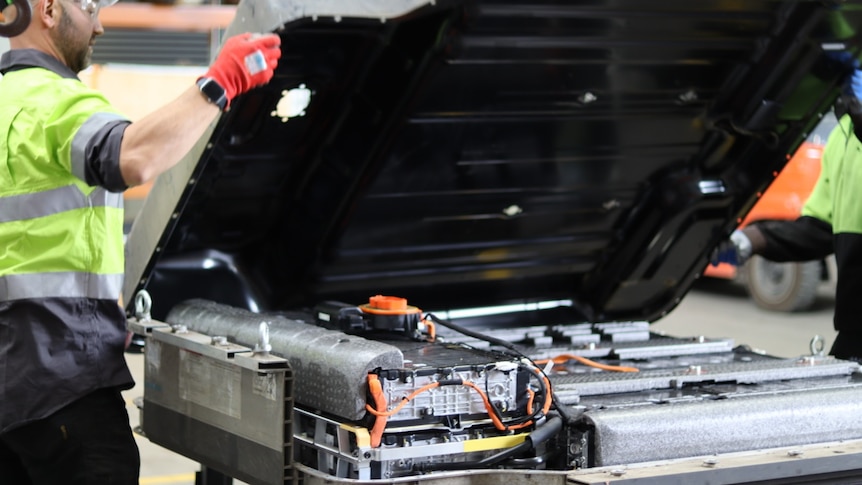
Australia's battery recycling industry must prepare for an influx of waste from old electric vehicle (EV) fleets, as sales of BEVs surged to a record high in August. The Federal Chamber of Automotive Industries reported that 27,089 battery electric vehicles were sold nationally in a single month, representing 24.9 percent of the entire new vehicle market.
Marlene Caudillo, an EV owner, believes the environmental impact heavily influenced her decision to switch from a petrol car to an EV. However, many EV owners are unaware that their batteries can be re-purposed and recycled. Modern EVs use complex battery types, such as lithium-iron phosphate (LFP) and nickel-manganese-cobalt (NMC), which are more difficult to recycle than traditional lead-acid batteries.
While some recycling programs exist, like RACQ's free state-wide initiative, they currently do not accept EV batteries. Envirostream, a Melbourne-based recycler, specializes in recycling end-of-life lithium-ion batteries, but emphasizes the need for careful handling due to their high energy density and potential for fires. Experts agree that Australia needs to develop a stronger EV battery management sector to handle the growing demand, focusing on training and skills development to ensure the country can recycle these batteries sustainably and safely.
Written by urgent.news from ABC News AU's reporting — not their text. Machine-written — may contain errors; check the original before relying on it.