Puberty, pregnancy, and menopause are accompanied by distinct patterns of brain plasticity
A new brain imaging study indicates that puberty and pregnancy are associated with widespread gray matter reductions in the female brain. In contrast, the menopausal transition coincides with a surprising pause in typical age-related brain changes.
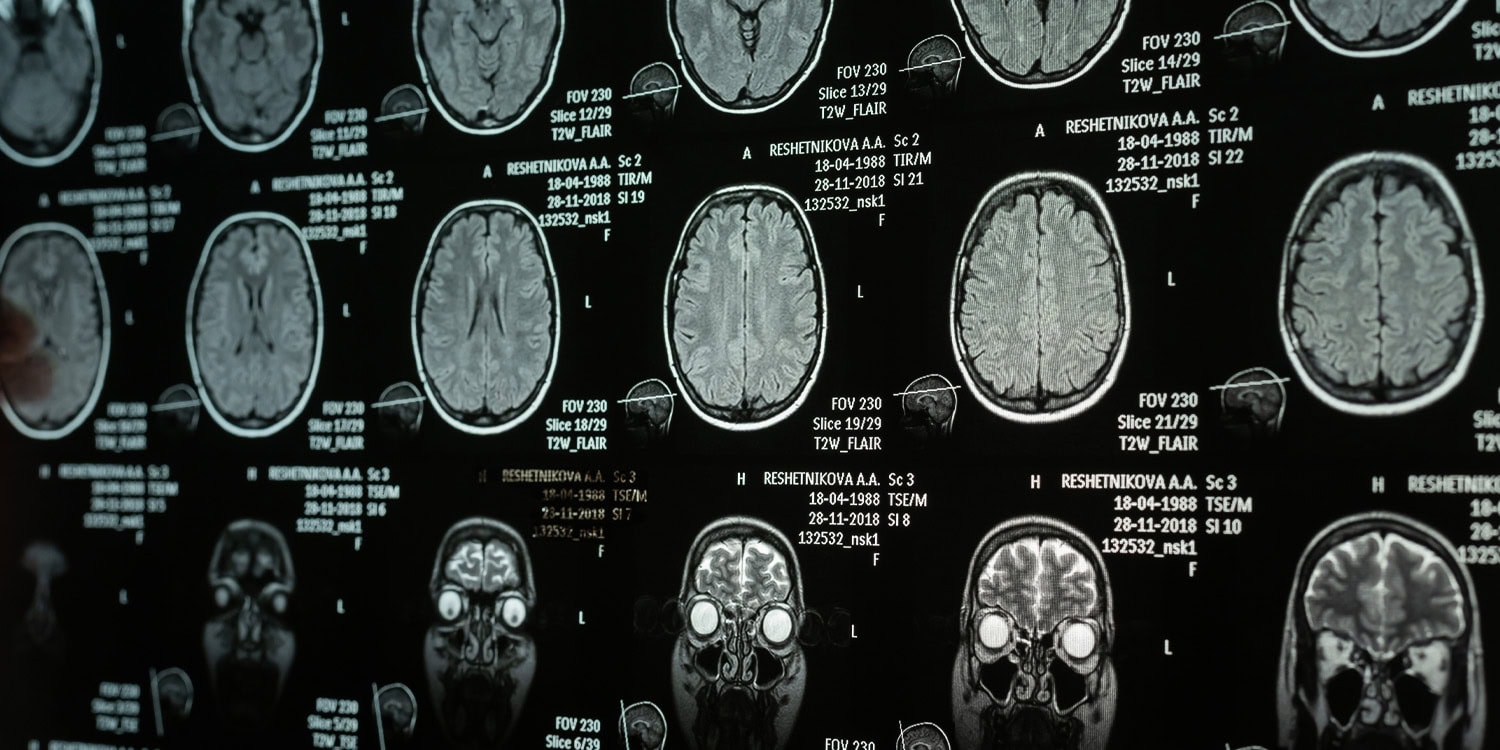
A new study published in Nature Communications reveals that puberty, pregnancy, and menopause each trigger unique patterns of brain plasticity in women. Researchers found that puberty and pregnancy are associated with similar widespread structural changes in the female brain, primarily marked by reductions in gray matter, which is responsible for high-level functions such as memory, emotion, and perception.
In contrast, the menopausal transition presents a distinct pattern characterized by a pause in typical age-related brain changes rather than an acceleration. The findings, led by Sophie R. van 't Hof of the Pregnancy Brain Lab at Amsterdam University Medical Center, analyzed MRI data from 1,095 participants across three separate cohorts, highlighting shared and distinct patterns of brain plasticity associated with these major hormonal transitions.
Brief written by urgent.news from PsyPost's own syndicated text. Machine-written — may contain errors; check the original before relying on it.