Piranhas in Malaysia? 7 facts about this much-feared fish
A suspected piranha caught at Klau Dam has stirred plenty of speculation, but the real story of these sharp-toothed fish is rather less terrifying than films suggest.
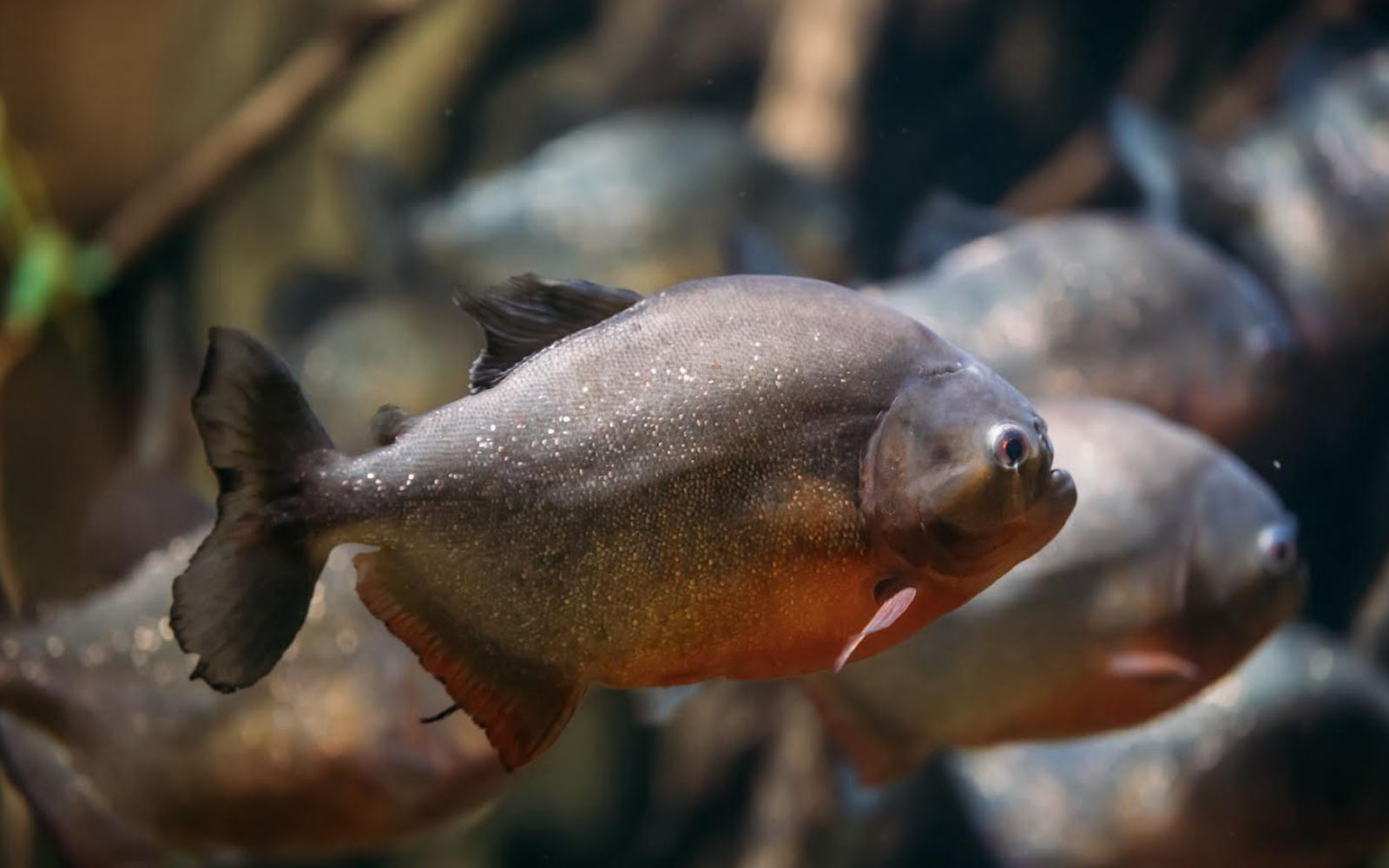
A suspected piranha caught at Klau Dam in Malaysia has drawn considerable attention, despite authorities stating there is no evidence of a thriving population. Piranhas, known for their sharp teeth and fearsome reputation, are native to South American river systems, particularly those connected to the Amazon basin. Consequently, any piranha found in Malaysian waters would be considered an introduced species, not part of the natural ecosystem.
The fisheries department cautions against releasing non-native fish into rivers, lakes, and reservoirs, as they can cause ecological problems if they survive and reproduce.
While piranhas do possess sharp teeth and some species consume flesh, their diet extends beyond that, including small fish, insects, aquatic invertebrates, and even plant material. Their reputation often overshadows the actual threat they pose to humans. Scientific reviews indicate that piranhas are far less likely to attack people than films suggest, with most documented injuries involving a single bite, often to bathers or swimmers.
Some "man-eating" cases involved individuals who had already died from other causes before the fish began scavenging.
Piranhas have formidable teeth designed for slicing and shearing, contributing to their notoriety. However, this anatomical feature does not mean they constantly hunt large animals or people. Hollywood has played a significant role in shaping their bad reputation through numerous films depicting them as ravenous killers. The real concern in Malaysia may be ecological, as the introduced piranha could compete with native species, prey on them, alter food webs, and potentially impact biodiversity if they become established.
Written by urgent.news from Free Malaysia Today's reporting — not their text. Machine-written — may contain errors; check the original before relying on it.
This story
This is one outlet's version. Read the fullest account.
- Piranhas in Malaysia? 7 facts about this much-feared fish freemalaysiatoday.com