‘Parents may think twice about schools without smart classes’: BenQ’s Rajeev Singh
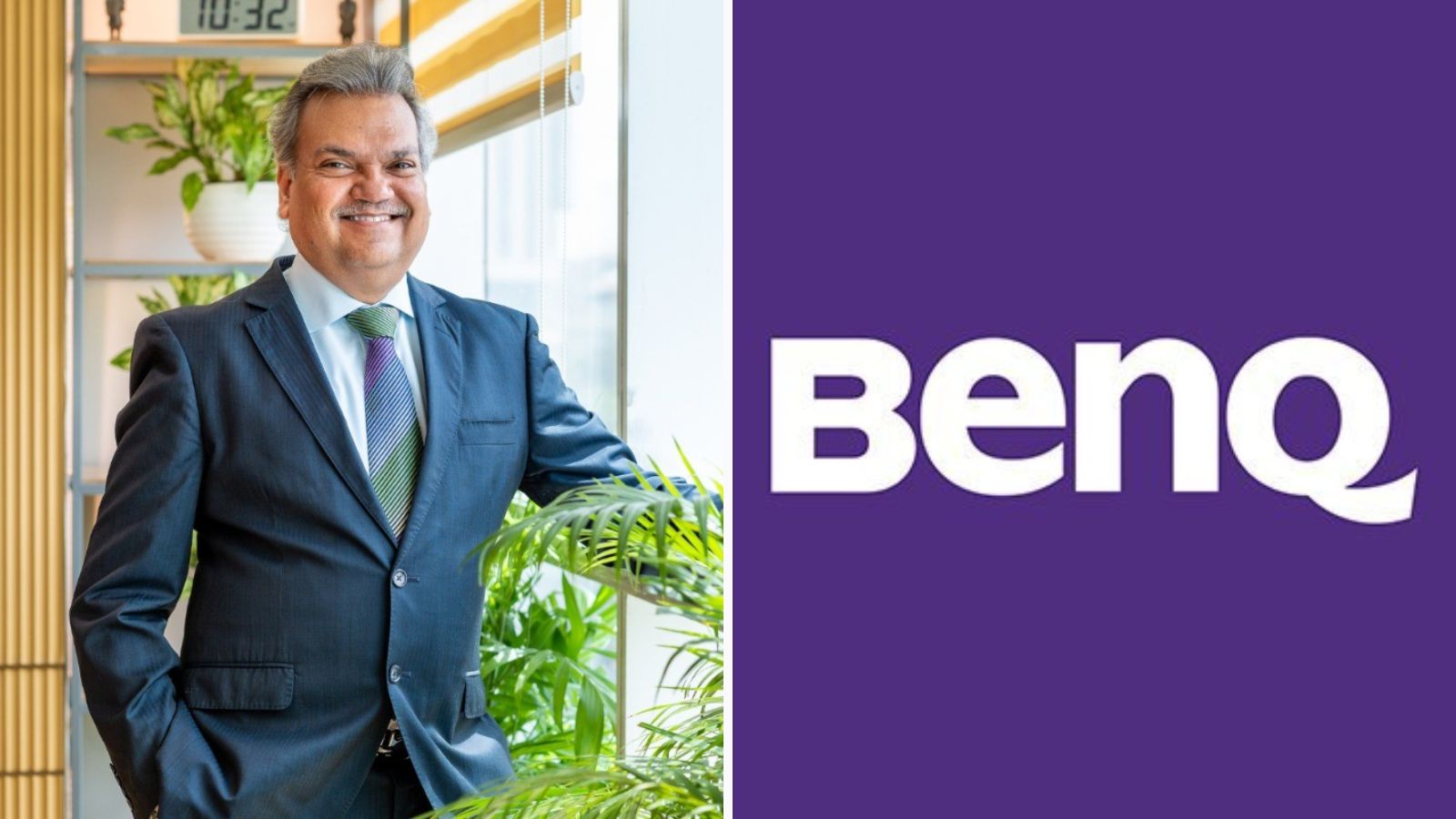
A decade ago, Indian classrooms were defined by chalkboards, chalk, and perhaps a teacher's laptop. This was when Taiwanese display company BenQ entered the Indian market. Today, the company claims that education represents nearly 30% of its India business, with over 60% of the country's installed smart classroom base under its control. Rajeev Singh, BenQ India and South Asia's managing director, shared these statistics in an interview with indianexpress.com.
Singh emphasized that if a school lacks a smart class, parents might reconsider enrolling their child there. He highlighted BenQ's role as an education technology specialist, noting that the company has made significant strides in adapting to India's unique conditions. Early challenges included hardware optimization for dusty, non-air-conditioned classrooms with erratic electricity supply.
BenQ's solution involved creating India-specific models capable of withstanding temperatures up to 50 degrees Celsius, featuring dust-proof components, and electronics designed to handle voltage surges.
In addition to hardware, BenQ partnered with software and content providers like Educomp, Extramarks, and NIIT to create comprehensive "smart classes" that included projectors or interactive boards, speakers, and digital content delivered as a single package. This unique business model, where content and devices were sold together, was first adopted in private schools before government schools followed suit.
Currently, around seven lakh Indian classrooms have a projector or interactive flat panel, with more than four lakh supplied by BenQ, contributing to a turnover of approximately Rs 695 crore last year. Singh expects the company to surpass Rs 1,000 crore in revenue this year.
While India boasts over a million government schools, only around four lakh have been converted into smart classes, representing less than 5% adoption. BenQ has worked with state governments including Uttar Pradesh, Maharashtra, and Punjab, with Delhi being the first target. Singh reported that teacher training varies, with younger teachers more adaptable than those accustomed to traditional methods.
The company provides physical and virtual training for private customers and district-level sessions for government projects.
Singh acknowledged BenQ's premium pricing but emphasized a three-year on-site service commitment, including installation and initial training, regardless of location. This service provides customers with peace of mind. Regarding AI, BenQ is transitioning to edge AI technology, a significant improvement over previous cloud-based systems that suffered from delays and required constant internet access.
Looking ahead, Singh foresees classroom panels integrating with students' personal tablets, enabling real-time scoring and AI-driven identification of weak topics for individual attention. He also highlighted the Active Floor technology, which turns the floor into an interactive surface, reducing eye strain associated with prolonged screen time.
Written by urgent.news from The Indian Express's reporting — not their text. Machine-written — may contain errors; check the original before relying on it.