Mumbai links slum rehabilitation to climate-resilience plans
Mumbai is also home to some of the largest and most densely populated informal settlements, with an estimated 6.5 million residents - 57% of the city's total population - said to be living in inadequate conditions.
The governing body of Mumbai, the Brihanmumbai Municipal Corporation (BMC), is dedicating significant resources to tackling the city's pressing issue of slum populations. Home to an estimated 6.5 million residents, or 57% of Mumbai's total population, these slums present considerable challenges for the city. Despite being among India's best-funded municipal corporations, the BMC faces substantial hurdles in eradicating slums due to rapid urbanization and complex socio-economic factors.
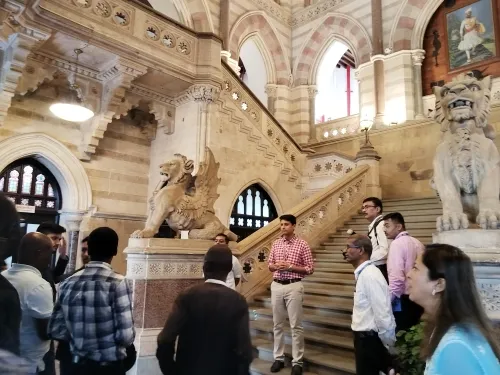
In a recent presentation to the BRICS media delegation, BMC officials unveiled their innovative strategies for addressing these challenges. At the heart of their efforts is the Mumbai Climate Action Plan (MCAP), a comprehensive initiative launched in 2022 aimed at making Mumbai a climate-resilient and net-zero city by 2050. Key to this plan are projects such as the construction of a 21-kilometre water conveyance tunnel and the relocation of four major water lines to support a 2,200-home slum rehabilitation project.
These measures are integral to both improving the water supply system and enhancing the city's resilience to natural disasters. The BMC's strategy also encompasses upgrading road infrastructure, introducing eco-friendly transport options, and upgrading heritage sites. The corporation's ambitious plan includes a 30-year roadmap to achieve net-zero and climate-resilient status by 2050, with a focus on rehabilitation of slum areas in Mumbai's seven islands.
Written by urgent.news from IOL's reporting — not their text. Machine-written — may contain errors; check the original before relying on it.