More than 112,000 displaced in Yemen as Houthis seize more ground
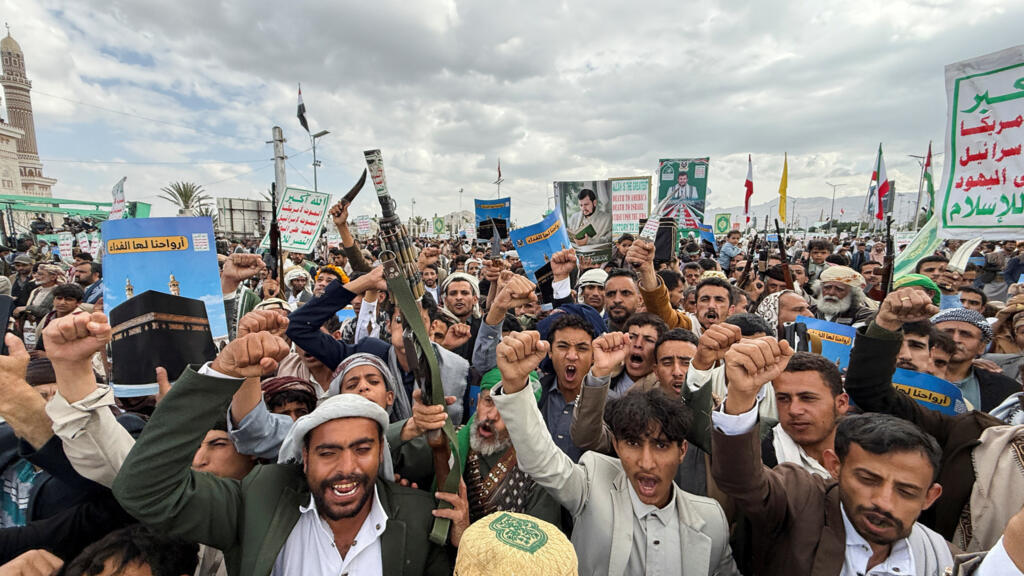
Pro-Houthi demonstrations erupted in Yemen after Saudi Arabia accused the military group of targeting the Muslim holy site of Mecca. Story by Elitsa Gadeva.
The Mecca Joint Defence Agreement (MJDA), signed on August 7, 2021, between Saudi Arabia, Türkiye, and Pakistan, aims to create a trilateral framework for collective deterrence. The pact is based on Article 51 of the UN Charter, which allows states to engage in individual and collective self-defence. However, the Mecca Pact has failed to shield Saudi Arabia from the ongoing Houthi attacks, despite being labeled as an "Islamic NATO" by some sources.
The primary reason for its shortcomings is the lack of a formal organizational structure and legally binding defense terms. Additionally, Türkiye and Pakistan need to secure parliamentary approval, while Saudi Arabia requires a royal decree to ratify the agreement. The pact's implementation challenges, coupled with differing strategic interests among the three nations, have hindered its effectiveness.
Although the EU has shown diplomatic solidarity against the recent Houthi strikes, it is unlikely to provide direct military assistance to Saudi Arabia due to human rights concerns.
Written by urgent.news from The Indian Express's reporting — not their text. Machine-written — may contain errors; check the original before relying on it.
This story
This is one outlet's version. Read the fullest account.
- Pakistan calls on Yemen's Houthis to halt ‘provocative acts’ in Red Sea dawn.com
- Houthis in Yemen are putting Mecca Pact to the test indianexpress.com
- Yemen governmnet accuses Houthis of attacks on humanitarian facilities middleeasteye.net
- Pakistan urges Houthis to stop attacks on merchant ships dailytimes.com.pk
- Houthis eye Yemen’s oil-rich east after seizing Red Sea coast timesofisrael.com