Mark Cuban spent $125,000 on a lifetime American Airlines pass after a drunk dial — here's why the math worked
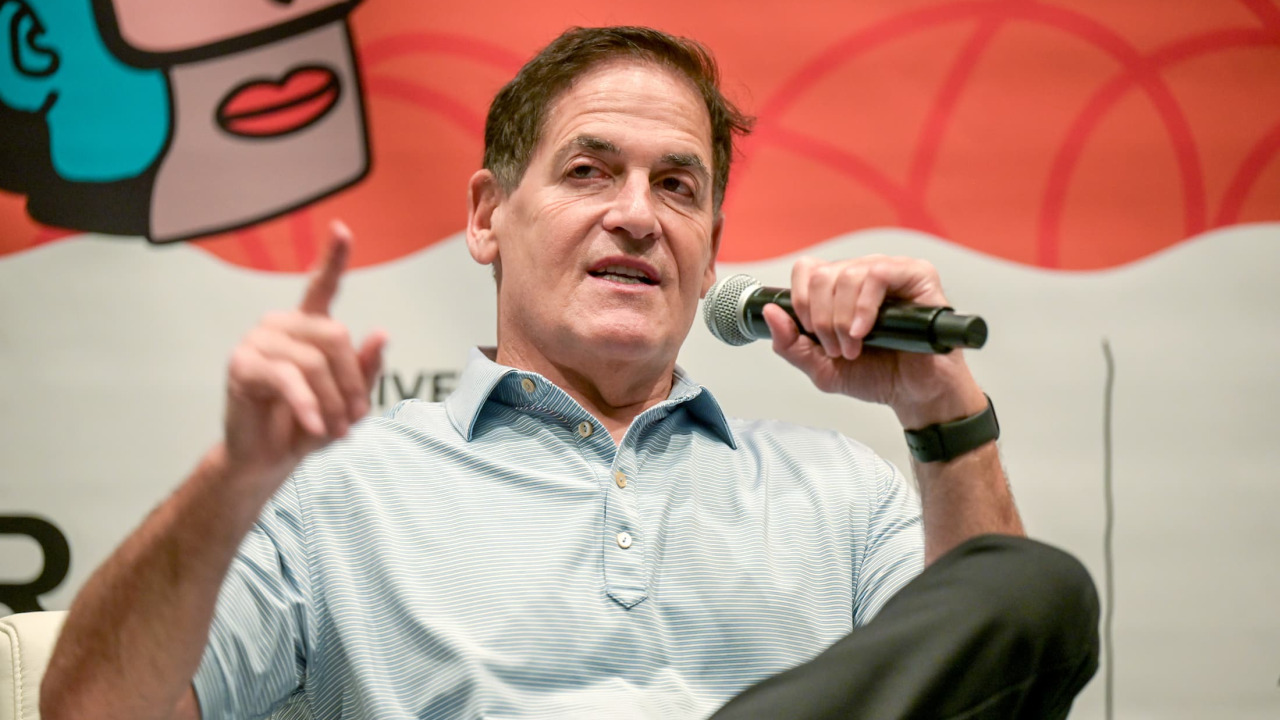
Mark Cuban, the entrepreneur and investor, once made a drunken call to American Airlines in 1990 after selling his first startup, MicroSolutions, for $6 million. The call led him to purchase a lifetime American Airlines pass, which cost him $125,000 and granted him first-class access to any flight the airline offered for the rest of his life. However, this pass was discontinued in 2024, but it won't affect Cuban since he had already made his purchase back in 1999.
Cuban's decision to buy the pass might seem like an impulsive and extravagant choice, but there were several reasons why it made sense for him. Firstly, he wasn't buying a depreciating asset like a sports car, which loses value as soon as it's driven off the lot. Secondly, he didn't have to worry about maintenance fees, property taxes, or insurance, which are often associated with other big-ticket purchases.
Additionally, he was hedging against future travel inflation, as the pass would still be worth approximately $300,000 today when adjusted for inflation.
Cuban's financial situation at the time of the purchase was also favorable. While he made $6 million from the sale of MicroSolutions, he only took home about $2 million after taxes. This means he had around $100,000 left for splurging, which was less than 5% of his total sale. Following the 5% rule of thumb would have been a wise strategy, as it would have allocated a portion of his windfall for guilt-free spending while still prioritizing long-term financial goals.
In today's world, many people might receive a financial windfall through unexpected sources such as a large bonus, inheritance, life insurance payout, or the sale of a business. If faced with such a situation, it's essential to consider the potential consequences and make informed decisions about how to manage the money. One common rule of thumb is to set aside 5% of the windfall for guilt-free spending, allowing the rest to be allocated towards paying down high-interest debt, boosting an emergency fund, and investing for long-term goals.
Interestingly, a survey conducted by Empower in June 2026 revealed that almost one in three Americans (31%) who received or expected a windfall would go shopping, while 12% would make a major purchase like a car or home renovations. However, waiting at least six months before making any major purchases can help avoid hasty decisions and ensure that the windfall is managed effectively.
In Cuban's case, his decision to purchase the lifetime American Airlines pass turned out to be a strategic move, as he used the pass for business travel and avoided the drawbacks of depreciating assets. However, it's crucial to remember that everyone's financial situation is unique, and it's always a good idea to consult with a qualified financial advisor or estate planning attorney to make the best decisions for your specific circumstances.
Written by urgent.news from Yahoo Finance's reporting — not their text. Machine-written — may contain errors; check the original before relying on it.